
Original briefings. Zero spin.
Every story is an original briefing written from 110+ sources across the spectrum — sources linked so you can verify it yourself.
 tech
Notable (6/10)
September 6, 2026 at 09:27 AM
tech
Notable (6/10)
September 6, 2026 at 09:27 AM
Australia's Social Media Duty of Care Bill Draws Fire From Both the Coalition and the Greens Before It's Even Tabled
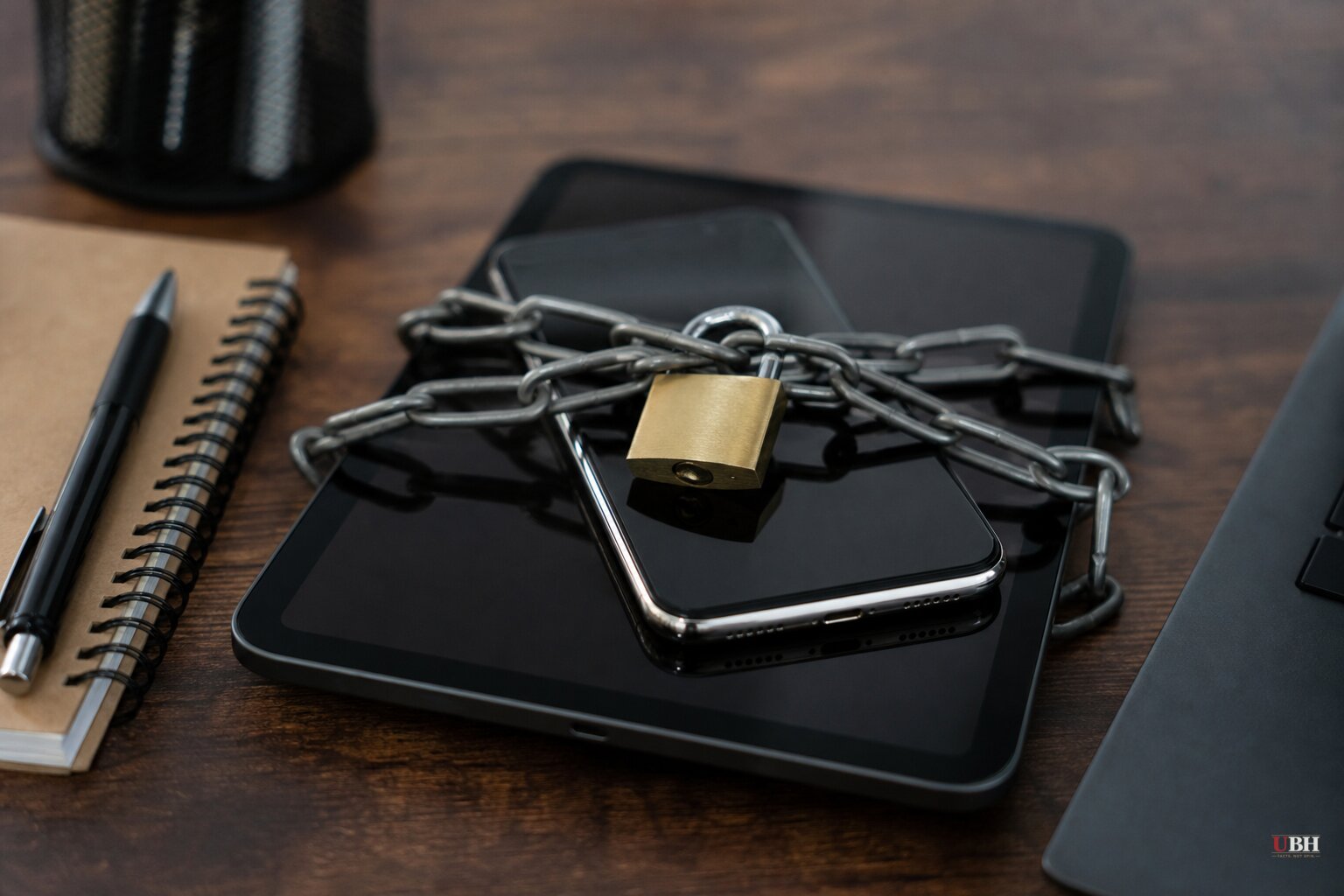
Since Australia's ban on under-16s using social media took effect, official figures cited by Coalition MP Angus Taylor show only a 4.4% reduction in teen access, a number he calls "immaterial in the scheme of things." That's the backdrop as Communications Minister Anika Wells prepares to release an exposure draft of a new digital duty of care law as parliament returns this week, according to The Guardian.
The bill would force social media platforms to let users switch off the algorithms that curate their feeds, giving people the option to go back to seeing only content from accounts they actually follow. Platforms would also face new obligations to identify and remove illegal or harmful content, with fines up to $100 million for breaches, The Guardian and MSNBC both reported, drawing on the same underlying reporting out of Canberra.
Labor's pitch is straightforward: stop feeding kids content that normalizes violence, misogyny, and unhealthy body image. Labor MP Matt Thistlethwaite told News24's Sunday Agenda program that "many Australian parents have said that they're concerned about their children being exposed to this material" and that platforms "have a responsibility to try and keep young Australian kids safe," according to reporting carried by the Newcastle Herald, Port News, and sheppnews.com.au, all drawing on the same AAP wire account.
The Coalition's Case
Taylor isn't buying it. He told News24 he's "deeply sceptical" the bill is really about safety at all. "I fear that this is just going to be an attempt by the government to censor social media," he said, adding that Communications Minister Wells would get "enormous" discretion under the new powers.
Handing a single minister broad, ill-defined authority to police what counts as "problematic" content on privately owned platforms raises free-speech concerns. Outgoing Liberal Senator Jonno Duniam compared the plan to the government's scrapped anti-misinformation bill from Labor's first term, telling ABC TV the Coalition would only back it if it "doesn't necessarily impede on people's rights and freedoms," and pointed to Australia's existing broadcast and film classification system as a workable baseline instead of new internet-specific powers.
One Nation leader Pauline Hanson has also come out against the plan, according to MSNBC's reporting, though the specifics of her objection weren't detailed.
The Left Flank Says It's Too Weak
The more surprising resistance is coming from Labor's own side of the aisle. Greens Senator Sarah Hanson-Young dismissed the $100 million fine cap as "bugger all" for companies the size of Meta or TikTok's parent ByteDance, according to wellingtontimes.com.au and the Newcastle Herald, both citing AAP. She wants penalties tied to a company's global profits instead of a flat cap, arguing "the power of big tech is so immense and you can't take them on and hit them at their business model with half-baked measures."
Chanel Contos, founder of the Fix Our Feeds campaign under Teach Us Consent, told the National Press Club that an opt-out model is a good first step but doesn't go far enough. She wants algorithm-curated feeds to be opt-in only, arguing it would "bring the principle of affirmative consent to our screens" for teenagers moving onto these platforms.
An opt-out system assumes users will actively find and flip a setting. Behavioral research on default effects generally shows most people never change a pre-set default, whatever it is. If Labor's goal is actually reducing harmful content exposure among minors, an opt-out button that most users never touch does less than an opt-in model, whatever the political cost of forcing platforms to build one.
What's Actually Unresolved
The exposure draft hadn't been formally released as of this weekend, and its exact legal language, including how "harmful" or "illegal" content gets defined and who makes that call, will determine whether Taylor's censorship warning or Wells' safety framing is closer to the mark. The Greens haven't committed to a vote either way, saying they're waiting to see the actual text before deciding.
With the Coalition skeptical, the Greens demanding tougher penalties, and Pauline Hanson opposed outright, Labor doesn't have an obvious path to pass this through the Senate in its current form. Prime Minister Anthony Albanese is expected to promote the plan at the United Nations General Assembly in New York later this month, according to The Guardian, before the bill has even cleared its own parliament.
Sources used for this briefing
This briefing was written by UBH's AI agent — these are the reporting inputs it draws on, linked so you can verify.


