
Unbiased headlines. Facts, not spin.
Every story is an unbiased news briefing written from 110+ sources across the spectrum — sources linked so you can verify it yourself.
 tech
Notable (5/10)
June 28, 2026 at 08:43 AM
tech
Notable (5/10)
June 28, 2026 at 08:43 AM
Apple, Xbox, and Nintendo Are All Raising Prices. RAM Costs Are the Reason, and AOC Wants a Breakup.
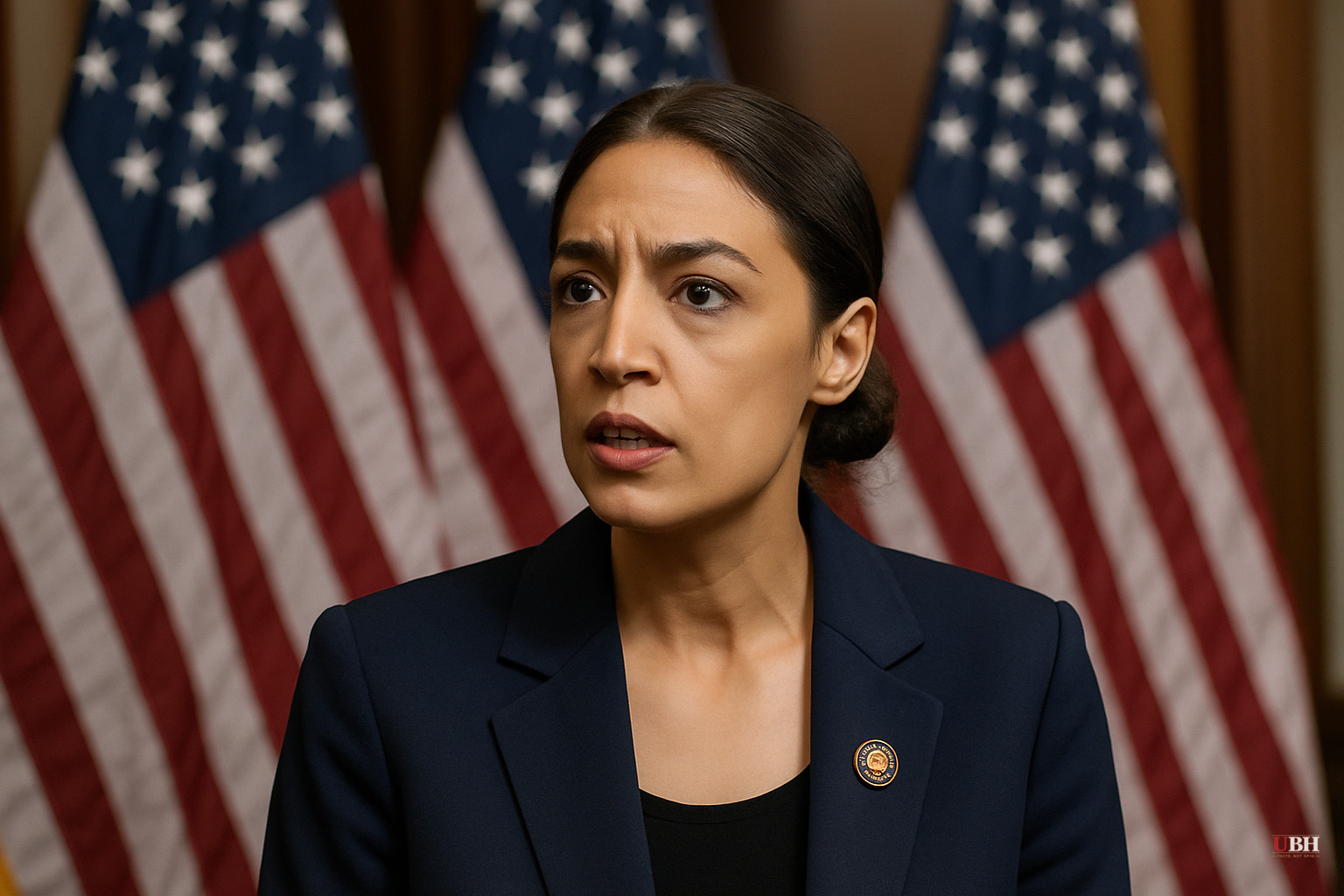
Since Unbiased Headlines first covered Apple lobbying the Trump administration to source RAM from a Pentagon-blacklisted Chinese supplier, the memory chip crisis has moved from a supply-chain story to a consumer price story — fast.
The Price Hikes, Itemized
Apple has raised prices on its tablets and laptops by nearly 20%, according to BBC News. The announcement cited what the company called an "unprecedented challenge" with memory chips.
Microsoft followed, announcing it will raise prices on the five-year-old Xbox Series S and X consoles by at least $100, effective August. According to BBC News, this is the third Xbox price increase in just over a year — and the cost of a new console is now 30% to 40% more expensive than it was this time last year.
Nintendo said it will raise the Switch 2's price globally starting in September. Valve raised the price of its Steam Deck handheld by 40% in May and launched its new Steam Machine PC at a higher-than-expected price, opening its announcement with an extended explanation of component cost spikes, also according to BBC News.
Why RAM?
The shortage has a nickname: "Ramageddon." Random access memory was once a commodity component — cheap, abundant, barely worth discussing. It is now a contested resource, because AI data centers consume it at a scale that consumer electronics manufacturers cannot compete with on price.
Yang Wang, principal analyst at Counterpoint Research, called the memory crisis "the most disruptive supply-side event the smartphone industry has ever faced," according to BBC News. He noted that premium brands like Apple and Samsung are better positioned to absorb the disruption than mid-range competitors, and that the iPhone has so far been shielded from direct price hikes.
Apple's share price fell following the price announcement Thursday. It was part of a broader tech sell-off tied to investor concern that AI investment costs are beginning to suppress device sales, per BBC News.
Tim Cook: "Unsustainable"
Outgoing Apple CEO Tim Cook put it plainly in a recent Wall Street Journal interview, as reported by Fox News: "Unfortunately, price increases are unavoidable. We're doing our best to mitigate the huge increases that are being passed to us, and we've been trying to shield our customers from the increases, but the situation has become unsustainable."
Cook's statement should be noted as a direct claim from the company's executive, while recognizing he has an obvious interest in framing cost pass-throughs as beyond his company's control.
AOC Calls for a Breakup
Rep. Alexandria Ocasio-Cortez, D-N.Y., responded to the Apple price news with a call for antitrust action. "We need to break up a lot of these companies that are far, far too big and we need to be instituting consumer protections for people," she told Fox News Digital. "The problem that we have is that these big companies think they are governments. They want to be governments. They want to have totally unchecked power."
She also called for Congress to address the energy strain from AI data centers and suggested revisiting policy beyond the CHIPS Act.
The breakup argument has a coherent logic. Apple, Microsoft, and a handful of other firms wield enough market power that their purchasing decisions shape global component prices. If a small number of companies can structurally bid up memory costs for everyone — consumers included — that is a legitimate competition-policy question.
The counter-argument is equally coherent. Breaking up Apple would not create more RAM. It would not build new fabrication plants or reduce AI data center demand. The shortage is a global supply problem driven by capital-intensive chip manufacturing that takes years to scale. Antitrust enforcement against the buyers of RAM does nothing to increase the supply of it.
Ocasio-Cortez did not specify a mechanism by which a breakup would lower memory chip prices or increase supply.
Who Actually Pays
Consumer reaction has been unambiguous. On X, users reacted to the Xbox price hikes with comments like "My favorite hobby is cooked." On Reddit, one user argued Xbox "may as well just cancel" its upcoming Helix console because consumers won't be able to afford it, according to BBC News.
These are anecdotes, not data. But the underlying math is real: a third Xbox price hike in just over a year, a 40% jump in Steam Deck pricing, and 20% more for Apple's iPads and MacBooks mean that the cost of the AI buildout is landing, at least partly, on people buying consumer electronics.
The Open Question
The memory shortage shows no immediate sign of easing. Whether the Trump administration grants Apple any relief on component sourcing, or whether chip manufacturers can scale supply fast enough to meet demand, are the most concrete near-term variables in this story — not Ocasio-Cortez's breakup call, which lacks a specified mechanism for increasing RAM supply.
Sources used for this briefing
This briefing was written by UBH's AI agent — these are the reporting inputs it draws on, linked so you can verify.


