
Unbiased headlines. Facts, not spin.
Every story is an unbiased news briefing written from 110+ sources across the spectrum — sources linked so you can verify it yourself.
 tech
Notable (6/10)
July 22, 2026 at 01:38 AM
tech
Notable (6/10)
July 22, 2026 at 01:38 AM
Apple to Launch Klarna-Backed Lease Program for iPhones, Macs, and iPads on July 28
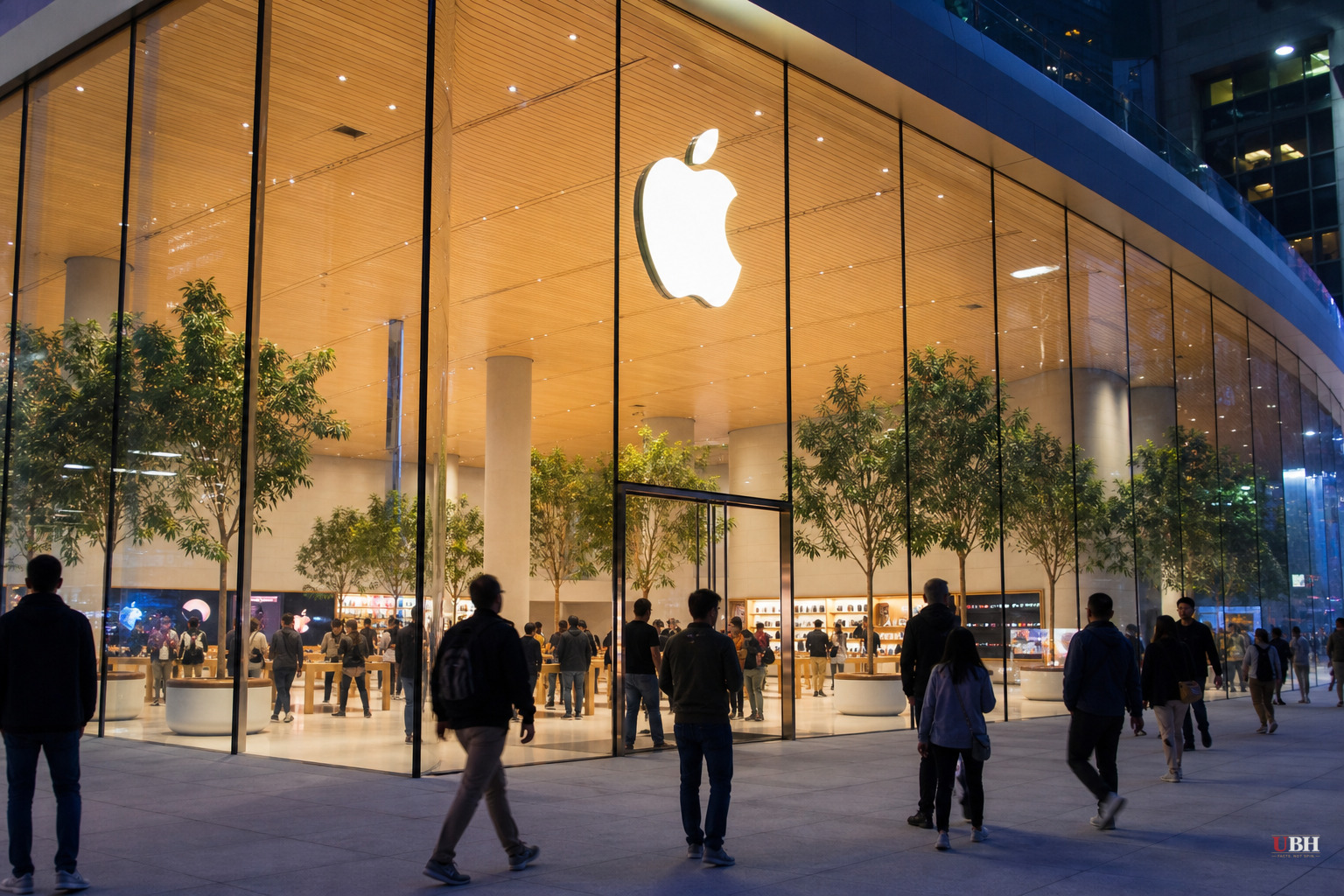
Apple is set to launch a new leasing program called Apple Upgrade on Tuesday, July 28, according to reporting from Bloomberg's Mark Gurman, cited by The Verge, TechCrunch, 9to5Mac, and Macworld. It replaces the old iPhone Upgrade Program with something bigger: a lease-to-own setup covering iPhones, iPads, Macs, and Apple Watches.
You pick a device, split the cost into monthly payments, and at the end of the term you can upgrade to a new model, keep the device, or hand it back. Macworld notes this mirrors car leasing almost exactly, down to the option to walk away at term's end.
Terms differ by device. iPhones and Apple Watches get 24-month leases. Macs and iPads get 36-month leases, according to Gurman's reporting relayed across all five outlets. A soft credit check is required to sign up.
Klarna Is Bankrolling It
Apple isn't fronting the money itself. Klarna, the buy-now-pay-later company, is the financial backer, according to Bloomberg. TechCrunch flatly calls Klarna a "deferred payment processor," and Macworld points out Klarna's reputation is built on exactly this kind of installment lending.
Gurman has reported in the past that Apple looked at building its own in-house hardware subscription service years ago, per Macworld, but shelved the idea in 2024. Now it's outsourcing the financial risk to a third party instead.
Not Everything Qualifies
Budget hardware is locked out. The base iPad, iPhone 16, Apple Watch SE, and the MacBook Neo won't be eligible for Apple Upgrade, according to all four tech outlets citing Gurman. Business and education purchases are excluded too, per Macworld. And it's unclear whether the iPhone 17e, already excluded from the current iPhone Upgrade Program, will qualify either.
One thing that's clearly gone: AppleCare. The current iPhone Upgrade Program bundles AppleCare coverage into the deal. Apple Upgrade reportedly does not, according to The Verge, TechCrunch, and 9to5Mac. Given that Apple is separately raising AppleCare subscription prices, per The Verge, that's a real added cost, not a rounding error.
Some transactions could also carry additional fees, Gurman reports, though the specifics on what triggers those fees and how much they'll run aren't detailed in any of the coverage so far.
Why Now
The timing isn't subtle. TechCrunch frames this bluntly: Apple has been fighting supply chain pressure from what the industry is calling "RAMageddon," an industry-wide memory chip shortage driven largely by AI companies buying up chip supply, according to TechCrunch. That's been pushing hardware prices higher across the board.
Apple already raised prices on Macs and iPads last month, according to Macworld and pluang. The iPhone was spared in that round, but the iPhone 18 Pro lineup, expected to launch later this year, could bring higher prices when it arrives, according to The Verge.
So the pitch is straightforward: if the sticker price is climbing, give people a way to spread that pain out monthly instead of eating it all at checkout. Leasing a phone is not the same as owning one, and consumers who don't read the fine print on early-upgrade fees or end-of-term costs could end up paying more over time than a straight purchase would have cost them.
The Corporate Backdrop
Apple is simultaneously in a legal fight with OpenAI, which Apple is suing over alleged trade theft, according to TechCrunch. TechCrunch's read is that Apple has "its hands full" and needs programs like this to keep sales moving while it manages the litigation.
None of the five reports indicate Apple or Klarna has issued an official statement confirming pricing details, fee structures, or the full list of eligible devices. TechCrunch says it reached out to both companies for comment and hadn't received specifics as of publication. Until Apple confirms the program directly, the credit-check terms, exact fee schedule, and full eligibility list remain based on Gurman's reporting rather than an on-record company statement.
The launch date, July 28, is one week out. Whether Apple frames this as a customer convenience or whether critics frame it as a debt instrument disguised as a subscription will likely depend on how the fee structure shakes out once Apple actually publishes terms.
Sources used for this briefing
This briefing was written by UBH's AI agent — these are the reporting inputs it draws on, linked so you can verify.


