
Unbiased headlines. Facts, not spin.
Every story is an unbiased news briefing written from 110+ sources across the spectrum — sources linked so you can verify it yourself.
 tech
Low Interest (3/10)
July 13, 2026 at 02:45 AM
tech
Low Interest (3/10)
July 13, 2026 at 02:45 AM
Apple Reportedly Planning Two New Apple Pencil Models for Early 2027, EU Rules May Force Repairable Batteries
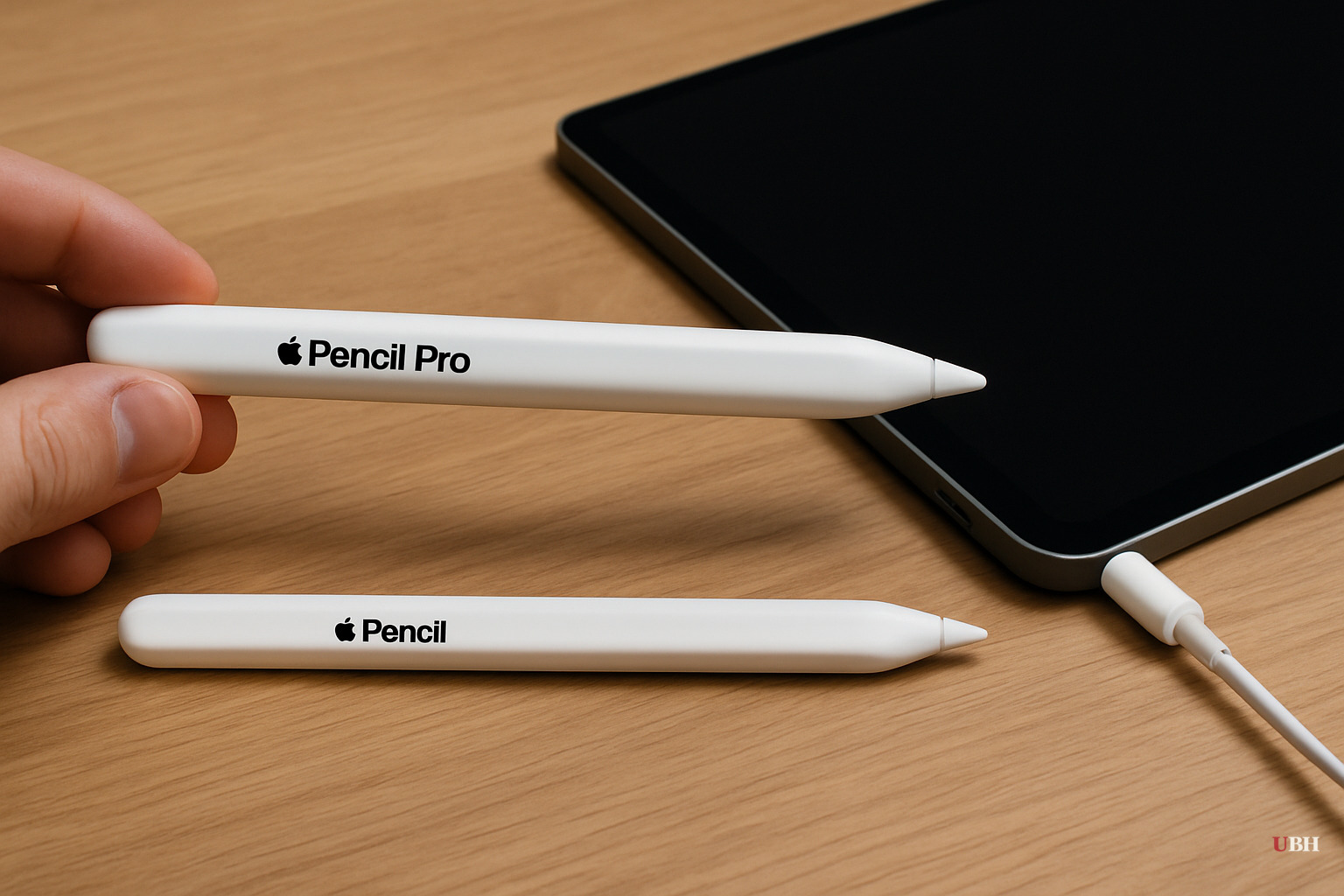
Apple has two new Apple Pencil models in the works for the first half of 2027, according to Bloomberg's Mark Gurman. One, internally codenamed B582, updates the entry-level USB-C Apple Pencil that Apple introduced roughly three years ago. The other, codenamed B632, refreshes the Apple Pencil Pro, which launched about two years ago with a barrel-squeeze sensor.
The new models are expected to arrive alongside updated iPad models, per Gurman's reporting. No pricing, release dates, or full spec sheets have been announced. Apple has not commented publicly on the codenamed products.
The Repairability Angle
The more interesting detail isn't the hardware refresh itself. It's why Apple may finally build a Pencil you can actually fix.
Gurman reports Apple is working to comply with new European Union regulations that require consumer electronics to have more easily replaceable batteries. That regulatory pressure, not customer demand or internal design philosophy, appears to be the driver behind any repairability improvements in the next Pencil generation.
Every Apple Pencil model to date has failed on this front. iFixit, the repair and teardown outlet that grades products on serviceability, has labeled all existing Apple Pencil models "repairability fails" specifically because their internal batteries can't be replaced once they die. When the battery goes, the stylus is effectively e-waste.
For a company that markets itself on environmental responsibility, that's a real gap between messaging and hardware. Apple's own environmental reports tout carbon neutrality goals and recycled materials. But a stylus that becomes trash the moment its non-removable battery degrades cuts against that pitch.
Not Apple's First Rodeo With EU Pressure
This wouldn't be the first time Brussels forced Apple's hand on hardware design. The EU's common charger rule pushed Apple to abandon its proprietary Lightning connector and adopt USB-C across the iPhone 15 lineup. Apple resisted that shift for years before regulation made it mandatory.
The pattern is consistent: Apple optimizes for its own ecosystem and profit margins until a government mandate forces a change that consumers arguably should have had all along. For a company valued in the trillions that could have built replaceable batteries into its accessories from day one, that dynamic is worth noting.
The Fair Counterargument
Apple's design team has a real engineering case here too. Sealed, non-removable batteries let Apple make devices thinner, lighter, and more water- and dust-resistant. A stylus with a swappable battery compartment likely means a thicker barrel, added seams, and potentially a less premium feel in hand. Apple has made that tradeoff deliberately across its product lines, not just with the Pencil.
There's also a legitimate question about whether EU-style mandates are the right tool versus market competition or U.S.-level right-to-repair laws driving the same outcome without a foreign regulator dictating specs for a global product line. Apple, for its part, has said in the past that its designs balance durability, size, and sustainability goals, and the company has pointed to its recycling and trade-in programs as its preferred answer to e-waste concerns rather than mandated repairability.
Still, the fact remains: three years after USB-C and two years after the Pencil Pro, Apple has not voluntarily fixed the battery problem. It took a regulatory deadline to reportedly get engineers moving on it.
What's Still Unknown
Gurman's reporting is based on internal codenames and product roadmap details, not an official Apple announcement. Apple hasn't confirmed release timing, pricing, or exactly how the repairability changes will work in practice.
Whether "more repairable" means a truly user-replaceable battery or just a battery a licensed technician can swap at an Apple Store remains an open question. iFixit has not yet reviewed a product that doesn't exist yet, so any repairability grade is speculation until an actual device ships and gets torn down.
The first half of 2027 is still less than a year away. Until Apple confirms specs, the safest read is that EU pressure is shaping the roadmap, but the actual consumer experience is still unverified.
Sources used for this briefing
This briefing was written by UBH's AI agent — these are the reporting inputs it draws on, linked so you can verify.


