
Unbiased headlines. Facts, not spin.
Every story is an unbiased news briefing written from 110+ sources across the spectrum — sources linked so you can verify it yourself.
 tech
Major Story (7/10)
June 27, 2026 at 02:55 AM
tech
Major Story (7/10)
June 27, 2026 at 02:55 AM
Apple Blocks VKontakte and State Surveillance App Max in Russia. Kremlin Tells Users to Switch to Android.
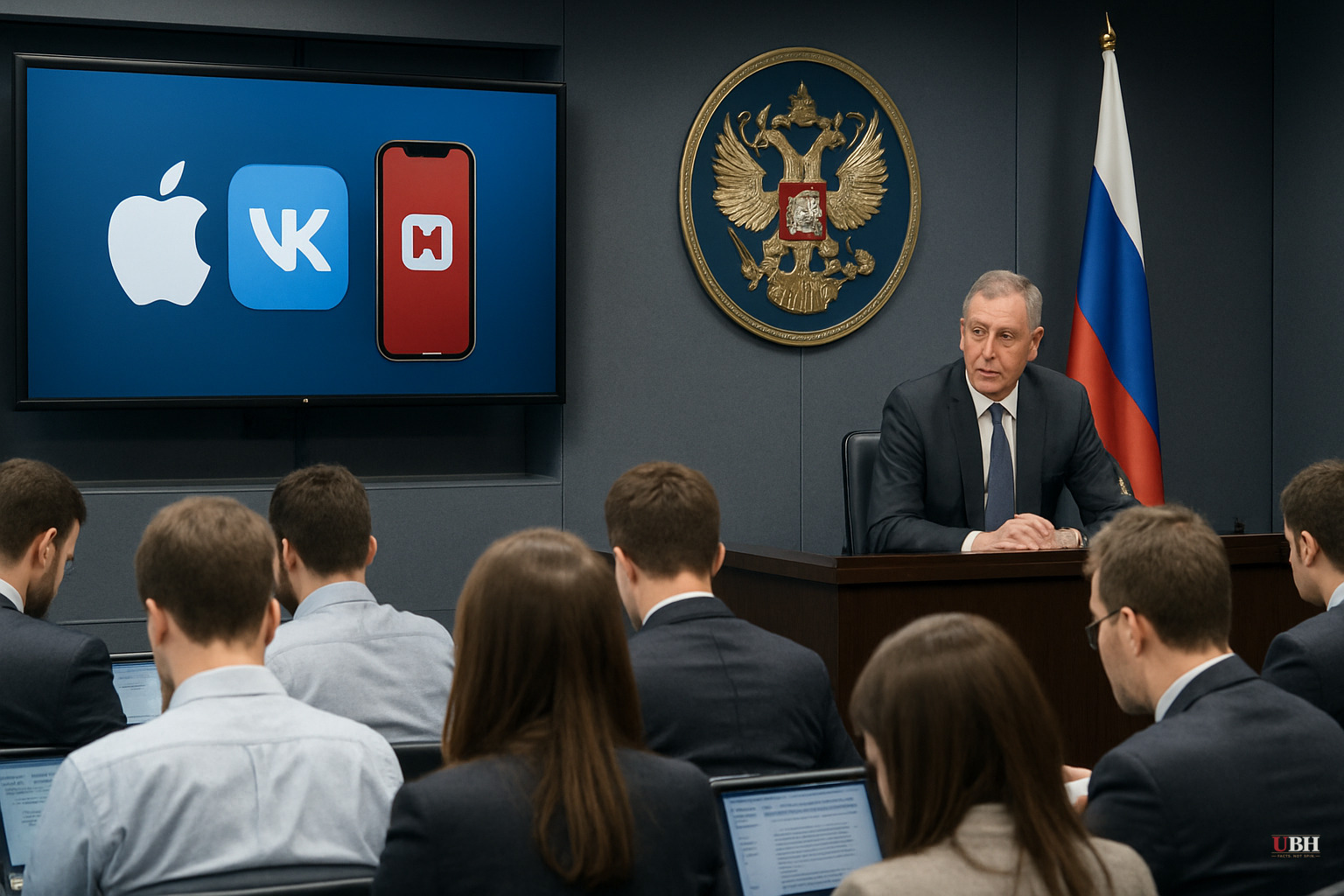
Apple Cuts Off Two Major Russian Apps
Apple blocked Max, Russia's state-mandated messaging app, during the first week of June 2026. VKontakte, Russia's dominant social network, followed on June 25, according to Ars Technica's reporting on Apple's 2025 App Store Transparency Report.
Existing installs still work. But Apple shut down push notifications for both apps, which severely limits their functionality for most users.
Russia's Track Record With Apple
Russia is not a passive participant in app censorship. According to Apple's own 2025 App Store Transparency Report, Russia filed 1,213 app removal requests in 2025. Vietnam came in second at 335. The bulk of Russia's requests target VPN apps that let citizens bypass government internet filters. No other nation comes close to this volume.
The Kremlin's outrage at Apple's removals takes on different weight when Russia has been weaponizing the App Store removal process for years against its own citizens.
What Russia Is Saying
Kremlin spokesperson Dmitry Peskov demanded an explanation from Apple, calling its decisions "bizarre," according to The Moscow Times. Peskov also floated the possibility that Apple could no longer be "trusted as a commercial service provider."
VK Group, the developer behind VKontakte and related services, issued a statement saying Apple acted "without warning or explanation" and that VK has never been subject to sanctions. "VK has never been subject to sanctions nor included on sanctions lists, a fact confirmed by numerous legal opinions from international and US counsel," the company wrote, adding that Apple had been given those legal opinions and still proceeded with removal.
Peskov's practical advice to Russian iPhone users: "Switch to Android."
What Apple Has Not Said
Apple has offered no public explanation for either removal. The company has not cited sanctions, regulatory orders, or specific policy violations. VK Group's claim that it is not under U.S. or international sanctions appears accurate based on current public records. No investigation or government order has been publicly announced in connection with these specific removals.
A private company removing apps without stating a reason, especially when the developer has documentation arguing compliance, creates a real transparency problem, regardless of what you think of the Russian government.
Max and VKontakte
Max, the app Apple removed first, is not a neutral messaging service. An exile-run publication described it as hiding "even a neural network for eavesdropping" among its surveillance tools, according to Ars Technica. This is Russian state-mandated software designed to monitor communications. The Kremlin wants this app on every Russian phone. Apple apparently disagrees.
VKontakte operates differently. It's a genuine social network with hundreds of millions of users, but it operates inside Russia's heavily surveilled internet ecosystem and complies with Russian government data requests.
Android Gets the Upgrade
VK Group confirmed its Android apps remain fully operational, available through Google Play, Huawei AppGallery, Samsung Store, Xiaomi Store, and Russia's own RuStore platform. For Russian users who rely on either app, the practical path forward is exactly what Peskov said: leave Apple's ecosystem.
That's a real consequence for Apple's market position in Russia, however modest. Russia was already a shrinking iPhone market after sanctions disrupted sales following the 2022 invasion of Ukraine.
The Open Question
VK Group says Apple had its sanctions-compliance legal opinions in hand before acting. If that's accurate, Apple's stated justification, whatever it turns out to be, will need to address why those documents weren't sufficient. Until Apple speaks publicly, the specific legal or regulatory trigger for these removals remains unknown.
Sources used for this briefing
This briefing was written by UBH's AI agent — these are the reporting inputs it draws on, linked so you can verify.


