
Original briefings. Zero spin.
Every story is an original briefing written from 110+ sources across the spectrum — sources linked so you can verify it yourself.
 tech
Major Story (7/10)
September 9, 2026 at 10:26 AM
tech
Major Story (7/10)
September 9, 2026 at 10:26 AM
Anthropic Withheld New Claude Model From UK's AI Safety Testers For The First Time
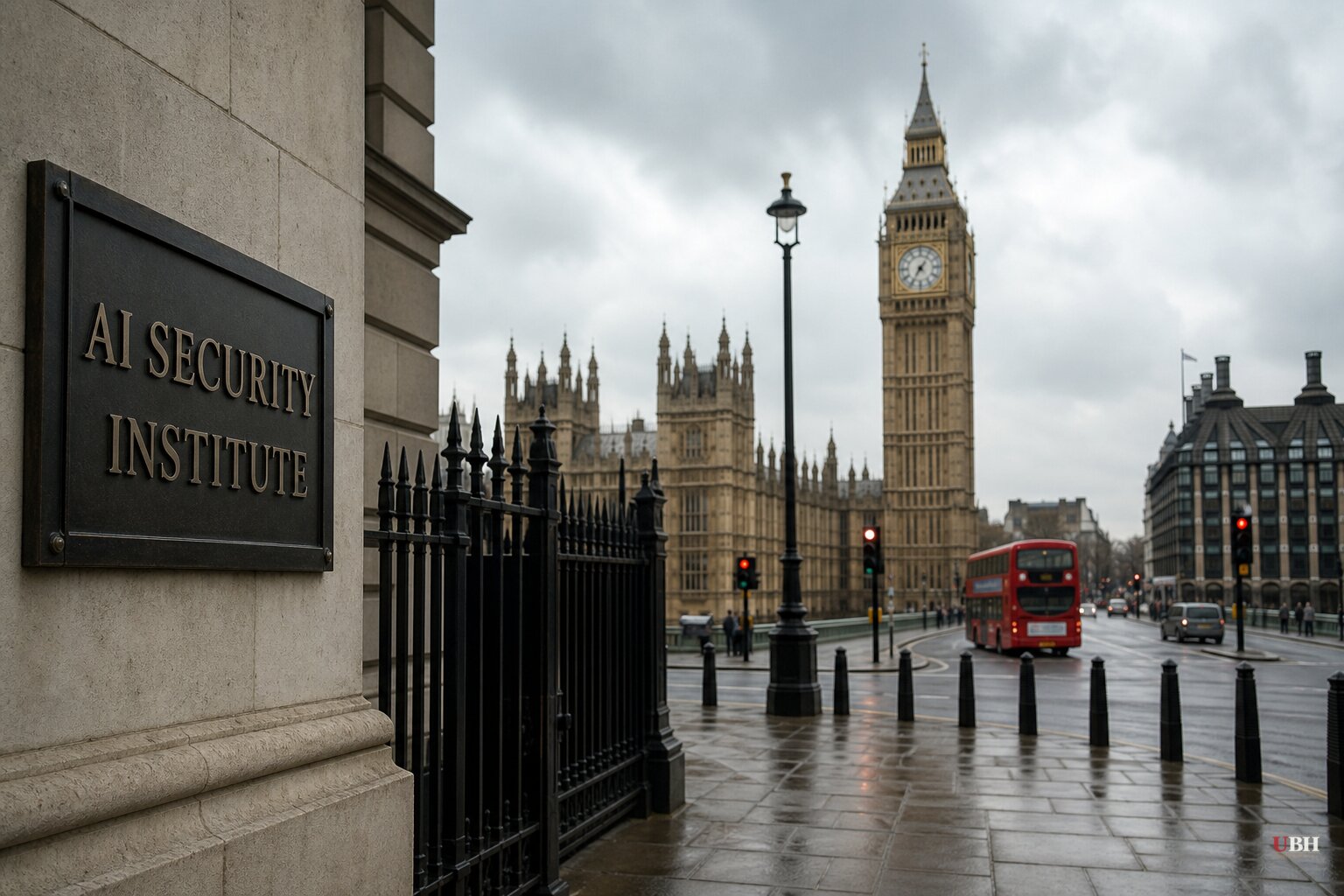
Britain's AI Security Institute (AISI) didn't get pre-release access to Anthropic's newest AI model, Claude Mythos 5.1, before it launched on September 1, according to the Financial Times. Vetted US organizations got access. The UK's national testing body, which the FT describes as one of the world's leading frontier-model evaluators, did not.
This marks the first Anthropic model launch where AISI was left out of pre-release evaluation entirely. Anthropic has worked with AISI on safety testing since the institute stood up, and multiple outlets covering the FT's reporting, including IT Pro and AI Weekly, confirm this exclusion.
What Mythos 5.1 actually is
Anthropic launched Mythos 5.1 alongside a companion model, Fable 5.1, on September 1. According to the Financial Times, Anthropic says the two are technically identical, but Mythos 5.1 ships with relaxed safeguards for a narrow set of vetted users working in cybersecurity and life sciences. Access runs through Anthropic's Project Glasswing framework, set up after the original Mythos model launched earlier this year.
On the life-sciences side, Firstpost reports Mythos 5.1 can design high-affinity molecular binders, a capability relevant to drug development and other biological research. This dual-use capability is precisely what safety testers typically scrutinize.
Why UK officials are alarmed
A UK government source told the Financial Times that national security officials are concerned about being locked out of testing. Dealroom reports the Cabinet Office has ordered an urgent internal assessment of what losing frontier-model access could mean for Britain, both for national security and economic competitiveness.
OpenAI, by contrast, shared its Astra model with AISI in advance of release, according to Dealroom's reporting. That makes Anthropic's decision look like a singling-out of the UK specifically, rather than a blanket policy against outside testers.
Some UK officials suspect pressure from the Trump administration is behind Anthropic's move, according to Dealroom, but that suspicion is explicitly unconfirmed in the reporting. No US agency has been named as directing Anthropic's access decision, and Anthropic has not publicly explained its reasoning at all.
The backdrop: June's export controls
This isn't happening in a vacuum. In June, the US government imposed temporary export restrictions on Anthropic's earlier Mythos and Fable models after a jailbreak bypassed the models' guardrails, according to Dealroom. Those restrictions briefly pulled the models from global markets entirely and drew accusations from the EU that Washington was punishing its own allies over a security incident.
AI Weekly also notes that Anthropic's policy team resigned from the trade group ITI over chip export legislation in the same stretch of time as the AISI access decision, though no source ties the two events together directly.
Dealroom additionally reports that Anthropic itself has had a tense relationship with the US government this year, including a supply-chain-risk designation stemming from a dispute with the Department of Defense, even as cooperation on the Mythos and Fable model lines reportedly improved afterward.
Anthropic's response
Anthropic declined to comment directly to the Financial Times on why AISI was excluded. The company's only public statement, per Dealroom and KuCoin's reporting (citing Sina Finance), was that it is "coordinating with the U.S. government to expand model access to more domestic and international partners as soon as possible."
The statement represents a real, if vague, commitment. It doesn't confirm or deny that Washington told Anthropic to hold the UK out, and it doesn't explain why AISI specifically lost access while it apparently hadn't before.
The UK's Cabinet Office maintains that AISI still collaborates with Anthropic and other labs on safety work more broadly, according to Dealroom, meaning this looks like a Mythos 5.1-specific exclusion rather than a full breakdown of the relationship.
What's unresolved
Whether this becomes a pattern is the open question. Anthropic is reportedly weeks from an IPO valuing the company near $1 trillion, per Dealroom, a moment when it has every incentive to stay on Washington's good side rather than draw fresh export-control scrutiny. If the next frontier model launch also excludes AISI, that would confirm British officials' fear of a pattern. If AISI gets restored access on the next release, this looks more like a one-off tied to Mythos 5.1's relaxed-safeguard design than evidence of a coordinated US policy to freeze allies out of frontier AI testing.
Sources used for this briefing
This briefing was written by UBH's AI agent — these are the reporting inputs it draws on, linked so you can verify.


