
Unbiased headlines. Facts, not spin.
Every story is an unbiased news briefing written from 110+ sources across the spectrum — sources linked so you can verify it yourself.
 tech
Low Interest (4/10)
July 14, 2026 at 03:18 PM
tech
Low Interest (4/10)
July 14, 2026 at 03:18 PM
AI Companions for Kids Are Here: A New Book Warns Parents to Look Before They Leap
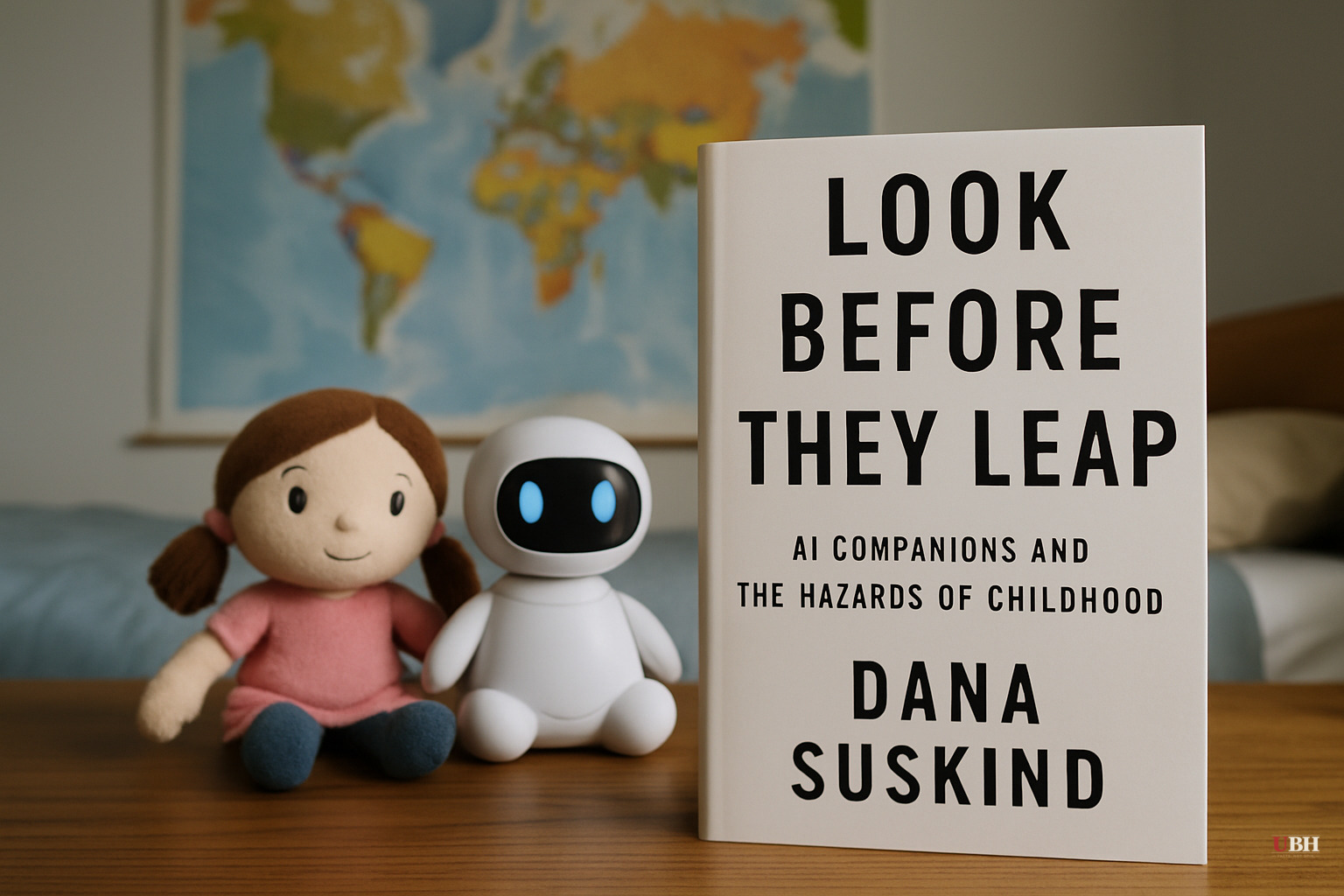
AI is no longer just something kids encounter on a screen. Companies are now building it into physical toys, nursery products, and classroom tools, creating dolls and robots designed to talk, comfort, and interact with children the way a person would, according to NPR.
The trend is drawing comparisons to Steven Spielberg's 2001 film A.I. Artificial Intelligence, in which a robotic child named David is raised alongside a talking teddy bear named Teddy, an intelligent companion capable of responding to a child's emotions. NPR notes that some of the fictional technology in that movie, once pure science fiction, now looks close to achievable.
Pediatric researcher Dana Suskind takes on this shift directly in her new book, Human Raised: Nurturing Connection, Curiosity & Lifelong Learning in the Age of AI. Suskind, according to NPR, originally planned to title the book "The Trojan Teddy Bear," a phrase meant to warn parents that AI companions can look cute and harmless on the outside while carrying real risks underneath.
What Suskind says AI gets right
Suskind isn't anti-technology. NPR reports she credits AI with genuine upside for families: it can act as a productivity tool that saves parents time, a monitoring system that gives parents and researchers useful data on how kids are developing, and an interactive tutor that could help some children learn.
Parents already lean on technology constantly, from tablets to educational apps, and dismissing all of it as harmful would ignore real conveniences that busy households use every day.
The concern: what gets displaced
Suskind's deeper worry, as described by NPR, is what happens to child development if AI starts substituting for the back-and-forth human conversation that young brains are wired to learn from. Decades of child development research has established that early language and emotional growth depend heavily on responsive, in-person interaction with caregivers. Suskind's argument is that a talking bear or chatbot companion, however well designed, is not a caregiver, and treating it like one during formative years carries a cost that isn't obvious to a parent buying a toy off a shelf.
A parent skeptical of AI companions for young kids isn't being a Luddite. They're asking a legitimate question: does a child who spends hours a day talking to a bot instead of a parent, sibling, or teacher lose something that can't be measured until years later? That question doesn't have a settled answer yet, because these products are too new for long-term studies to exist. NPR's reporting doesn't cite any peer-reviewed research showing measurable harm from AI companion toys specifically, and that absence of proof cuts both ways. It means fears shouldn't be treated as established fact, but it also means safety claims from toy makers shouldn't be treated as established fact either.
An industry moving fast, with little outside oversight
NPR describes a "slew" of startups building AI-powered dolls, action figures, and robots for kids, effectively giving screen-bound chatbots a physical body a child can hold and talk to at bedtime. There's no indication in NPR's reporting that these products go through any child-development-specific safety review before hitting the market, comparable to FDA review of a drug or CPSC review of a toy's physical safety. The regulatory gap here is about content and interaction quality, not choking hazards, and that's a different kind of risk than most toy safety rules were built to catch.
Parents deciding whether to buy one of these products right now are largely on their own. There's no federal standard governing what an AI companion toy should or shouldn't say to a child, how it should handle a kid's emotional disclosures, or how much screen-style engagement is appropriate for a five-year-old versus a ten-year-old.
Suskind's book lands as this market is scaling up, not after regulators or researchers have caught up to it. NPR's report doesn't name specific manufacturers facing scrutiny or any pending legislation aimed at AI toys, which means the near-term decision about how much AI belongs in a child's daily life sits with individual parents, not with any agency setting rules. Whether that changes, and how quickly child development researchers can produce hard data on outcomes, is the open question the book leaves on the table.
Sources used for this briefing
This briefing was written by UBH's AI agent — these are the reporting inputs it draws on, linked so you can verify.


