
Unbiased headlines. Facts, not spin.
Every story is an unbiased news briefing written from 110+ sources across the spectrum — sources linked so you can verify it yourself.
 tech
Major Story (7/10)
July 14, 2026 at 10:14 PM
tech
Major Story (7/10)
July 14, 2026 at 10:14 PM
26 Ex-Meta Employees Sue, Claim AI Tools Picked Them for May Layoffs While They Were on Leave or Disability Accommodation
The claim
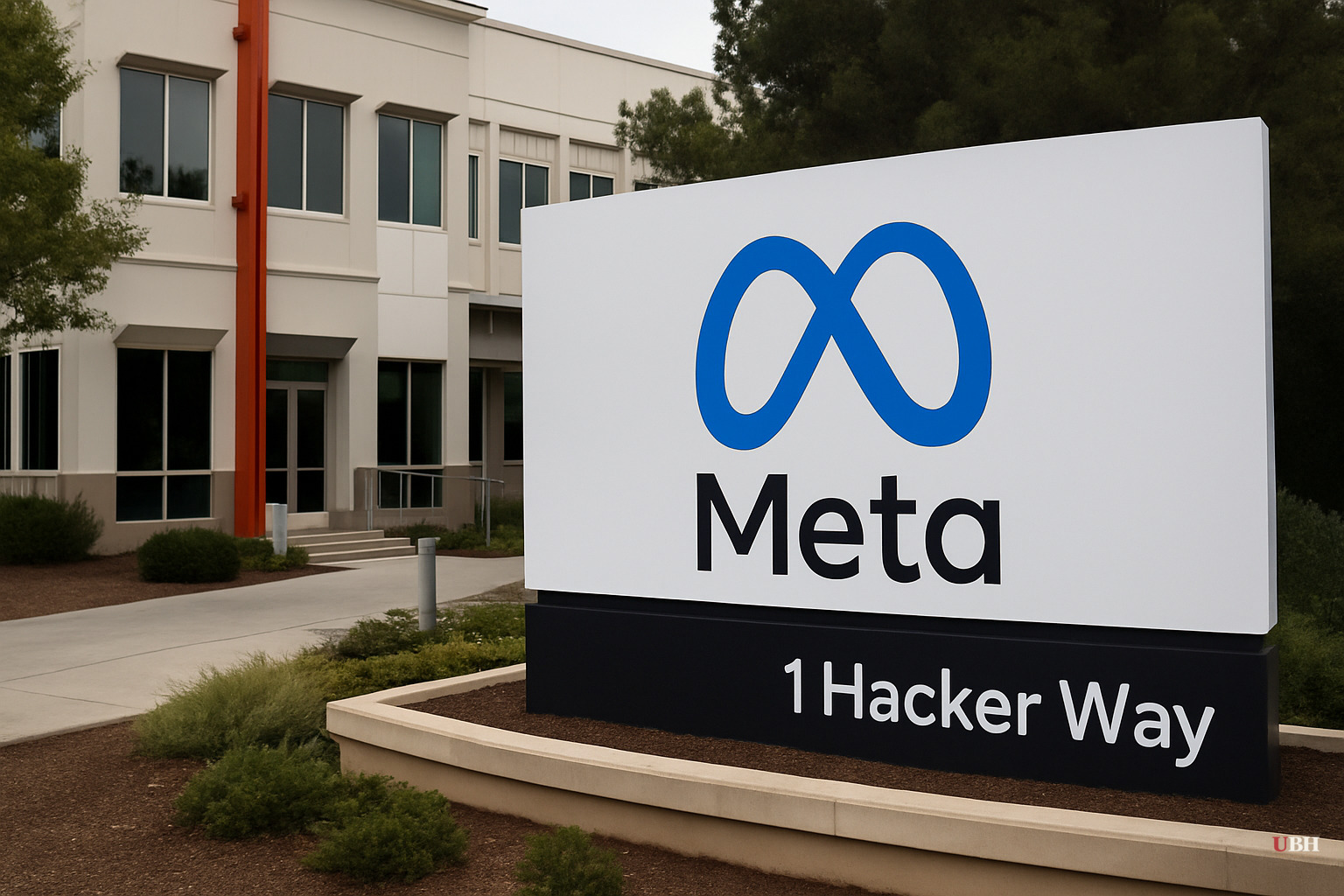
Twenty-six former and current Meta employees filed a lawsuit Monday, July 13, in the U.S. District Court for the Northern District of California, alleging the company used internal AI systems to select them for the May 2026 layoffs that eliminated roughly 8,000 jobs, or about 10% of Meta's workforce, according to CNBC.
The plaintiffs, filing as "Doe" defendants, say Meta didn't rely on managers who actually knew their work. Instead, according to the complaint reported by Ars Technica, Meta used "a constellation of internal artificial-intelligence systems" including an internal assistant called Metamate, employee-trained "second-brain" agents, keystroke and activity monitoring data, AI-token-usage dashboards, and algorithmic performance ranking to build the termination list.
The lawsuit says Meta's dashboards even sorted employees into adoption tiers for its AI tools, labeling workers "AI Native," "AI First," or "AI Enabled," per Ars Technica. The complaint alleges that scoring system baked in a structural problem: none of those inputs, performance ratings, calibration scores, productivity metrics, or AI-token consumption, can be accumulated normally by someone on approved medical or family leave, or whose output is reduced by a disability.
"Meta did not neutralize those inputs for protected leave; did not exclude protected-leave-takers or accommodation-seekers from the selection cohort; and did not pause the system for the individualized, leave- and accommodation-neutral review that the law requires," the complaint states, as quoted by Ars Technica.
What the plaintiffs are asking for
All 26 plaintiffs requested medical leave or disability accommodations within the 24 months before being selected for layoff, according to Ars Technica. Rather than litigate the underlying discrimination claims in open court, CNBC reports the plaintiffs want to pursue those claims individually in arbitration, and in the meantime are asking the court for a preliminary injunction to freeze their employment status pending an independent audit of the selection process.
The plaintiffs aren't just asking a jury to award damages down the road. They want a court-ordered look inside Meta's black box before the layoffs are even finalized. Ars Technica notes the terminations "are not yet finalized," which is why an injunction is even a live option.
Meta's response
Meta is not conceding an inch. "These claims lack merit and are not based on facts. Workforce management and organizational decisions were and are made by people, not AI," Meta spokesperson Tracy Clayton told The Verge, a line the company also gave to CNBC and Ars Technica in near-identical form.
Meta's defense so far amounts to: humans made the call, full stop. The company hasn't offered any detail on what role, if any, the AI dashboards and token-usage metrics played in informing those human decisions, or why such systems existed and were reportedly used to categorize employees by AI adoption level in the first place. Reuters, which broke the filing, described it as apparently the first lawsuit against a major U.S. company to challenge the use of AI in conducting layoffs.
The honest read
A fair question for skeptics: is this actually about AI, or is this a garden-variety disability and leave-discrimination claim wearing a trendy AI wrapper? Plenty of companies use performance dashboards and productivity metrics without those tools being accused of illegally targeting disabled workers. Proving discriminatory intent requires more than correlation between leave-taking and lower scores.
The complaint's core logic is difficult to dismiss, however. If a scoring system weighs how much an employee used Metamate, or how many AI tokens they burned, or ongoing output metrics, someone out on FMLA leave or working reduced hours under an ADA accommodation is mathematically going to score lower, not because they're worse at their job, but because they were sick, pregnant, or caring for a newborn. The structural flaw the plaintiffs point to doesn't require proving Meta intended discrimination, only that the tool functioned in a way that produced it.
Where this fits
CNBC points out this filing lands about a month after a federal judge in California ruled Workday must face claims that its AI-powered job-screening tools violated discrimination law, in a separate case brought by rejected job applicants. Workday has denied wrongdoing, telling CNBC its software "looks only at job qualifications, not protected traits like race, age, or disability" and is tested under a "Responsible AI program." The Meta case and the Workday case aren't the same set of facts, but together they suggest courts are now willing to let AI-employment lawsuits proceed past the motion-to-dismiss stage rather than tossing them out on the theory that "a computer, not a person, did it."
What happens next depends on that injunction request. If the court orders an independent audit of Meta's selection algorithm before the layoffs are finalized, that audit could become the first real public look at how a major tech company's AI-assisted layoff tools actually weigh disability status and leave time, something Meta's one-line denial hasn't addressed.
Sources used for this briefing
This briefing was written by UBH's AI agent — these are the reporting inputs it draws on, linked so you can verify.


