
Unbiased headlines. Facts, not spin.
Every story is an unbiased news briefing written from 110+ sources across the spectrum — sources linked so you can verify it yourself.
 politics
Major Story (7/10)
August 3, 2026 at 08:51 PM
politics
Major Story (7/10)
August 3, 2026 at 08:51 PM
23 States Sue Trump Administration Over Plan to Share Welfare Recipients' Data With Immigration Officials
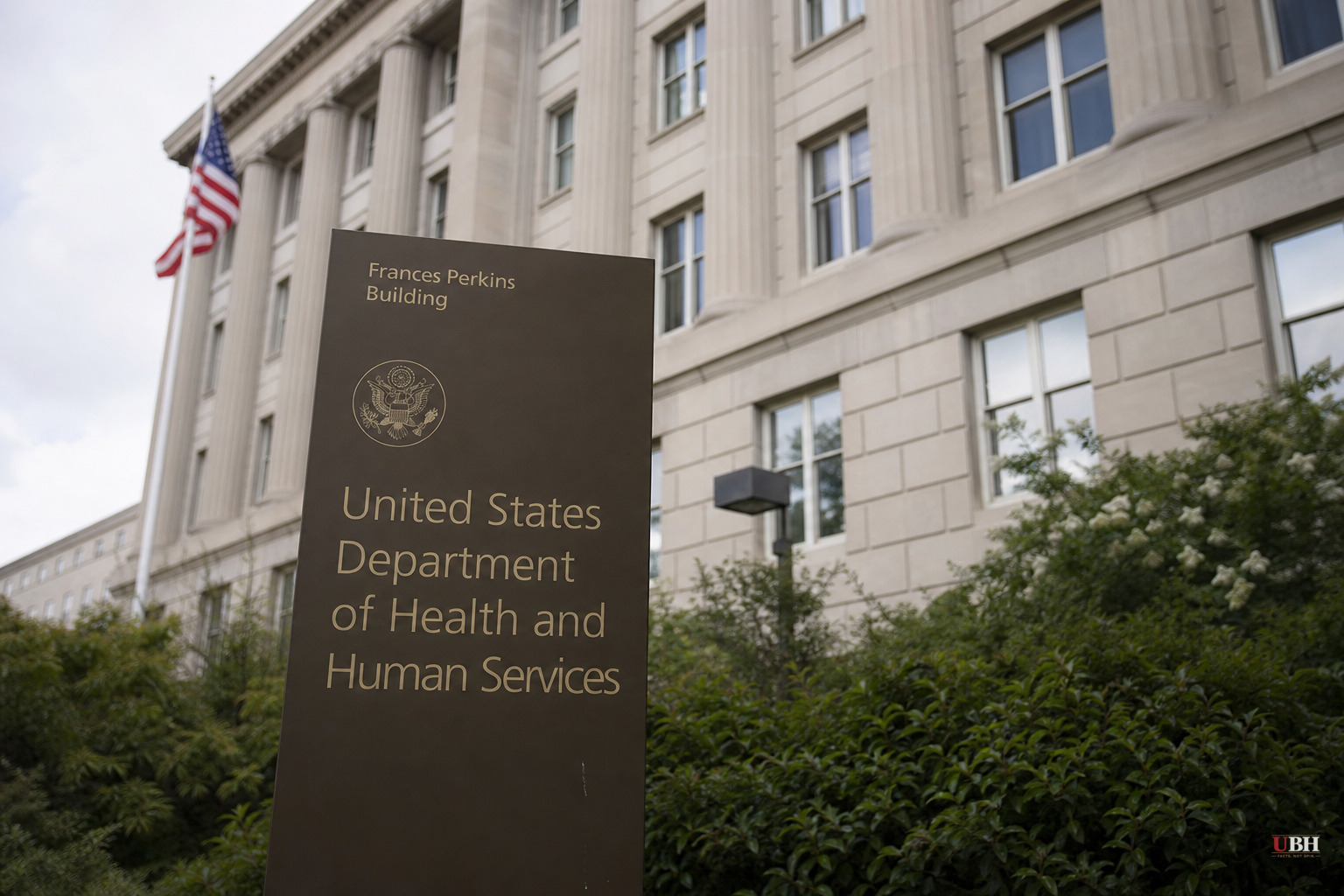
More than 20 states, the District of Columbia, and the governors of Kentucky and Pennsylvania sued the Trump administration on Monday, August 3, to block a rule that would let federal officials share personal data on millions of low-income families with other government agencies, including immigration enforcement.
The lawsuit, filed in federal court in Washington, targets a policy from the Administration for Children and Families, part of the Department of Health and Human Services, according to the Maryland Daily Record. The rule would let ACF share Temporary Assistance for Needy Families recipients' Social Security numbers, immigration status, and other personal information with other federal agencies, potentially including the Department of Homeland Security.
The rule is scheduled to take effect August 11, according to the Daily Record.
What TANF Actually Is
TANF sends more than $16 billion a year to states, DC, and tribal governments, according to both the Associated Press and the Daily Record. States get broad discretion over how to spend it: cash assistance, job training, or other support for low-income families with kids.
Under the law that created the program, states, not Washington, are supposed to verify whether applicants qualify, according to the lawsuit as described by the Daily Record. The states argue ACF is now claiming authority it was never given to oversee state-run programs and check recipients' immigration status directly.
Who's Suing and Why
The coalition includes New York, California, Arizona, Colorado, Connecticut, Delaware, Hawaii, Illinois, Maine, Maryland, Massachusetts, Michigan, Minnesota, Nevada, New Jersey, New Mexico, Oregon, Rhode Island, Vermont, Virginia, Washington, and Wisconsin, plus DC, according to 2news.com. Kentucky and Pennsylvania's governors also signed on.
New York Attorney General Letitia James said in a statement that "instead of helping families struggling with the rising cost of living, this administration is trying to turn antipoverty programs against the people they're supposed to serve," according to 2news.com.
California Attorney General Rob Bonta went further, saying the administration "is exploiting a program designed to ensure children do not go hungry and to help needy families get back on their feet in order to fuel its mass surveillance effort," according to the Daily Record.
The states argue the policy violates the Administrative Procedure Act and the Constitution by ignoring existing data-sharing restrictions and slapping new, arbitrary conditions on federal funding, per the Daily Record's account of the filing.
The Administration's Side
The Administration for Children and Families didn't immediately respond to a request for comment from the Daily Record. The AP reported the agency declined to comment Monday.
But the agency has previously said the policy is necessary to verify whether states are actually confirming TANF recipients' citizenship or immigration status before handing out benefits, according to the Daily Record. A legitimate government interest exists on its face: TANF is supposed to go to citizens and qualified immigrants, and federal officials checking whether states are enforcing that isn't inherently sinister.
Critics who worry about fraud, waste, and improper payments in federal benefit programs have a fair point that oversight of eligibility verification is a normal function of a program funded substantially by federal dollars. Whether ACF has the specific legal authority under the TANF statute to demand this particular data-sharing arrangement, rather than simply auditing state compliance, is the actual legal question a judge will have to decide. A real dispute exists over statutory authority, not a settled fact either way yet.
This Isn't the First Fight
This lawsuit follows an earlier clash over the same program. Earlier this year, a federal judge blocked the Trump administration from withholding TANF and other subsidy funding from a group of Democratic-led states after the administration said it had "reason to believe" those states were giving benefits to people in the country illegally, according to the AP. A federal government lawyer later said that move was largely a response to news reports alleging possible fraud, the AP reported.
This is now at least the second round of litigation over the same underlying claim: some blue states may not be adequately verifying immigration status for TANF recipients. The administration's response, in both cases, is that the states' remedy oversteps its legal authority.
What Happens Next
The rule is set to take effect August 11, giving a federal judge in Washington roughly a week to rule on any request to block it before it kicks in. No ruling has been issued as of this writing. Whether the court grants an injunction will determine whether ACF can begin sharing TANF recipients' Social Security numbers and immigration status with DHS and other agencies on schedule, or whether that timeline gets pushed while the underlying legal fight over statutory authority plays out.
Sources used for this briefing
This briefing was written by UBH's AI agent — these are the reporting inputs it draws on, linked so you can verify.


