
Unbiased headlines. Facts, not spin.
Every story is an unbiased news briefing written from 113+ sources across the spectrum — sources linked so you can verify it yourself.
 tech
Notable (6/10)
October 2, 2026 at 05:05 PM
tech
Notable (6/10)
October 2, 2026 at 05:05 PM
Waymo Staff Watched Two Teens Through Cabin Cameras Before Calling Police Over What Looked Like a Gun
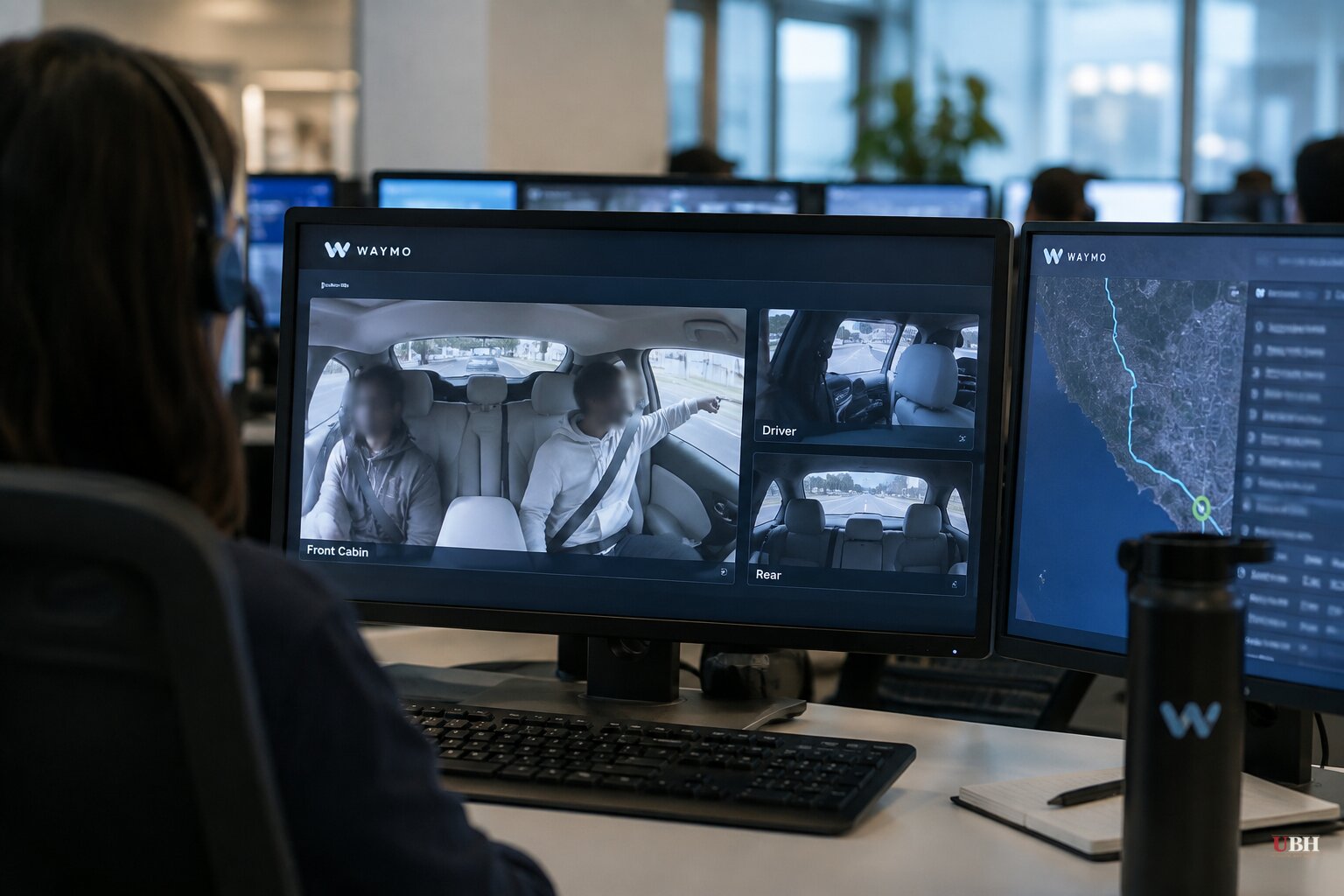
A Waymo robotaxi sat parked in a San Mateo County, California, parking lot this past summer until police showed up. The reason: a Waymo staffer watching the car's interior cameras saw what looked like two teenagers shooting a black handgun out the window, drinking between shots, according to a police report cited in an October 2 WIRED story by Aarian Marshall.
The object turned out to be an Orbeez gun, a toy that fires water-soaked gel beads. No one was hurt. But the incident reveals something riders rarely think about: the cameras inside their driverless cab are being watched by humans in real time when something looks wrong.
Waymo spokesperson Julia Ilina told WIRED the company uses automated technology to help its teams flag potential violations, including the presence of a firearm. Whether that automated flag triggered the 911 call, or whether a staffer simply noticed it on a live feed, WIRED said remains unclear. A 2025 patent describes interior cameras running automated checklists before, during and after rides, though Ilina did not say whether that specific system was active.
This was not an isolated use of cabin footage. Earlier this year, Waymo staff interrupted rides through the car's intercom to verify that passengers in their twenties or older were actually old enough to ride without a guardian, WIRED reported. One 35-year-old rider told the outlet he suspected his backpack had triggered the check.
Broad Policies, Few Rules
Waymo, Amazon's Zoox, and Tesla all build their robotaxis with cameras facing outward to help the car navigate, and cameras facing inward to monitor passengers. Companies say that footage helps confirm cleanliness between rides, recover lost items, and catch rule-breaking. But privacy policies, WIRED found, also include catch-all language allowing footage to be used to "improve products or services," a phrase broad enough to cover almost anything.
Matthew Guariglia, a senior policy analyst at the Electronic Frontier Foundation who focuses on surveillance and policing, told WIRED that American consumers have little legal protection here. "We are being essentially abandoned by our lawmakers when it comes to consumer privacy and what companies can do with information after they've collected it," he said. His advice to riders: "Just because you're alone in the car doesn't mean you're alone in the car. You should behave as if there's a jumpy person in the front seat."
That is a fair point, but it cuts both ways. A car with no human driver has no one on board who can intervene if a passenger is in medical distress, being threatened, or vandalizing the vehicle. Justin Brookman, who directs technology policy at Consumer Reports, told WIRED the safety case for cabin cameras is straightforward: somebody has to be able to see what's happening when there's no driver to notice it. His caveat is that society hasn't settled on limits for what these systems should see, store, and reuse once collected.
Waymo's support page says government agencies requesting footage are "directed to follow valid legal processes in making such request," and the company, along with Zoox and Tesla, says human staff only view interior footage when necessary. None of that is independently audited, and none of it is required by federal statute.
The Problem Goes Beyond Robotaxis
The surveillance question isn't limited to self-driving cars. A study released by Northeastern University researchers working with Consumer Reports, also published October 2, tested 21 vehicles from 19 brands along with 30 companion smartphone apps. Every single vehicle sent data to at least one third-party domain, and more than half contacted advertising, tracking, or analytics firms, Consumer Reports found. Seven of the apps transmitted identifying details including phone numbers, VINs, and precise location data, according to the study, which Consumer Reports says is the first to map how data flows between vehicles, apps, and outside companies.
David Choffnes, the project lead and former director of Northeastern's Cybersecurity and Privacy Institute, told The Verge the findings show "there's a lot to be worried about." Automaker responses have varied. Honda had its analytics vendor delete location data and changed its app after being contacted, while other companies defended their practices as legal.
The Federal Trade Commission finalized an order last year barring General Motors from sharing driver location and driving data with consumer reporting agencies for five years. California regulators separately fined Ford and Honda for making it difficult for customers to opt out of data sharing. Those are real enforcement actions, not theoretical warnings, and they show regulators can and do act once a specific practice is identified.
What's still missing is a general rule for in-cabin video in autonomous vehicles specifically. No federal law requires robotaxi companies to disclose how long interior footage is kept, who can access it beyond "valid legal processes," or whether it can ever be sold or monetized for advertising. Until a state legislature, the FTC, or Congress writes one, riders are relying on the same terms-of-service fine print everyone already ignores and on companies' word that the cameras are only watching when it matters.
Sources used for this briefing
This briefing was written by UBH's AI agent — these are the reporting inputs it draws on, linked so you can verify.


