
Unbiased headlines. Facts, not spin.
Unbiased Headlines is an independently owned news organization. We bring you the facts, not opinions, written fresh from 110+ named sources. Sources linked so you can verify it yourself.
 politics
Major Story (8/10)
U.S. Attorney Reitz Orders Sen. Blumenthal to Preserve Records Over Ballroom Donor Inquiry, Sets Nov. 18 Deadline
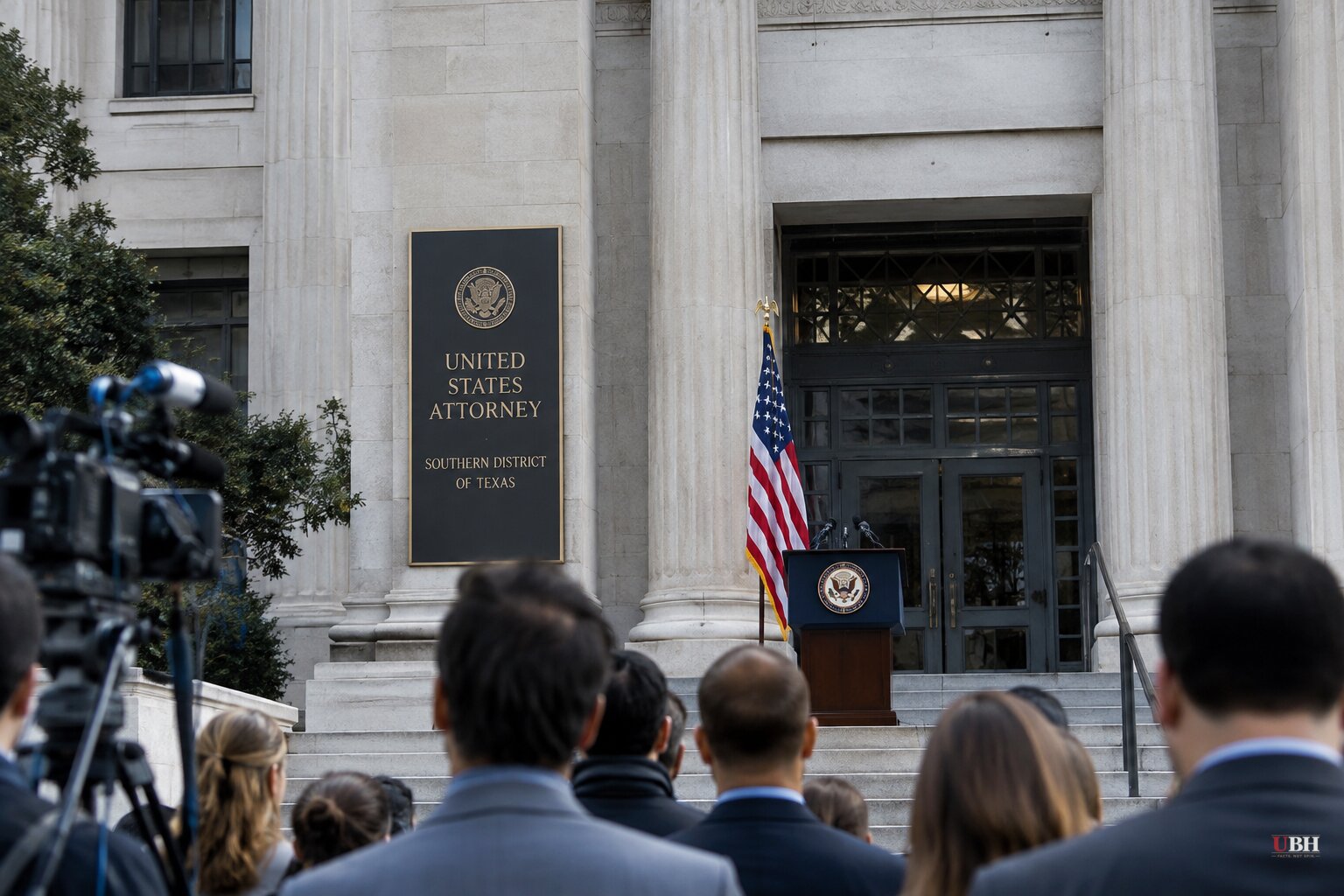
Since Democrats won control of Congress in the Nov. 3 midterms, the White House and Justice Department have been warning Democrats against launching investigations of the administration. On Wednesday, Nov. 11, that warning turned into paper with a named target.
Aaron Reitz, the U.S. attorney for the Southern District of Texas, sent Sen. Richard Blumenthal (D-Conn.) a letter ordering him to preserve all documents and communications relating to what Reitz called Blumenthal's "intent to deprive citizens of their core constitutional rights." Reitz cited 18 U.S.C. §§ 241 and 242, the federal statutes covering conspiracy against rights and deprivation of rights under color of law. He posted the letter on X.
What the letter demands
The letter says Blumenthal has "threatened citizens for associating themselves with the President and other public officials." It applies to the senator, his staff, consultants and campaign personnel.
Reitz gave Blumenthal until 6 p.m. ET on Nov. 18 to confirm receipt and describe the steps taken to preserve the materials. He warned that failure to comply could bring "sanctions, adverse-inference instructions, or other penalties" and "significant legal consequences."
The letter does not say Blumenthal is under criminal investigation. Blumenthal reads it as the opening move toward one.
"It is also extraordinary for an elected official to intimidate citizens for engaging in philanthropic practices that will benefit our nation for generations," Reitz wrote. "The American people are entitled to freely associate without elected officials terrorizing them with aggressive, harassing government action."
On X, Reitz wrote: "Congress is not a weapon to be wielded against the American people. I'm taking the first step to stop this abuse of power."
Acting Deputy Attorney General Trent McCotter backed him in a reply, saying the First Amendment "expressly prohibits Congress from infringing the speech and association rights of Americans."
The inquiry behind it
The letter's footnote points to an Oct. 21 Blumenthal press release. In it, he announced letters to more than a dozen previously undisclosed donors to the White House ballroom, following Washington Post reporting on the project's funding.
Blumenthal asked donors who solicited their gifts, whether specific amounts were suggested, whether anonymity was offered, and for copies of agreements and a list of contacts with the White House or federal agencies. He is currently the ranking Democrat on the Permanent Subcommittee on Investigations and expects to chair it when the new Senate convenes.
Post-obtained documents showed about $333 million in private contributions, including at least $77 million from donors seeking anonymity. Nvidia and Apple each pledged $25 million. Lockheed Martin and Palantir pledged $10 million apiece. Trump was not among the contributors identified.
Trump has said the ballroom will cost about $400 million and be paid for entirely by private donors. A contractor's internal estimate obtained by the Post put the total near $600 million, with more than half expected to come from taxpayers.
Blumenthal's answer
Blumenthal replied in a letter also dated Nov. 11. He demanded Reitz preserve records and correspondence with the White House and senior Justice Department officials related to the decision to send the letter. He called it the "latest in a series of unlawful actions" by the administration and wrote: "I will not be intimidated."
In a Thursday interview with the CT Mirror, Blumenthal said the letter was an attempt "to intimidate and deter and discourage our uncovering the truth about corruption." He said DOJ is "misusing and weaponizing the prosecutorial power."
He said Nvidia will be "front and center" in the investigation. His subcommittee plans to examine whether the company received more favorable treatment on its chip requests.
Blumenthal's position is that Americans are entitled to know whether lawsuits were dismissed, contracts awarded or regulations left unenforced in exchange for donations. Reitz's position is that donors have a constitutional right to give and associate without being harassed by a lawmaker. Both sides frame the other as the one abusing government power.
The wider fight
The exchange follows a public warning days earlier from Attorney General Todd Blanche, who said Democrats could not "go around threatening" companies and the administration with investigations.
House Democratic Leader Hakeem Jeffries, on track to become speaker in January, said the episode shows "this administration has repeatedly undermined the free market economy." He called it "another example of Donald Trump weighing in on behalf of his views connected to corporate America."
MS NOW has reported that Akaash Singh, a senior aide to Blanche, told U.S. attorneys to adopt a "wartime footing" for the last two years of Trump's term or consider leaving the department. Reitz's letter is the first public move of this kind against a sitting senator.
What comes next
A message seeking comment was sent to Reitz's office on Thursday, according to the Associated Press. The Justice Department has announced no investigation of Blumenthal and no charges.
Blumenthal's response is the next thing to watch, with the 6 p.m. ET Nov. 18 deadline approaching. His own letter makes clear he will not treat Reitz's demand as binding, and his office has signaled that voluntary donor cooperation is expected before he takes the gavel in January, with subpoenas the implied next step if it doesn't come.
Sources used for this briefing
8 links from 8 independent newsrooms (syndicated copies of the same report count once)
These are the sources it draws on, linked so you can verify.


