
Unbiased headlines. Facts, not spin.
Unbiased Headlines is an independently owned news organization. We bring you the facts, not opinions, written fresh from 110+ named sources. Sources linked so you can verify it yourself.
 politics
Major Story (7/10)
Event date: November 19, 2026 ·
UK Tribunal Rejects Home Office Bid to Keep Apple Encryption Order Secret
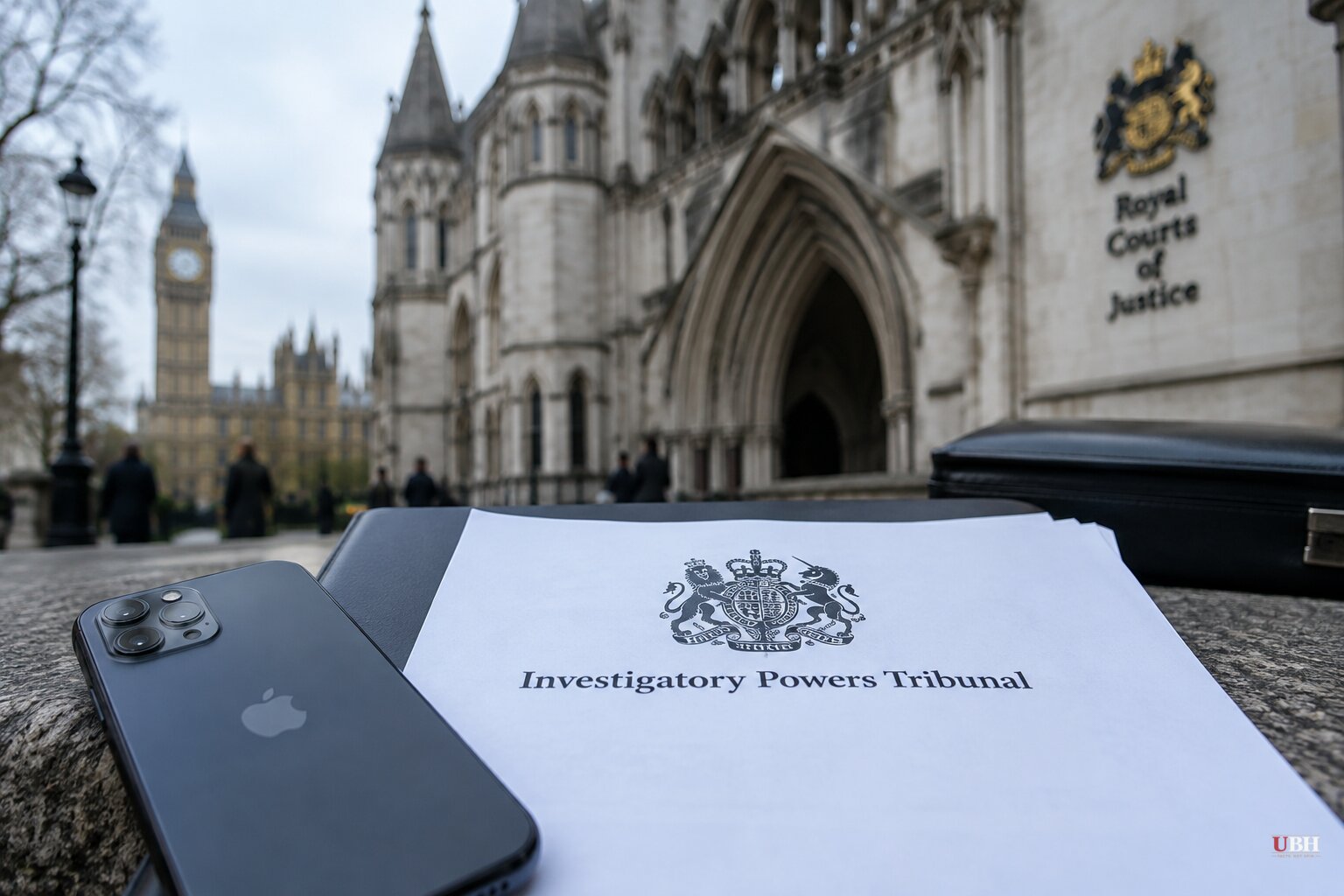
The UK government lost its fight to keep a surveillance order against Apple secret. The Investigatory Powers Tribunal, the independent court that hears challenges to state surveillance, ruled Thursday, Nov. 19, that the Home Office had not established that confirming the order's existence would damage national security.
The order is a technical capability notice (TCN), issued under the Investigatory Powers Act 2016. It can compel a company to make customer data accessible to UK security services, and recipients are barred from disclosing it.
What the tribunal said
The Home Office had relied on its standard "neither confirm nor deny" policy. The three judges said the government itself had already departed from that position in practice, through media briefings and discussions with US officials.
"The cumulative effect of these departures from NCND is that anyone with even a passing interest in this topic already knows that the respondent has served a technical capability notice on Apple," the tribunal wrote.
The judges called the idea that acknowledgment would hand a hostile actor new information "fanciful." They also said it was "abundantly clear" that briefing the White House would lead to the matter becoming public.
Liberty says this is the first known time the government has been compelled to confirm a secret technical order. Liberty brought its challenge on behalf of two individuals. Privacy International also challenged the secrecy.
How the dispute got here
The Washington Post first reported in February 2025 that the Home Office had demanded an iCloud backdoor the previous month. That original demand was reported to cover users worldwide, including Americans.
Apple responded by revoking Advanced Data Protection (ADP) for UK users in February 2025. ADP extends end-to-end encryption to iCloud backups, photos and notes. Without it, Apple holds the keys and can hand over that data in response to valid legal demands. iMessage, FaceTime, passwords and Health data stay end-to-end encrypted either way.
UK users who had not already switched ADP on cannot now enable it. Apple says it cannot turn the feature off on behalf of users who already have it. It has said those users will get a window to disable it themselves, but no deadline has been given.
US officials objected to the original order. In August 2025, Tulsi Gabbard, then director of national intelligence, announced that the UK had agreed to drop its demand for access to Americans' encrypted data.
The Financial Times reported in October 2025 that the UK had replaced its original notice with a new order focused on British users. Apple filed a second legal challenge in July 2026.
Both sides on the record
Apple told TechCrunch it welcomed the decision to make public that the Home Office issued a TCN. The company has said it has "never built a backdoor or master key" to any product or service and "never will."
The government's position is that the notice is routine. A government spokesman said: "Apple has been helping the police and intelligence agencies pursue criminals and bring them to justice for several years, in accordance with the law. This Technical Capability Notice simply requires that they maintain the ability to do so."
The spokesman added: "Decisions affecting the safety of the British public must be made by democratically elected governments and independent judges, not in the boardrooms of technology companies." According to Briefs Finance, the Home Office described the ruling as procedural.
Caroline Wilson Palow, legal director of Privacy International, called the ruling a "major victory" for transparency. She said the tribunal was right to dismiss a national security claim that lacked support.
What remains unsettled
The ruling decides only whether the government can pretend the notice does not exist. It does not decide whether the demand is lawful.
The government has not said what data it is seeking or why, and the technical requirements imposed on Apple remain secret. The tribunal has yet to decide which details of the case can be made public. A final hearing on what specific order details can be released is anticipated next year.
Privacy International lists the substantive hearing in its separate challenge for December 2026. Much of the argument over the legality of the demand can now take place in open court, in front of the public rather than behind closed doors.
Sources used for this briefing
7 links from 6 independent newsrooms (syndicated copies of the same report count once)
These are the sources it draws on, linked so you can verify.


