
Unbiased headlines. Facts, not spin.
Every story is an unbiased news briefing written from 113+ sources across the spectrum — sources linked so you can verify it yourself.
 sports
Low Interest (4/10)
October 1, 2026 at 07:24 AM
sports
Low Interest (4/10)
October 1, 2026 at 07:24 AM
UK Study Finds 6% Drop in Female Coaches Even As Top-Flight Women's Soccer Hires More Women
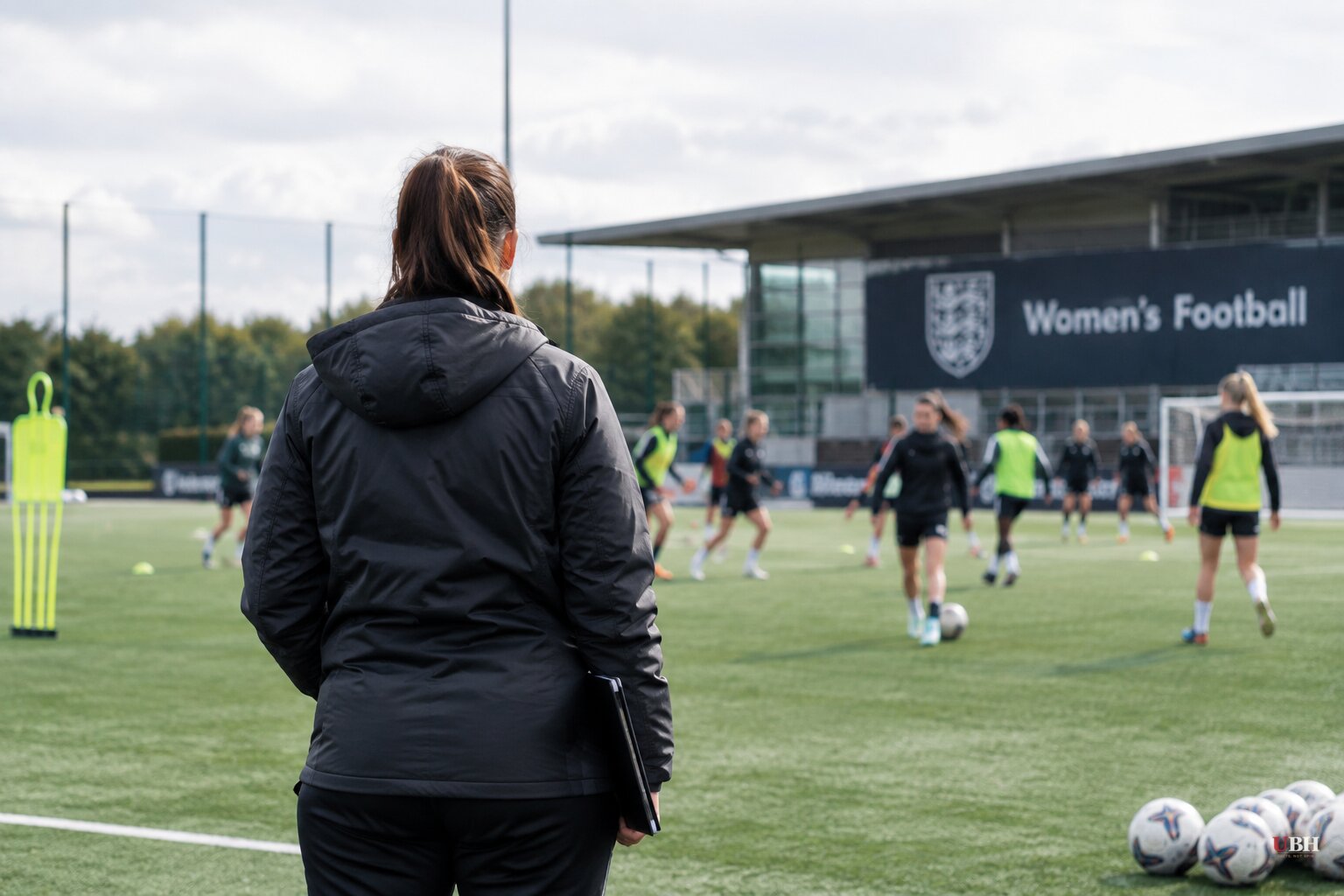
A new study from UK Coaching found the number of female coaches in Britain has dropped 6% in recent years, with a steeper 10% decline among volunteer coaches at the grassroots level, according to BBC Sport. The numbers landed the same week the Football Association released separate data on girls' football participation.
Emily Handyside, who leads UK Coaching and previously coached the Wales netball team, told BBC Sport that female coaches "must work twice as hard as a man to be respected and credible." She said the drop is happening despite recent on-pitch success and rising media coverage of women's sport in the UK.
"When people imagine a coach, they imagine a man first, people expect a man," Handyside said. "These assumptions make people feel like they don't belong there."
If girls and young coaches rarely see women running training sessions, the job looks like it isn't meant for them. But the same data set also points to something less about attitude and more about arithmetic.
The Grassroots Numbers
Only 7% of people coaching grassroots football in England are women, according to a study from the Bloomsbury Football Foundation done in partnership with the FA. That same study found 13% of teenage girls play organized football at least once a week, compared to 46% of boys. Of the girls who do play, 49% are mostly or always coached by someone of their own gender. For boys, that figure is 85%.
The FA data also found half of all girls in organized football say they'd tell a female coach something they wouldn't tell a parent or guardian. For a male coach, that number is one in eight. That's a real gap in trust and mentorship, and it's a legitimate reason the FA and UK Coaching want more women in the pipeline.
Former England international Fara Williams, speaking on the BBC's Women's Football Fallout podcast, pointed to a simpler explanation than social bias: money. "The cost to do B and A licences, and the salaries or opportunities you will get from that investment, it does not quite marry up," Williams said. "They are quite costly, those badges." She said she tried the coaching pathway herself and found it "not feasible," noting her generation of players "were not paid enough to go mortgage free."
Coaching licenses cost the same whether you're male or female. What's different is that women's football has historically paid players less, leaving female ex-pros with less capital to spend on badges that may not translate into a paying job. UK Coaching's additional research also cited bullying, harassment and unequal opportunities as barriers women face, but the study as reported doesn't break down how much of the 6% decline traces to those factors versus straight economics and childcare costs.
A Different Story At The Top
The elite picture looks nothing like grassroots. In January 2023, only 4 of 12 Women's Super League clubs had a female head coach, according to BBC Sport. Now 8 of 14 WSL managers are women, including the managers of all three newly promoted clubs: Amy Merricks at Birmingham, Crystal Palace's manager, and Karen Hills at Charlton Athletic.
Part of that shift traces directly to a new FIFA quota requiring women's teams to employ a female head coach or assistant coach. A rule forcing clubs to staff women at the top does not fix the gap at the grassroots level, where barriers including cost and childcare remain, even for former Lionesses.
Handyside told the BBC that government intervention is needed to help more women into coaching, per Yahoo Sports' coverage of the same UK Coaching findings. Neither BBC Sport nor Yahoo detailed what that intervention would look like, how much it would cost, or who would pay for it.
What's Unresolved
The FA and Bloomsbury Football Foundation have flagged the trust gap between girls and female coaches as a real problem. The FA has not detailed whether it plans to subsidize coaching badges for women, expand childcare support at training grounds, or take any specific funded action. Until a concrete proposal with a price tag shows up, "government intervention" is a request, not a plan.
Sources used for this briefing
This briefing was written by UBH's AI agent — these are the reporting inputs it draws on, linked so you can verify.


