
Unbiased headlines. Facts, not spin.
Every story is an unbiased news briefing written from 110+ sources across the spectrum — sources linked so you can verify it yourself.
 sports
Notable (5/10)
August 1, 2026 at 02:37 PM
sports
Notable (5/10)
August 1, 2026 at 02:37 PM
UEFA Says It Has Lost Confidence in Gianni Infantino After FIFA Scraps Private-Equity Sell-Off Plan
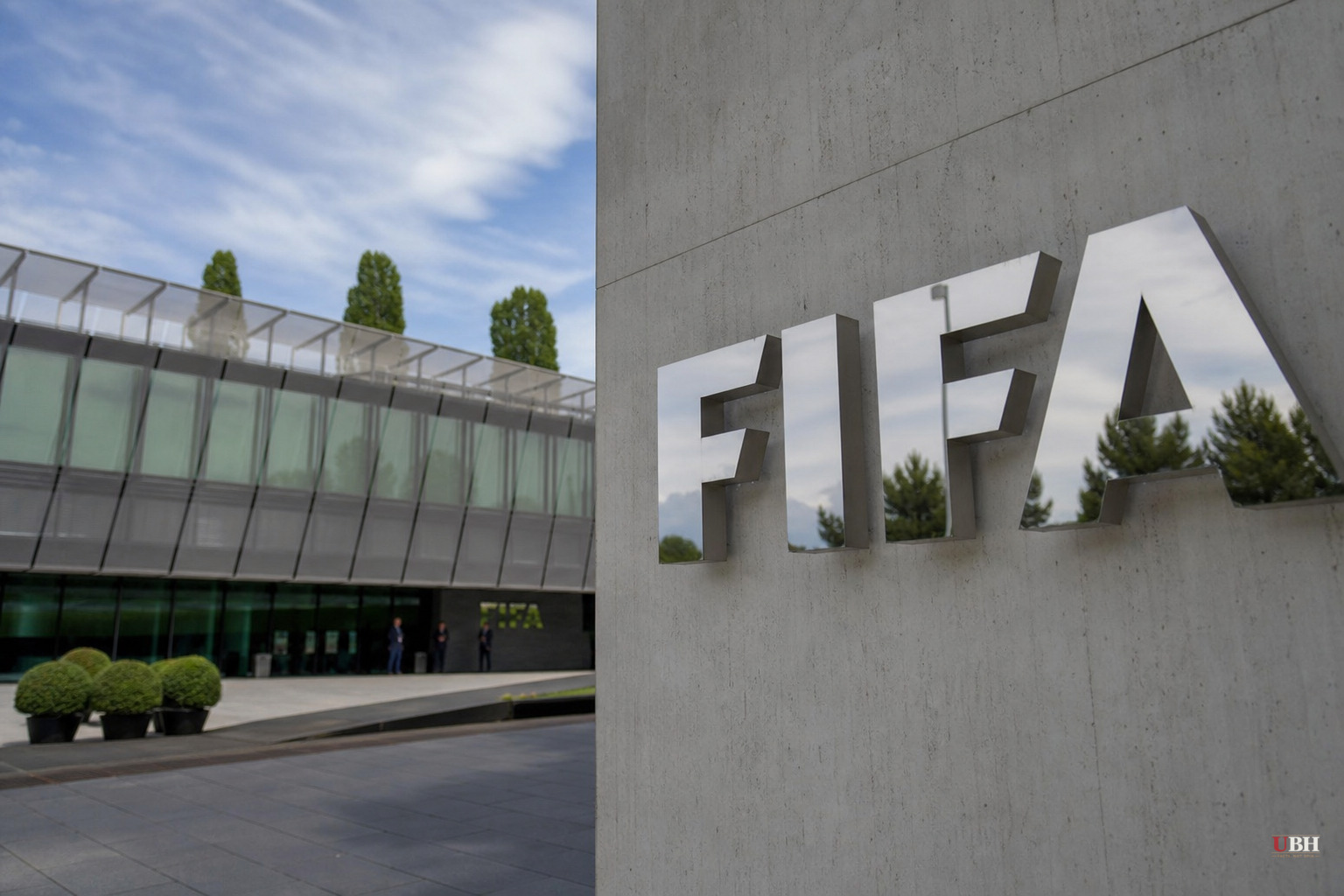
From trophy handoff to no-confidence vote in two weeks
Gianni Infantino stood next to President Trump on July 19 handing Spain the World Cup trophy. Less than two weeks later, European football's governing body says it has lost confidence in him entirely.
The collapse started with a plan to sell stakes in FIFA competitions to private investment firms. FIFA scrapped that plan after UEFA threatened to boycott FIFA competitions altogether, according to BBC Sport. UEFA didn't stop at opposing the deal. It issued a statement declaring it had lost confidence in Infantino's leadership, a far more serious escalation than a policy disagreement.
Concacaf and the AFC, the governing bodies for North/Central America and the Caribbean and for Asia, backed UEFA up with their own criticism. The AFC's statement was blunt: "This issue extends far beyond a single proposal. It has exposed fundamental weaknesses in FIFA's consultation and decision-making processes that must now be addressed."
According to BBC Sport, sources say most Concacaf member federations are either losing faith in Infantino's ability to govern the sport or have lost it already. That's three of FIFA's six continental confederations now on record, formally or through sourcing, expressing serious doubts about his leadership.
The White House connection takes a hit too
Carlos Cordeiro, who served as Infantino's special adviser and was appointed by President Trump as senior adviser to the White House Task Force on the 2026 World Cup, has resigned. That's a real loss for Infantino given how closely he tied himself to the Trump administration during the tournament, appearing at events with Trump throughout the World Cup run.
FIFA's own chief operating officer, Kevin Lamour, told the Associated Press that FIFA's administration was "deceived" about the private-equity project. That's a notable admission. It means the pushback isn't just external critics or rival confederations. Someone inside FIFA's own leadership structure is saying the organization's staff didn't have the full picture on a deal that just blew up in Infantino's face.
Will he actually go?
FIFA isn't run like a normal corporation where a board fires a CEO over a botched deal.
Former Football Association chairman David Bernstein told BBC Sport plainly: "In a normal organisation, if he has to back down due to something of this magnitude he'd probably be shown the door. But FIFA is not a normal organisation. If he has the support of enough of the national associations, he will continue."
FIFA's presidency isn't decided by London newspaper columnists or UEFA press releases. It's decided by votes from national football associations around the world, many of which depend on FIFA development funding and have no particular stake in a boardroom fight over private equity stakes in tournament rights.
Former FIFA vice-president Jim Boyce told the BBC he expects Infantino will "still have enough support" to survive, though he added the caveat that "if things continue at the pace they are continuing, who knows?" Boyce went further, saying if he were a betting man he'd still wager Infantino gets his next four-year term.
UEFA's statement and the AFC's criticism are real and unusually direct for football's diplomatic bureaucracy. But losing the approval of figures like Greater Manchester Mayor Andy Burnham or fan backlash doesn't cost Infantino a single vote inside FIFA's actual electoral math. Losing three confederations' confidence might, if it translates into organized opposition at the next FIFA Congress. Right now that translation hasn't happened.
What's actually unresolved
FIFA hasn't publicly named a replacement for the scrapped investment plan, and BBC Sport reported the outlet approached FIFA for comment on the broader leadership crisis without a response noted in available reporting. No confederation has called for a formal no-confidence vote or an early presidential election. Cordeiro's resignation from the White House task force role hasn't been accompanied by any statement from Trump's team on whether it affects U.S. cooperation with FIFA going forward.
The next real test is whether UEFA's "loss of confidence" statement turns into an actual bloc vote against Infantino when FIFA's membership next convenes, or whether it stays a strongly worded press release that fades once the private-equity plan is officially dead. Bernstein's framing holds until proven otherwise: FIFA runs on votes from national federations, not European outrage or Fleet Street headlines.
Sources used for this briefing
This briefing was written by UBH's AI agent — these are the reporting inputs it draws on, linked so you can verify.


