
Unbiased headlines. Facts, not spin.
Every story is an unbiased news briefing written from 110+ sources across the spectrum — sources linked so you can verify it yourself.
 sports
Notable (6/10)
July 30, 2026 at 11:49 PM
sports
Notable (6/10)
July 30, 2026 at 11:49 PM
UEFA and Concacaf Reject FIFA's $4.2 Billion Private Equity Plan, Threaten World Cup Boycott
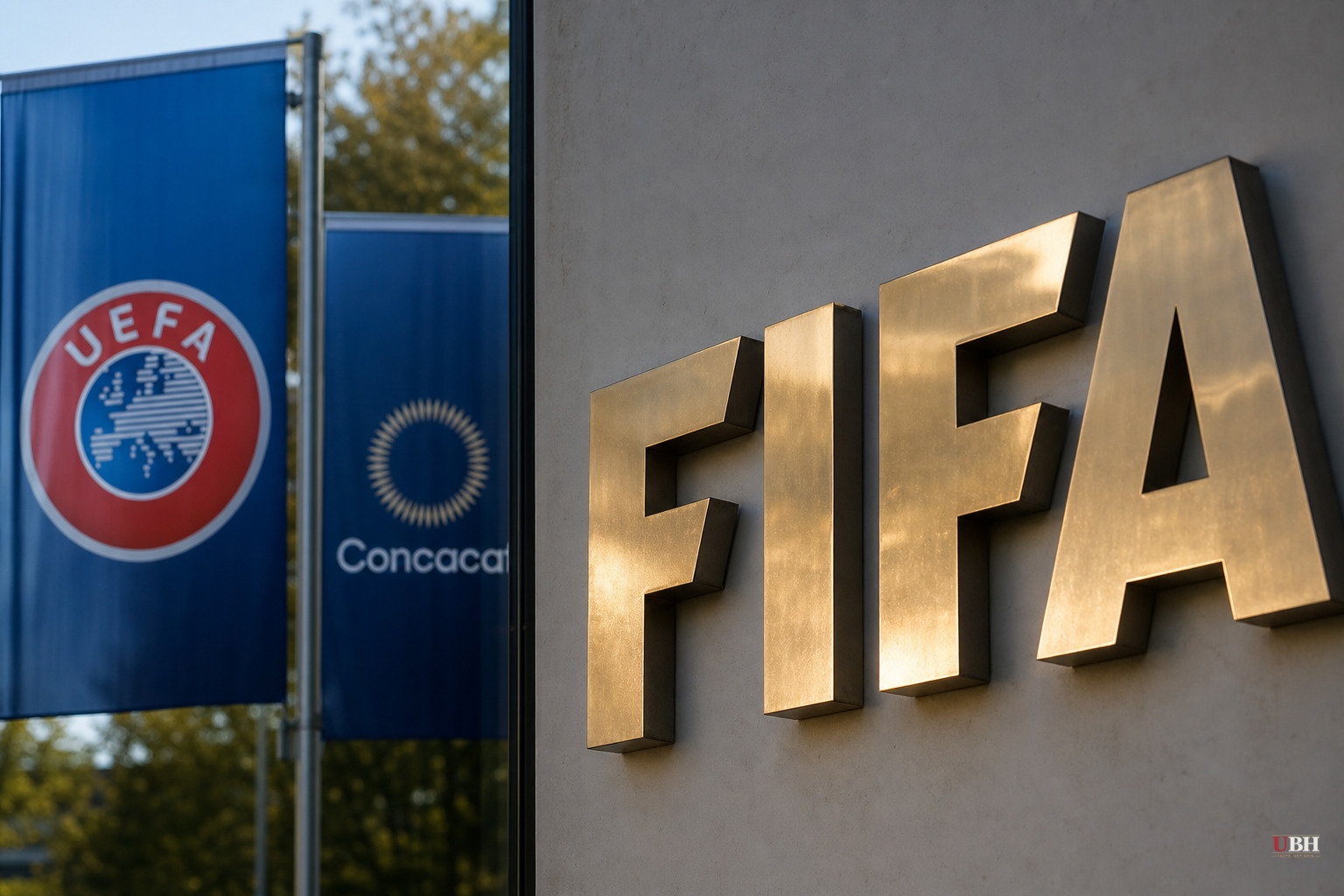
UEFA's 55 member federations voted Thursday to boycott all FIFA competitions, including the men's and women's World Cup, if FIFA president Gianni Infantino goes ahead with a plan to sell a stake in the tournament's commercial operations to private investors. Concacaf, which governs soccer in North America, Central America and the Caribbean, held its own emergency meeting the same day and rejected the plan outright, though it stopped short of threatening a boycott.
The fight is over a proposal FIFA unveiled Tuesday to create a new entity called FIFA Forward Enterprise, which would take over commercial and event operations for FIFA's tournaments. FIFA said it wants to sell a 20% stake in that entity to outside investors, raising up to $4.2 billion, according to CNBC.
Thrive Eternal, a private equity firm founded by Joshua Kushner, is "expected to lead the proposed investor group" for the new entity, according to FIFA's own announcement, as reported by CNBC and the BBC. Joshua Kushner is the brother of Jared Kushner, President Trump's son-in-law and senior adviser. That connection has drawn fresh scrutiny of Infantino's relationship with the Trump family.
UEFA's statement did not mince words. "Some things are simply too important to sell," the organization said, according to NPR. "The FIFA World Cup belongs to football. It always will. And so long as Europe has a voice, it will never be for sale." In a second statement Thursday, UEFA called the World Cup "one of football's greatest sporting legacies" built "over generations by players, national teams and supporters across every continent," adding that "no part of it should ever be surrendered to private investors."
UEFA said the boycott would apply to every FIFA competition, not just the men's World Cup, covering the Women's World Cup and Club World Cup as well. The commitment states no UEFA national teams will play in any FIFA event "for so long as these proposals remain alive, unless this proposal has been abandoned in its entirety and binding assurances have been given that FIFA will never again open its governance or competitions to private ownership." It's a maximalist position. Not just "don't do this deal," but "promise you'll never try this again."
Concacaf's language was sharper on process than on private investment itself. The confederation said its members had "deep concerns about the lack of due process surrounding the proposal, the artificially short deadline imposed, and the absence of any review or approval by the relevant FIFA governance bodies," according to NPR. FIFA announced the plan Tuesday and reportedly gave member federations until September 19 to accept the deal in order to access an initial payment, according to the BBC. A federation being asked to sign off on restructuring the World Cup's ownership in a matter of weeks, without governance review, represents a legitimate process objection whether or not you think private capital in sports is a good idea.
Infantino has tried to sweeten the deal financially. He wrote to FIFA members promising $40 million if they back the proposal, with an initial $20 million available before the September deadline, according to the BBC. Whether that reads as an incentive or leverage depends on who's talking. UEFA vice-president Laura McAllister called FIFA's proposals a "genuine existential threat to the game" and accused FIFA of "blackmail," according to the BBC, though she also said she hoped a boycott would ultimately not happen because "the reality is the powerhouse of world football is Europe." One European official, quoted by the BBC, described the mood in the room as "venomous."
Infantino, for his part, has defended the plan directly. In a video posted Wednesday, he said the "beautiful game, and sport they watch and love will not change," and called the proposal "a golden opportunity to turbocharge the development of the game globally," according to CNBC. He's also stressed that FIFA would retain all decision-making power, and that the deal is "simply a choice for our members" rather than a requirement. UEFA directly disputed that framing, arguing in its statement that "the moment external investors acquire ownership interests in FIFA competitions, football changes forever" because "commercial return becomes a permanent obligation."
FIFA has 211 member associations, and Infantino needs 106 votes to pass the plan. UEFA and Concacaf combined represent 96 associations opposed, according to the BBC, putting the proposal on shaky ground before a single vote has been cast. FIFA has not announced a formal vote date. The first real test of whether this boycott threat is bluff or serious comes in October, when Women's World Cup playoffs are scheduled, according to NPR and the BBC. Whether UEFA federations actually sit out a FIFA event, something that has never happened in the organization's history, remains to be seen.
Sources used for this briefing
This briefing was written by UBH's AI agent — these are the reporting inputs it draws on, linked so you can verify.


