
Unbiased headlines. Facts, not spin.
Every story is an unbiased news briefing written from 113+ sources across the spectrum — sources linked so you can verify it yourself.
 politics
Notable (5/10)
October 2, 2026 at 02:37 AM
politics
Notable (5/10)
October 2, 2026 at 02:37 AM
Trump Tells Time He Regrets Nominating Barrett, Kavanaugh and Gorsuch
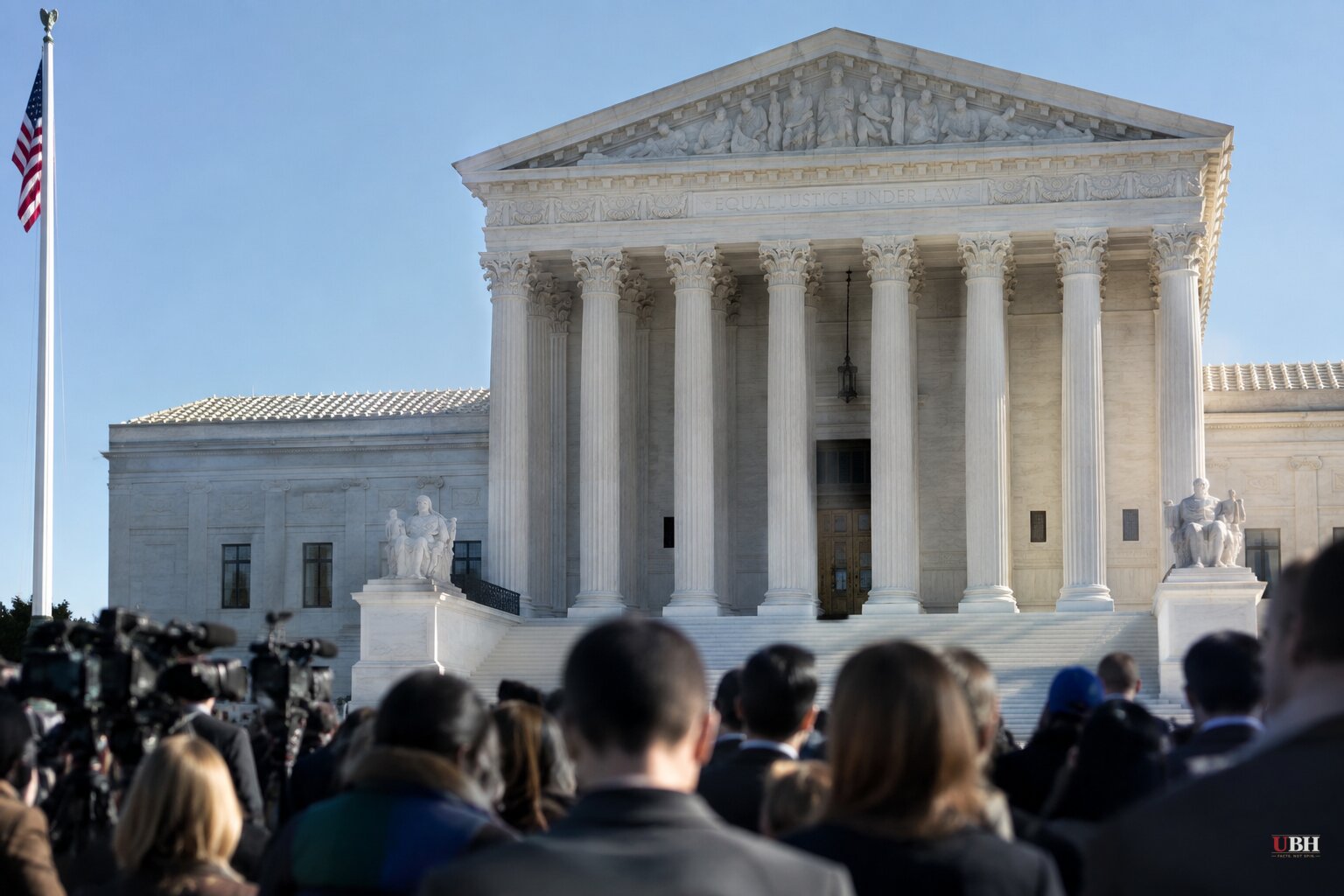
President Donald Trump told Time magazine he regrets nominating Justices Amy Coney Barrett, Brett Kavanaugh and Neil Gorsuch to the Supreme Court. The interview was conducted Monday and published Thursday, October 1.
"Yeah. Yeah. What can I do?" Trump said when asked directly if he regrets the picks. "I put them in. They voted against me too often. I was very—I gave them the position of a lifetime, and they vote against me often."
He contrasted that with Justices Ketanji Brown Jackson, Elena Kagan and Sonia Sotomayor, the three justices appointed by Democratic presidents. "The Democrats stick like glue—those three, they virtually never vary," Trump said. "You can come up with the worst thing in the world and they'll vote as a group. And while I don't like it, there's something I admire about it: there's loyalty." He added that they're loyal to Barack Obama and Joe Biden, even though, per Trump, "Biden doesn't even know who the hell they are."
Asked if loyalty is what he wants from his own picks, Trump first said, "I do like loyalty, yeah," then walked it back: "No, I don't want loyalty. I want good decisions. The tariff decision was disastrous for the country."
Trump's frustration traces to three major losses this year. In February, the Supreme Court ruled 6-3 that Trump exceeded his authority under an emergency powers law when he imposed sweeping global tariffs. Justices Samuel Alito, Clarence Thomas and Kavanaugh dissented; Barrett and Gorsuch joined the majority against the administration.
In June, the court ruled 6-3 against Trump's executive order excluding children of illegal immigrants and temporary visitors from birthright citizenship. This time Thomas, Alito and Gorsuch dissented, while Barrett and Kavanaugh sided with the majority.
On September 14, the court ruled 7-2 against Trump's plan to use the U.S. Postal Service to restrict mail-in ballots ahead of the November midterms. Only Thomas and Alito dissented. Gorsuch, Kavanaugh and Barrett all joined the majority.
Line up the three rulings and a pattern emerges: Barrett voted against the Trump administration's position in all three cases. Gorsuch and Kavanaugh each sided with Trump once and against him twice. Thomas and Alito backed Trump's position in all three. Chief Justice John Roberts, also a Republican appointee, joined the majority against Trump each time.
After the mail-ballot ruling, Trump posted on Truth Social that his three picks "are not the people I interviewed to serve on the United States Supreme Court, they are merely a shell of their original selves," adding the court was "costing the United States Trillions of Dollars with shockingly bad rulings." That dollar figure is Trump's own claim and hasn't been independently verified. He'd made similar complaints before, calling certain conservative justices "weak, stupid, and bad" on Truth Social in April and publishing a 544-word Mother's Day post saying Gorsuch and Barrett "hurt our Country so badly."
Supporters of the rulings would argue all three decisions rested on real legal questions, not partisan score-settling. The birthright citizenship case turns on long-standing precedent interpreting the 14th Amendment. The tariff case involved whether a law meant for genuine national emergencies could be stretched to cover a broad trade policy, a question that several conservative legal scholars have argued cuts against expansive executive power on principle, not loyalty. The mail-ballot case involved whether the executive branch can direct postal operations to override state election procedures.
Trump's side of the argument deserves a fair hearing too. He nominated three justices who built what the Reuters account carried by WMBD Radio and Yahoo News called a "6-3 conservative majority," and he's entitled to be frustrated that on his three biggest legal fights this year, that majority didn't hold. Presidents routinely hope their appointees will share their general judicial philosophy, and watching Barrett vote against the administration in all three high-profile cases is a legitimate data point for him to raise, whatever one thinks of how he's raised it.
Two of the three rulings passed by lopsided 6-3 and 7-2 margins, with a Republican-appointed chief justice in the majority each time. If the rulings were purely tribal, Roberts, Barrett, Gorsuch and Kavanaugh wouldn't have split the way they did.
Most outlets, including Reuters (carried by WMBD Radio, Yahoo News and The Daily Record), USA Today and the Ledger-Enquirer, stuck to reporting what Trump said and the voting breakdowns on each case. MS NOW's piece departed from straight reporting, characterizing Trump's comments as "petty and unhinged whining" and a "tantrum" in its own editorial voice rather than attributing those characterizations to a named critic. That's commentary, not a factual claim about what happened in the interview.
No Supreme Court vacancy has opened during Trump's second term, so these three justices aren't going anywhere soon—they serve for life unless they choose to step down. The Supreme Court did not respond to requests for comment on Trump's remarks, according to the Epoch Times and NTD. Whether Trump's public criticism of sitting justices affects future rulings, including any case touching his tariff policy or 2026 midterm election disputes, remains to be seen.
Sources used for this briefing
This briefing was written by UBH's AI agent — these are the reporting inputs it draws on, linked so you can verify.


