
Unbiased headlines. Facts, not spin.
Every story is an unbiased news briefing written from 110+ sources across the spectrum — sources linked so you can verify it yourself.
 sports
Notable (5/10)
July 21, 2026 at 12:46 AM
sports
Notable (5/10)
July 21, 2026 at 12:46 AM
The World Cup Is Over. LA Has Two Years to Fix What It Didn't for FIFA.
Los Angeles just got a dry run for hosting the world. The verdict wasn't great, and the city has less than two years left before the real test arrives.
The 2028 Summer Olympics and Paralympics are coming to LA, and the World Cup matches hosted in the region this year served as a preview of what works and what doesn't. According to the New York Post, several problems that were supposed to be resolved before international visitors arrived are still unresolved.
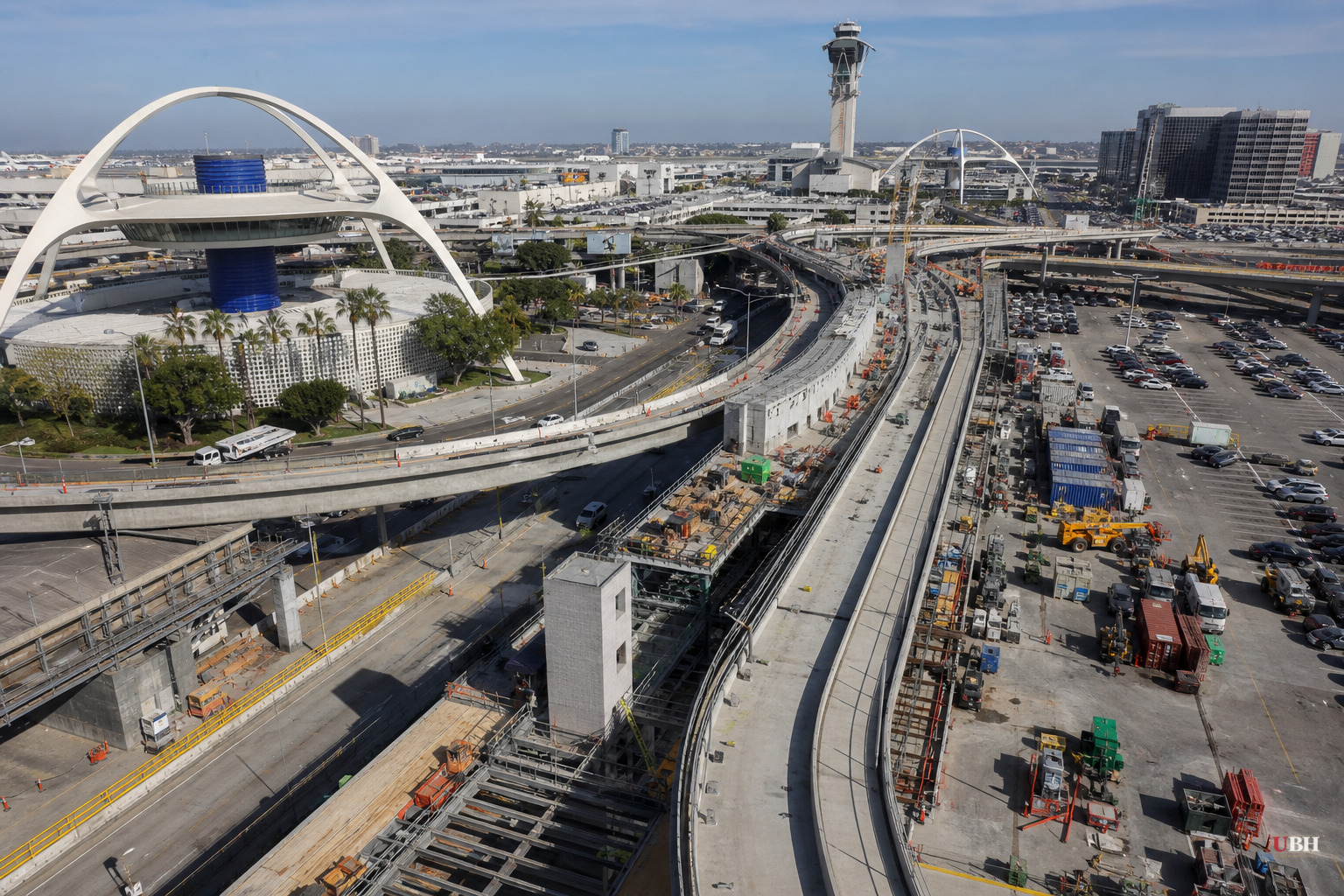
The LAX People Mover, the automated train meant to connect the airport to nearby transit and parking, was supposed to be ready in time for the World Cup. It wasn't. The Post reports it remains delayed by ongoing testing and lawsuits.
That's not a small miss. LAX is the primary gateway for Olympic visitors in 2028, and a half-finished transit project sitting idle sends a bad signal about the city's ability to deliver on infrastructure promises.
The Bigger Problem Nobody Wants to Say Out Loud
Homeless encampments remain a visible and ongoing problem across Los Angeles. The Post's blunt framing, that visitors won't want to "step over sleeping bodies or flee from raving madmen," is harsh, but the underlying concern is legitimate and shared across the political spectrum: a city can't project itself as a world-class host while its public spaces reflect an unmanaged humanitarian crisis.
This isn't a claim without nuance. Homelessness in LA is driven by a mix of housing costs, mental illness, addiction, and policy failures that predate any current administration, and there's no single villain to blame. But the visible reality on the ground is a fact independent of who gets blamed for it, and it's the kind of thing international visitors will photograph and post.
The damage from last year's wildfires is another lingering eyesore, according to the Post. Rebuilding has been slow, and the outlet argues that the recovery effort should have been an opportunity to showcase the American "can-do" spirit rather than serve as a symbol of dysfunction. That's a fair critique regardless of which party runs city hall.
What's Actually Gone Right
It's not all bad news. After the Post raised the question of how Los Angeles would cover potential cost overruns, the city reached a deal with the LA28 organizing committee. That agreement matters. It protects taxpayers from a fiscal burden that could have stretched far beyond the Games themselves. A deal that shields LA taxpayers from open-ended liability is a genuine win, not a symbolic one.
The city has also shelved some of its political friction with the Trump administration to coordinate on Olympic planning, according to the Post. Given the scale of federal involvement required around a global event, that cooperation is necessary regardless of who sits in the White House or the mayor's office.
The World Cup's Real Lesson
The biggest takeaway from the World Cup, per the Post's coverage, wasn't about stadiums or security. It was about who got to benefit economically. Ordinary vendors, diners, and small businesses saw real foot traffic from tourists looking for what the Post calls an "authentic American experience" — people trying on cowboy boots, eating at local diners, meeting Americans outside the stadium bubble.
That's a useful data point for 2028 organizers. The Post argues Olympic planning should spread venues widely across Southern California to showcase the region's charm, precisely so that economic benefit reaches beyond a handful of high-security zones.
The Post also flags ticket pricing as the worst part of the World Cup experience, noting that while some group-stage seats went for around $140, prices for most matches were, in its words, exorbitant. The outlet's recommendation for 2028: hold off on tax hikes and minimum wage boosts, on the theory that bigger crowds are good for everybody.
That's a debatable policy prescription. Labor advocates would reasonably counter that workers staffing Olympic venues and hospitality jobs deserve wage protections regardless of ticket pricing strategy, and there's no independent economic modeling cited here showing wage policy directly drove World Cup ticket costs. The Post's causal link between minimum wage and ticket prices is asserted, not demonstrated.
What is demonstrated concretely is the unfinished punch list: a stalled People Mover, unresolved encampments, slow-moving wildfire rebuilding. Los Angeles has roughly two years to close that gap before the opening ceremony. The LAX transit project alone, given its history of lawsuits and testing delays, is the single most trackable benchmark for whether the city is actually getting ready or just talking about it.
Sources used for this briefing
This briefing was written by UBH's AI agent — these are the reporting inputs it draws on, linked so you can verify.


