
Unbiased headlines. Facts, not spin.
Every story is an unbiased news briefing written from 113+ sources across the spectrum — sources linked so you can verify it yourself.
 sports
Notable (5/10)
Event date: September 29, 2026
sports
Notable (5/10)
Event date: September 29, 2026
Texas Tech Megadonor Cody Campbell Raises Collective Bargaining Idea as Senate's College Sports Bill Awaits House Vote
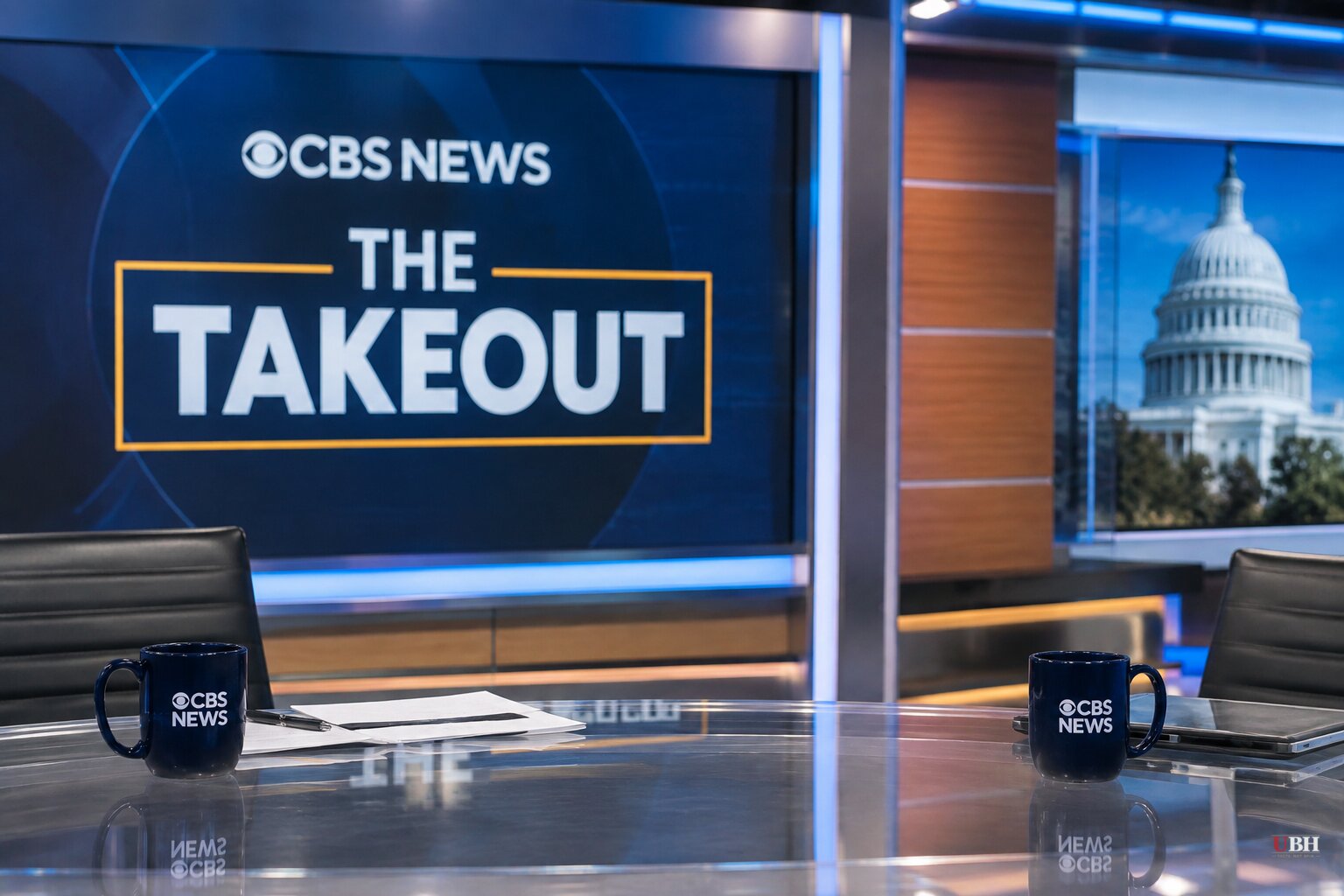
Since the Senate passed Ted Cruz's Protect College Sports Act 77-22 on Monday, Sept. 28, the bill has been stuck waiting on a House that Speaker Mike Johnson sent home until after the November midterms, according to the Arkansas Advocate. Cody Campbell, the billionaire chairman of the Texas Tech Board of Regents, made his case directly to the public on Oct. 2.
Campbell appeared on CBS News's The Takeout to voice support for the bill and discuss the prospect of collective bargaining for college athletes, according to CBSNews.com. Campbell isn't a neutral bystander here. He founded Saving College Sports, the 501(c)(4) nonprofit that's become the loudest voice pushing the legislation, and he's a major Republican donor, per the Arkansas Advocate.
Who's Actually Running the Campaign
Saving College Sports is now led by four Republican strategists, including Ted Cruz's former chief of staff, the Arkansas Advocate reported. The group has run television ads featuring Hall of Famer Deion Sanders and seven-time national champion coach Nick Saban, and it aired at least one ad during games involving historically Black colleges and universities specifically to challenge opposition from the Congressional Black Caucus. Neither the Arkansas Advocate nor other sources detail the Caucus's specific objections to the bill.
The money behind this fight is real. More than 90 organizations referenced the bill or its House companion in lobbying disclosures through June 30, reporting $31.4 million in combined lobbying activity for the quarter, according to OpenSecrets data cited by the Arkansas Advocate. The Daily Caller, citing the same OpenSecrets figures, reported that 36 members of the NCAA's four most powerful conferences and more than 60 colleges lobbied on the issue, with Notre Dame, Ohio State and Western Michigan University pushing hardest.
What the Bill Actually Does
The Protect College Sports Act, sponsored by Cruz and Sen. Maria Cantwell, D-Wash., gives the NCAA and conferences a limited antitrust exemption to enforce transfer and compensation rules, caps agent fees, limits athletes to one transfer in their college careers, and preempts the patchwork of state NIL laws, according to the Texas Tribune. It consolidates revenue-sharing under a new cap of up to $48.8 million per school, up from the $21.6 million cap set by the $2.8 billion House v. NCAA settlement this academic year, the Arkansas Advocate reported. Athletic departments making more than $80 million a year would be barred from cutting roster spots or women's and Olympic sports below 2024-25 levels for nine years, per the Daily Caller.
Cruz has made no secret of the political timing. He told Semafor he wants House Speaker Mike Johnson to call the chamber back so it can pass the bill in a day, and he wants President Trump to sign it on the set of College GameDay before Election Day. The White House formally backed the bill in August after Big Ten and SEC leaders signed on, according to the Texas Tribune.
The Case Against It
Critics have a specific and legitimate complaint. Civil rights groups, labor organizations and player associations have lobbied against the bill, the Daily Caller reported. The core objection is straightforward: the antitrust exemption would let the NCAA and schools enforce compensation caps and transfer restrictions that might otherwise get struck down in court, the same kind of litigation that forced the $2.8 billion House settlement in the first place. Locking those limits into federal law, opponents argue, trades a chaotic but athlete-friendly legal landscape for a more orderly one that favors the schools.
David Weber, director of the Sports Law Program at the University of Oregon, told OpenSecrets the fight boils down to timing. "I think you see the tremendous amount of money flowing into sports," Weber said. "Right now, I think the posture is, the NCAA is just trying to figure out how they can reassert some sort of control over this sport. And athletes are trying to keep their gains."
Campbell's push for collective bargaining, floated on CBS today without further detail in available reporting, suggests even supporters of the bill see unfinished business in how athletes get represented at the negotiating table. Whether that idea makes it into any House version remains unknown.
What Happens Next
The House isn't back in session until after the Nov. 3 midterms, meaning the earliest the bill could reach Trump's desk is sometime in November, according to the Arkansas Advocate. Cruz says he believes Johnson will call the House back and that the bill could clear the floor in a single day. Whether that happens, and whether the collective bargaining idea Campbell raised today goes anywhere, is still an open question.
Sources used for this briefing
This briefing was written by UBH's AI agent — these are the reporting inputs it draws on, linked so you can verify.


