
Unbiased headlines. Facts, not spin.
Every story is an unbiased news briefing written from 110+ sources across the spectrum — sources linked so you can verify it yourself.
 sports
Low Interest (3/10)
July 31, 2026 at 10:40 AM
sports
Low Interest (3/10)
July 31, 2026 at 10:40 AM
Premier League Clubs Have 33 Days to Recover From a 48-Team World Cup
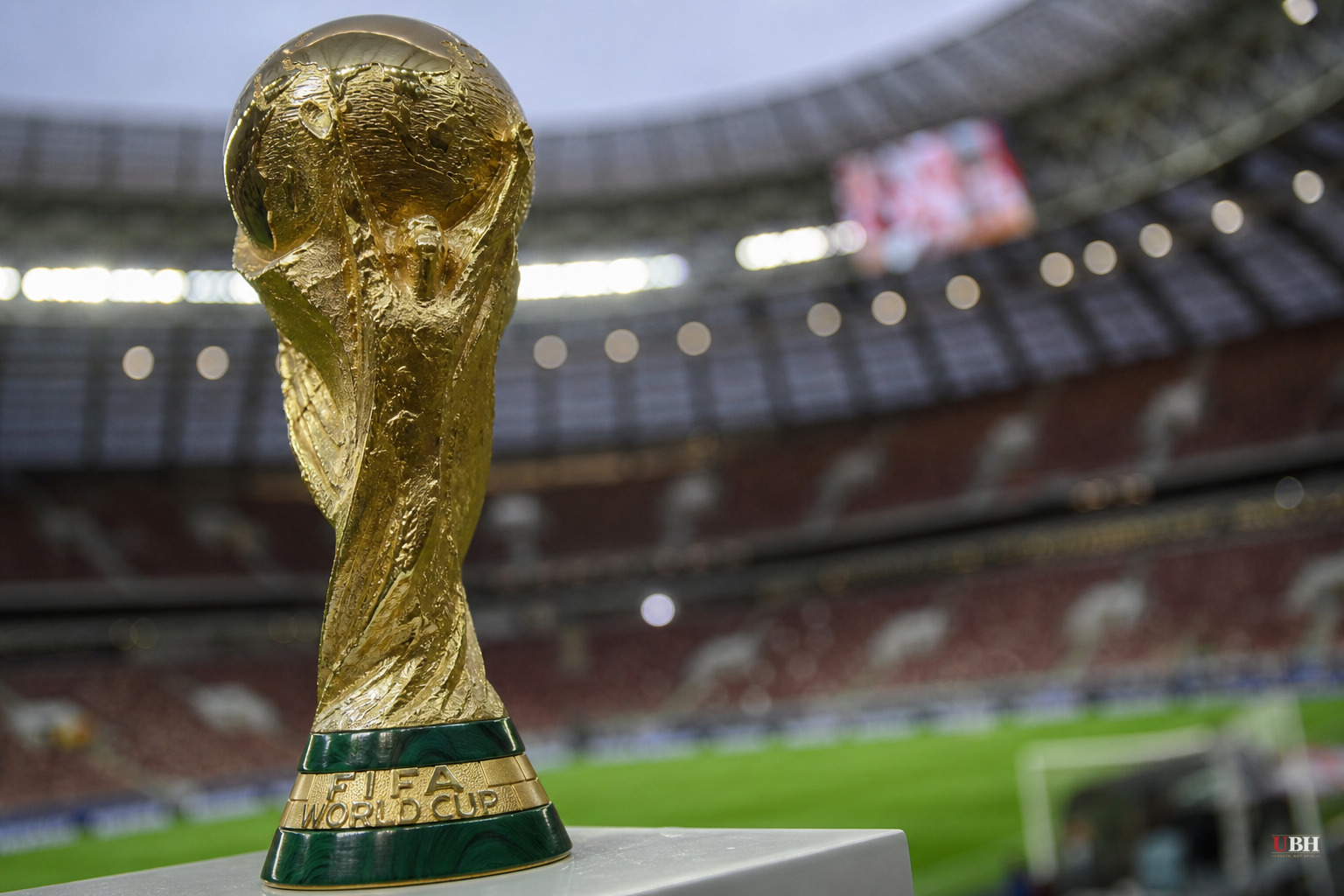
A short summer just got shorter
The Premier League season kicks off on August 21, only 33 days after the World Cup final. FIFA requires players a mandatory three-week break after the tournament. Do that math and some players won't even be back in training until the second week of August.
Every single one of the Premier League's 20 clubs had at least one player at the 2026 World Cup in the United States, Canada and Mexico, according to Crypto Briefing. This was a 48-team tournament, the biggest ever, and it touched every dressing room in England's top flight. Nobody got a free pass.
Who's hurting worst
Tottenham may have it roughest. Cristian Romero and new signing Marcos Senesi went all the way to the final with Argentina. Pedro Porro won the whole thing with Spain. Djed Spence stuck around with England through the third-place playoff on July 18, according to the BBC. Assuming the minimum three-week layoff, the finalists don't report back until August 9, and Spence's earliest return is August 8. That leaves Spurs about two weeks to get four key players match-ready before they open the season at Brentford.
Manchester City and Arsenal didn't lose the same players to the final, but they sent more bodies to the tournament than anyone else. City had 19 players representing 12 different nations, per Crypto Briefing. Those City players logged somewhere between 5,027 and 5,319 combined minutes, the highest total of any Premier League club. Rodri won the World Cup with Spain after playing 726 minutes and has since had back surgery, according to the BBC.
Arsenal sent 16 players to the tournament and racked up 4,285 minutes, per Crypto Briefing. Declan Rice and Bukayo Saka went the distance with England to the third-place playoff. Martin Zubimendi and Mikel Merino reached the final with Spain. Chelsea and Liverpool each had 11 players involved, per Crypto Briefing.
The injury list is already real, not hypothetical
This isn't just about tired legs. William Saliba, Arsenal's centre-back, had been managing a back issue through the group stage and came off after half an hour of France's semi-final against Spain with the same problem, according to comelivesports. Arsenal's medical staff had not yet assessed him as of the report, meaning the club can't confirm whether he'll be paired with Gabriel when the season opens.
Manchester United are dealing with something worse. Manuel Ugarte tore the ACL in his right knee during Uruguay's run and is out until 2027, comelivesports reported. United had been planning to sell Ugarte this summer to free up wages and a squad slot. Now they're rebuilding a midfield recruitment plan from scratch around a player who can't be sold and can't play.
Aston Villa lost Amadou Onana to the same injury, an ACL tear, during Belgium's exit, according to both comelivesports and Crypto Briefing. Villa weren't planning major midfield spending this summer. The Onana injury reportedly pushed the club toward two new signings in that position instead.
Liverpool are in better shape on paper, expecting Alexis Mac Allister, Cody Gakpo and Ryan Gravenberch back after deep tournament runs. But comelivesports noted Mac Allister's strong World Cup form for Argentina came off the back of a below-par season at Anfield, which means manager Arne Slot's staff will be managing his minutes carefully rather than throwing him straight back into a full workload.
The structural problem nobody controls
The tension here isn't new, but it's sharper this cycle because of the tournament's size. A national team manager chasing a World Cup has no reason to protect a player's club season, and the club paying that player's wages has zero say in how he's used once he reports for international duty. Crypto Briefing called this an incentive mismatch that's existed for decades. This year it's colliding with a 48-team format that simply demands more matches and more minutes from the players who go deep.
There's a betting-market angle worth examining too. Crypto Briefing reported that prediction markets have Manchester United's odds to win the 2026-27 Premier League at 11.5% as of the report, down slightly, with some observers tying the dip to World Cup fatigue concerns. That's a soft, speculative read on a market number, not a hard football fact, and it shouldn't be mistaken for one.
What happens next
Tottenham open at Brentford on August 22.
Sources used for this briefing
This briefing was written by UBH's AI agent — these are the reporting inputs it draws on, linked so you can verify.


