
Unbiased headlines. Facts, not spin.
Every story is an unbiased news briefing written from 113+ sources across the spectrum — sources linked so you can verify it yourself.
 sports
Low Interest (4/10)
October 6, 2026 at 04:47 AM
sports
Low Interest (4/10)
October 6, 2026 at 04:47 AM
Japan's Women Wrestle Sumo in Record Numbers While Officially Barred From Its Sacred Ring
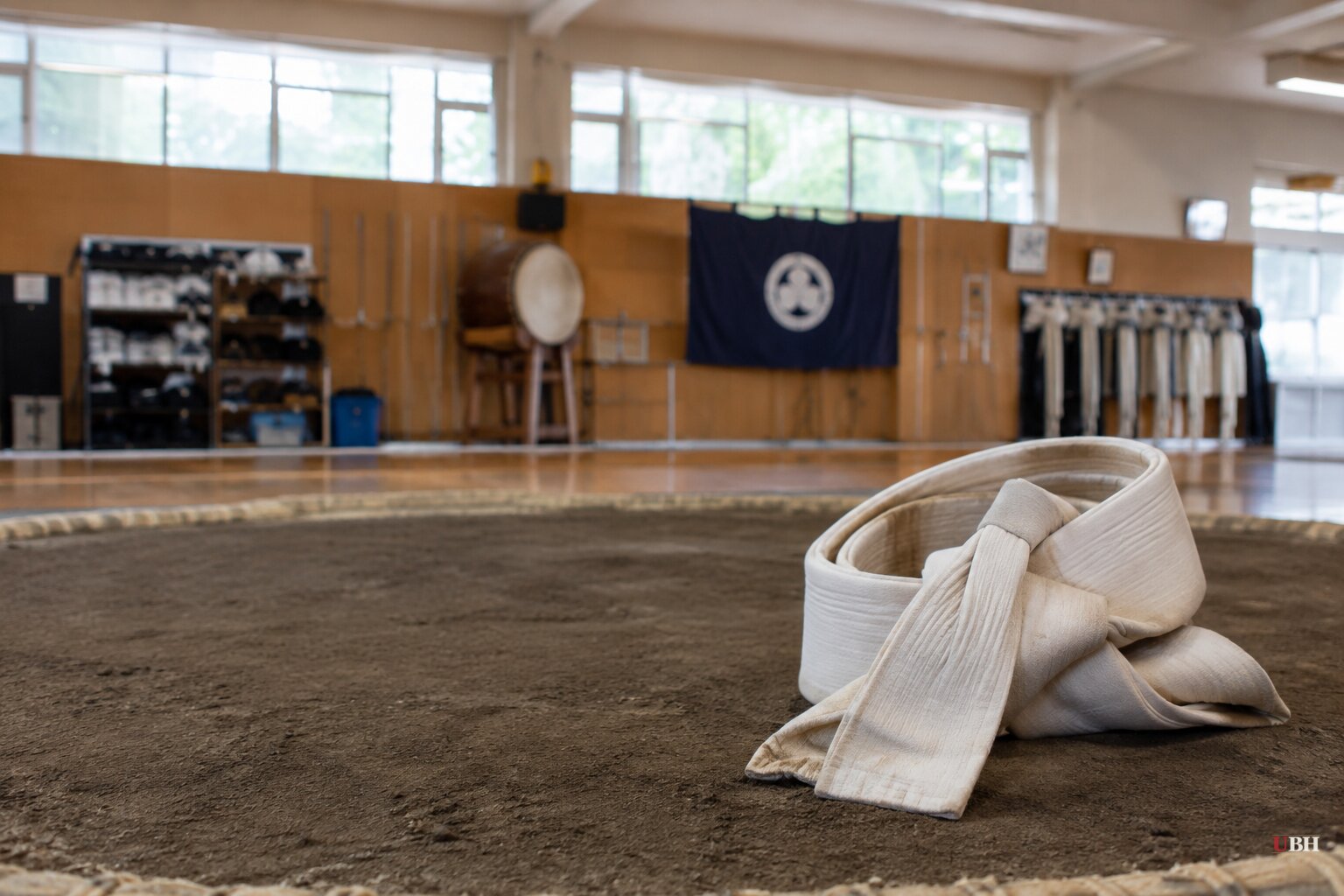
In Kyoto, inside a hall attached to Japan's oldest martial arts performance venue built in 1899, more than 100 women and girls showed up on a rainy Sunday to wrestle sumo, according to the Times of India. They wore wrestling singlets under the traditional mawashi belt and competed in a ring built to look exactly like a sumo dohyo.
It isn't one.
Women are barred from setting foot on an official sumo dohyo, a rule rooted in Shinto beliefs that associate menstruation with ritual impurity, the Times of India reported. The dohyo is treated as consecrated ground, not just a competition mat.
More than 600 women across over 70 clubs practice sumo in Japan today, training in gyms, schools, and university clubs that build their own rings to sidestep the religious restriction entirely.
A Sport With a Longer History Than the Ban
Sumo's relationship with women is older and messier than a simple story of exclusion. Historical research cited by the Times of India suggests women participated in sumo as far back as the fifth century, and the sport saw real popularity among women during the Edo period, from 1603 to 1868, and again in the early 20th century.
Women's sumo was banned outright in 1926 on moral and traditional grounds, according to the report. It took more than 70 years for organized women's sumo to return, re-emerging in 1997. Even then, it came back as a parallel, unofficial track, not as part of the sport's governing structure.
The Japan Sumo Association, the body that runs professional sumo and controls access to the dohyo, still does not recognize women's sumo, the Times of India reported. That leaves private clubs, schools, and universities to keep the sport alive on their own, often with no institutional funding or path to the kind of national recognition male wrestlers get.
"It's No Sport for Women"
Asked about women's sumo at the Asian Games wrestling venue, a senior Japan Wrestling Association official laughed before dismissing the sport, telling the Times of India: "It's no sport for women." The official was not named in the report.
That comment lands differently depending on what you think the Japan Sumo Association actually is. It is not a government agency. It's a private, centuries-old institution built around Shinto ritual, and freedom of association means private organizations get to set their own membership rules, religious or otherwise. Nobody is entitled to compete on someone else's sacred ground.
But the women training in Kyoto and at universities across Japan aren't asking to perform a religious rite. They're asking to compete in a sport on a level playing field, judged on skill rather than a rule tied to their biology. That's a straightforward meritocracy argument, and it's hard to dismiss with a laugh and a one-line quote, which is exactly how the Japan Wrestling Association official responded.
The Japan Sumo Association has every right to run its own house. And a sport with 600-plus active female competitors, training in dedicated clubs for decades, has earned more than an institutional shrug.
What the Report Leaves Open
The Times of India's reporting, filed from Kyoto on Oct. 6, 2026, doesn't say whether the Japan Sumo Association has faced any formal push to change its policy, or whether Japanese lawmakers or Olympic-adjacent sports bodies have weighed in. Sumo is not an Olympic sport, which limits the external pressure that forced changes in other traditionally male-only competitions worldwide.
The unresolved question is simple: does a 600-wrestler grassroots movement, sustained for nearly three decades since the 1997 revival, ever get a seat at the table it's been training for? Right now, according to the only reporting available, the answer from the sport's own establishment is still no.
Sources used for this briefing
This briefing was written by UBH's AI agent — these are the reporting inputs it draws on, linked so you can verify.


