
Unbiased headlines. Facts, not spin.
Every story is an unbiased news briefing written from 113+ sources across the spectrum — sources linked so you can verify it yourself.
 tech
Major Story (8/10)
September 30, 2026 at 12:23 AM
tech
Major Story (8/10)
September 30, 2026 at 12:23 AM
Google Appeals EU Orders Forcing It to Open Android and Search Data to AI Rivals Like ChatGPT
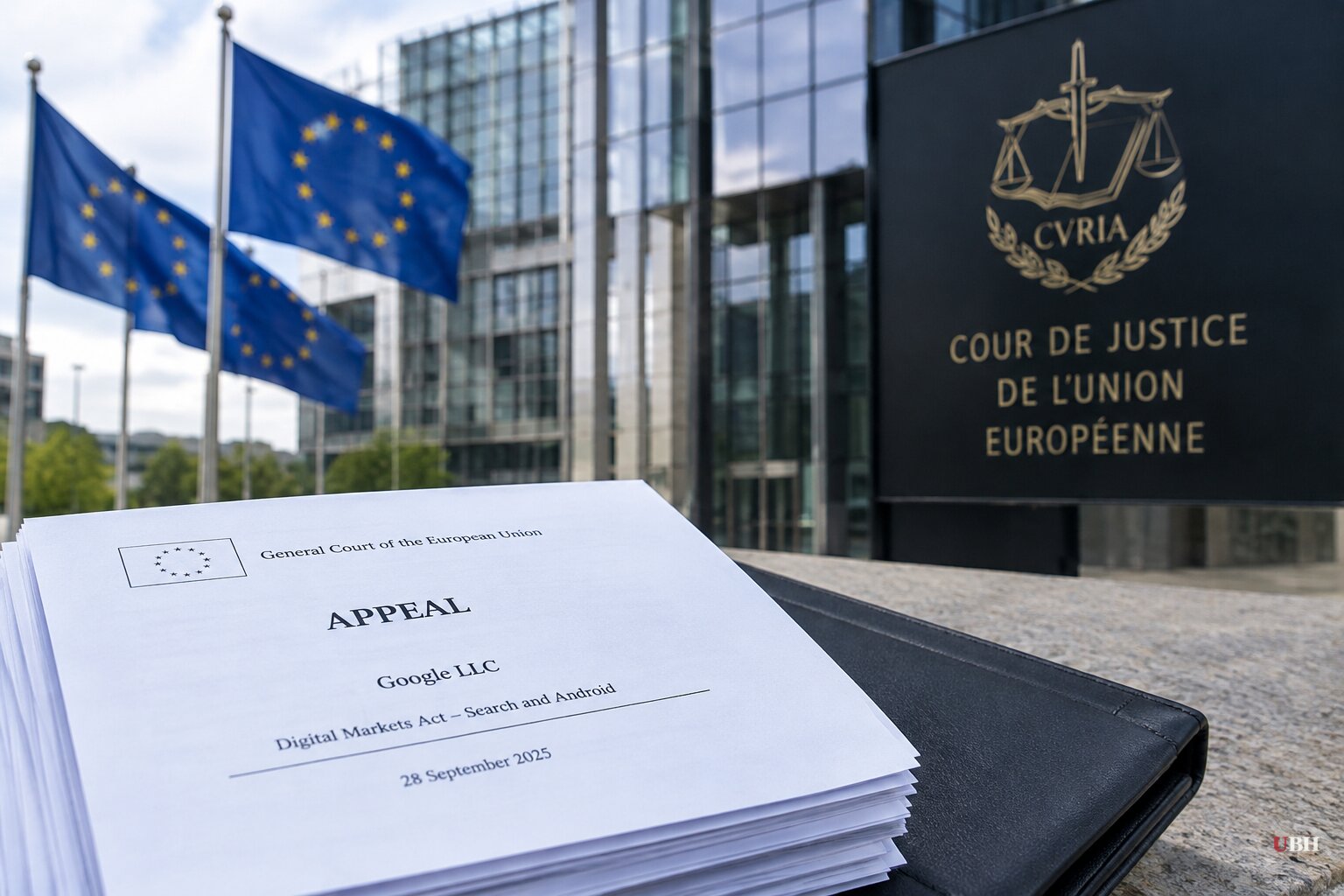
Google is taking Brussels to court again. On September 28, Alphabet's Google filed two appeals with the EU General Court in Luxembourg, challenging a pair of Digital Markets Act orders the European Commission issued on July 16, according to Morningstar and Euronews.
One order requires Google to share anonymized search and click data with rival search engines and AI chatbots starting January 2027. The other requires Google to open eleven Android features, including the microphone, camera, screen contents, GPS, and wake-word detection, to competing AI assistants like ChatGPT and Perplexity. Most changes are due by August 1, 2027, the deadline tied to the Android 18 release, according to StartupFortune.
Google's Case
Oliver Bethell, Google's senior director of competition, laid out the objection in a statement carried by multiple outlets including the Epoch Times and Euronews: "We're appealing decisions that will force us to share people's private search history without sufficient anonymization and weaken vital security protections on Android."
Bethell argues that people type their most sensitive questions into search bars, from medical symptoms to relationship troubles. Handing that data to commercial rivals without airtight anonymization creates a real re-identification risk. Google also argues that granting outside apps elevated system permissions, like background microphone or camera access, without the vetting phone makers normally apply, opens a security hole on every Android device. Advances in AI have made re-identifying supposedly anonymized data faster and cheaper than it used to be, a point Google raised directly in its filing, according to the Epoch Times.
The Commission's Response
Brussels isn't backing down. A European Commission spokeswoman said the orders were built with data protection experts and include real safeguards, according to Euronews and Cryptopolitan. The anonymization method for search data was developed specifically to strip identifying signals before any query reaches a competitor, and Google retains the right to refuse data-sharing with any company it judges a genuine security or privacy risk, the Commission said.
On Android, the Commission's position is about parity, not novelty. Gemini can already listen for a wake word with the screen off, read on-screen content, and simulate taps to complete tasks inside other apps. Rival assistants can't do any of that yet. The DMA order is designed to close that gap, not to force Google to accept unvetted apps wholesale.
Neither side has been proven right by a court yet, which is exactly why Google is in Luxembourg.
What's Actually New Here, and What Isn't
One clarification worth making, drawn from android.gadgethacks' reporting: installing a rival AI app on an Android phone is already possible and always has been. What's contested is whether that app can get the same invocation and hardware access Gemini enjoys, like being summoned by voice with the screen dark or acting inside other apps. That distinction matters because some coverage conflates "opening Android to AI rivals" with something entirely new, when the more accurate framing is that Google is fighting over feature parity, not access itself.
DuckDuckGo Sides With Brussels
DuckDuckGo, which has no reason to defend Google, backed the Commission's anonymization framework, according to StartupFortune and Cryptopolitan. A company spokesperson said the rules were sound and that Google's appeal would only delay the outcome, not change it.
The Deadlines Don't Move, Yet
Filing an appeal does not pause the Commission's order under EU law. The January 2027 search-data deadline and the August 2027 Android deadline both stand unless the General Court grants Google interim relief, something Google would have to request and win separately, according to StartupFortune and the Epoch Times.
This is the second major DMA clash between Google and Brussels this year. In July, the Commission separately fined Google €890 million, split between €460 million for favoring its own services in search rankings and €430 million for restricting app developers from steering users to cheaper options outside Google Play, according to Cryptopolitan and the Epoch Times. Google has already changed how search results display in the EU in response to the earlier ruling, which it described as its biggest search layout change in the region to date.
The unresolved question now sits with the General Court: whether Google can convince judges to freeze the deadlines before January, or whether Android phones across Europe start operating under new rules while the appeal is still being decided.
Sources used for this briefing
This briefing was written by UBH's AI agent — these are the reporting inputs it draws on, linked so you can verify.


