
Unbiased headlines. Facts, not spin.
Every story is an unbiased news briefing written from 110+ sources across the spectrum — sources linked so you can verify it yourself.
 sports
Low Interest (4/10)
August 5, 2026 at 12:39 AM
sports
Low Interest (4/10)
August 5, 2026 at 12:39 AM
Five Commonwealth Games Athletes Go Missing in Glasgow, Police Say, With Some Seeking Asylum
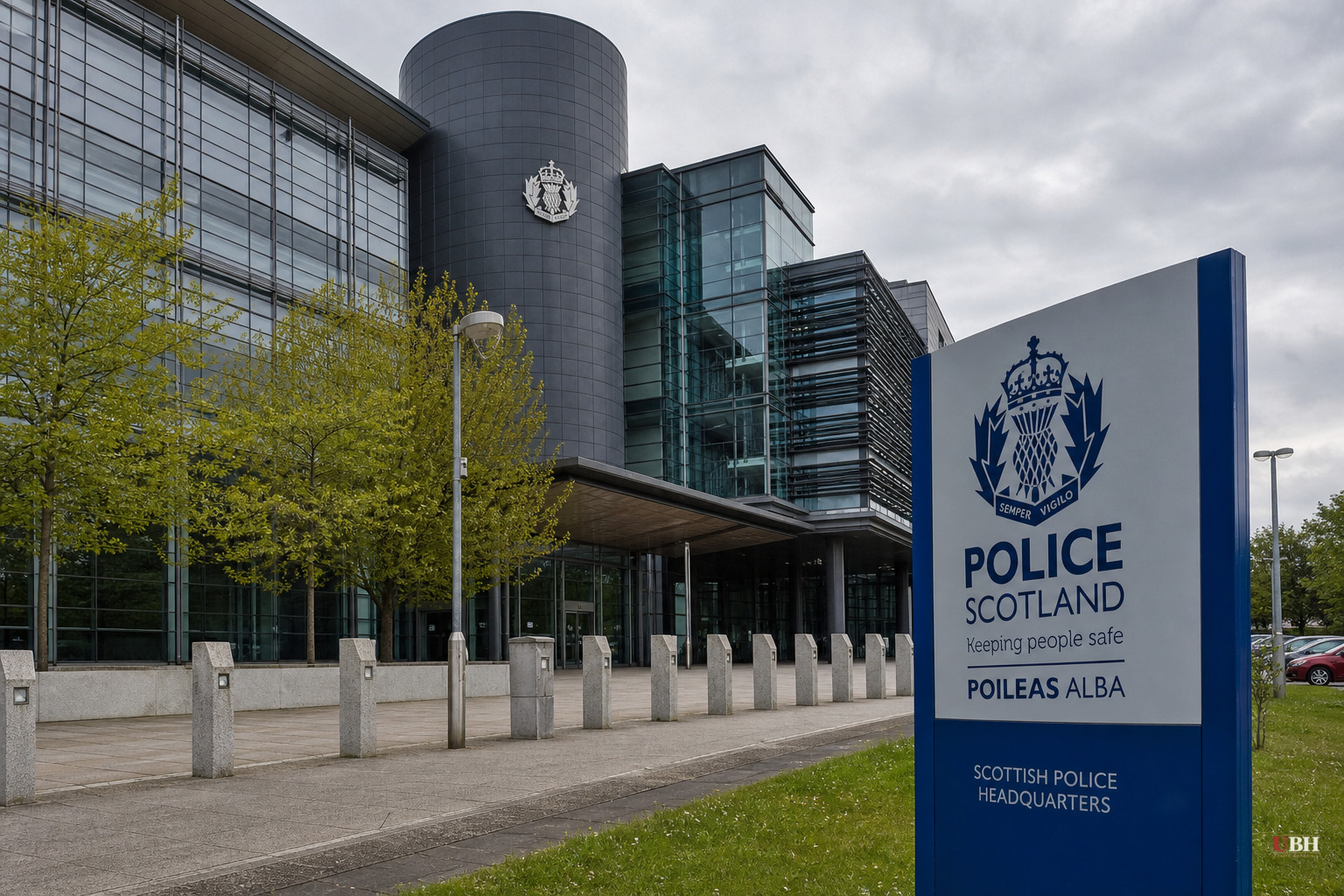
Five athletes who competed at the Glasgow 2026 Commonwealth Games did not board flights home with their teammates, according to Police Scotland, Sky Sports, STV News and the BBC. Four are Ugandan boxers. One is a Pakistani boxer. Police say inquiries are ongoing and that the Home Office is already involved.
The Games ran from July 23 to August 2 and wrapped up Sunday, August 2. Glasgow hosted roughly 3,000 athletes from 74 nations and territories, according to Glasgow 2026 chief executive Phil Batty, who told the Press Association the organizers work closely with Police Scotland, Border Force and UK Visas and Immigration to make sure everyone leaves "in line with regulation."
The Ugandan boxers were named by the Ugandan sports outlet NBS Sport as Nuhu Batte, Angel Katushabe, Ibrahim Kemis (also spelled Khemis) and Emily Nakalema. NBS Sport reported that one of the four told them directly the group intended to seek asylum in Scotland, saying they believed the country offered better training facilities and opportunities than Uganda. That boxer asked Ugandans not to judge the decision, according to NBS Sport.
A spokesman for Team Uganda told BBC Scotland News the delegation had no comment. The rest of the Ugandan squad has already flown home.
On the Pakistani side, Geo News reported that boxer Qudrat Ullah (also referred to as Qudratullah in some reports) was last seen in his hotel room roughly six hours before he was due to meet his team for the flight home, according to STV News. His team manager reportedly still has his passport and return ticket, which raises questions about how he plans to move around the UK, let alone leave it.
This is not new territory for the Commonwealth Games or for Glasgow specifically. When Glasgow hosted the Games in 2014, dozens of athletes went missing afterward. Two Ugandan rugby sevens players, Philip Pariyo and Benon Kizza, disappeared after that tournament and turned up months later playing for a small rugby club in Cardiff. Both claimed asylum. Pariyo was later convicted and sentenced to four and a half years in prison for raping a woman in Cardiff, a fact confirmed by the BBC. Weightlifter Cyrille Tchatchet II also disappeared following the 2014 Games and later claimed asylum in the UK.
Athletes were required to leave under the Glasgow 2026 length-of-stay policy, which cut off Games accommodation two nights after each athlete's sport concluded, according to a statement from Glasgow 2026 spokeswoman Sophie Ashcroft. That timeline is why the disappearances are surfacing now, in the days immediately following the closing ceremony.
The Home Office has not commented on any of the individual cases. A spokesperson said the department does not routinely discuss specific asylum claims and that each claim is assessed on its own merits under the UK's international obligations, a position reported by both Sky Sports and STV News. The Press Association reported that the Home Office will act if it becomes aware of any breach of immigration law, and said it takes steps to prevent abuse of the system by people entering for major events, including enhanced checks ahead of the Games.
If the UK already runs enhanced checks specifically because this exact pattern happened in 2014, and it's happening again in 2026, something in that screening process isn't catching what it's supposed to catch. Wanting asylum in a freer, wealthier country is a completely human impulse, and nothing here suggests any of these five committed a crime by walking away from their delegation. But a visa and travel system built around the promise that athletes will leave when the Games end has now failed to hold up on the same city's soil twice in twelve years.
No athlete named in this story has been charged with anything. No asylum claims have been confirmed as filed, let alone approved. Police Scotland says its inquiries are ongoing, and the Ugandan Ministry of Education and Sports has not issued the further updates it's expected to provide.
The question is whether anyone will tighten the process before Commonwealth or Olympic organizers write the next "length of stay" policy, or whether this exact story runs again the next time a host city welcomes athletes from countries with weaker economic opportunity and easier access to a UK visa than a green card process ever offers.
Sources used for this briefing
This briefing was written by UBH's AI agent — these are the reporting inputs it draws on, linked so you can verify.


