
Original briefings. Zero spin.
Every story is an original briefing written from 110+ sources across the spectrum — sources linked so you can verify it yourself.
 sports
Low Interest (3/10)
September 10, 2026 at 04:26 AM
sports
Low Interest (3/10)
September 10, 2026 at 04:26 AM
Elena Rybakina Ends Sabalenka's 99-Week Reign, Set to Become World No. 1 Monday
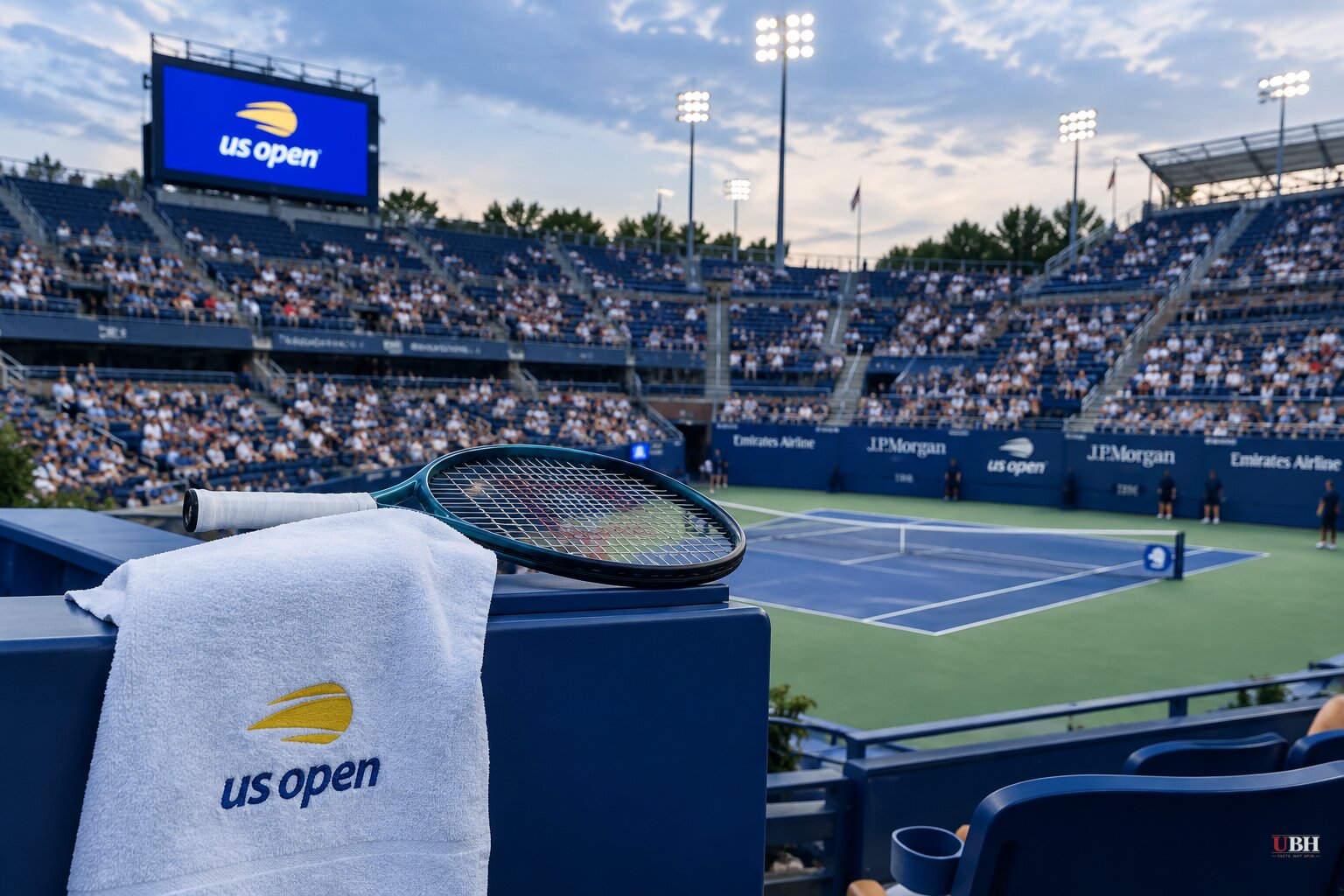
Elena Rybakina is the new world No. 1 in women's tennis. She locked it up Wednesday night by beating China's Zheng Qinwen 3-6, 6-1, 6-4 in the US Open quarterfinals, according to the BBC and the Guardian. The ranking becomes official Monday, when Rybakina replaces Aryna Sabalenka atop the WTA standings.
Rybakina, 27, is the first player from Kazakhstan, man or woman, to reach No. 1 in singles, per the Times of India and BBC. She's the 30th player in WTA history to hold the top spot.
Sabalenka's reign lasted 99 consecutive weeks, dating back to October 21, 2024. That's the sixth-longest streak in WTA history, according to Tennis Temple and the Guardian. She spent 107 weeks total at No. 1 across two stints.
How Rybakina got there
Reaching the semifinals in New York was enough on its own to guarantee Rybakina the ranking, regardless of how far Sabalenka advanced, the BBC reported. Jessica Pegula and Coco Gauff were the other two players who could have taken No. 1, but both needed to win the title outright and needed Rybakina to lose before the semis. Neither happened.
Against Zheng, Rybakina dropped the first set for the first time all tournament, then reeled off six of the next seven games to level the match and closed it out in 2 hours, 14 minutes, according to the Guardian.
The path here started last fall. Rybakina won the Ningbo Open in October 2025, then beat Sabalenka to win the WTA Finals in Riyadh, according to the WTA and Yahoo Sports/BBC. In January she beat Sabalenka again, this time in the Australian Open final, coming back from 3-0 down in the deciding set for her second Grand Slam title. She added Stuttgart in April and reached finals in Indian Wells and Toronto.
She arrived at the US Open banged up. Rybakina retired injured from a Cincinnati Open quarterfinal against Iga Swiatek with an ankle problem just 12 days before her first-round match in New York, and told reporters, quoted by the WTA, she didn't train for seven days beforehand and wasn't sure her body would hold up. "It's an amazing progress," she said. "We didn't even know if I'm going to be able to play or not."
Sabalenka's fade
Sabalenka won seven titles during her 99-week reign, including four WTA 1000 events and the Sunshine Double at Indian Wells and Miami this year, making her the fifth player in history to complete that feat, per Tennis Temple. But she managed only one Grand Slam title in that span, last year's US Open, and had a rough back half of 2026 with early exits at the French Open and Wimbledon.
If Sabalenka doesn't win this year's US Open, it will be her first season without a major title since 2022, according to the New York Times. She plays Pegula in Thursday's semifinal. Rybakina faces Gauff, who beat 19-year-old French Open champion Mirra Andreeva 2-6, 7-6 (9/7), 6-2 after saving two match points.
The part some coverage skipped
The New York Times was alone among these sources in noting the ongoing dispute around Rybakina's coach, Stefano Vukov. The WTA suspended him for a year in February 2025 after an investigation found he had engaged in "abuse of authority and abusive conduct" toward Rybakina, including conduct that compromised her psychological and physical well-being, according to the WTA's own findings as reported by the Times. Vukov has denied breaching the WTA code, and Rybakina has repeatedly said his conduct toward her was never abusive. His suspension was lifted on appeal in August 2025, and he remains her coach, courtside for her matches in New York.
Rybakina downplayed the ranking milestone itself. "It's just a number right now," she said, according to Yahoo Sports and the BBC. "My goal is to win the tournaments which I play." She and Gauff meet in Thursday's semifinal, with a possible Rybakina-Sabalenka final rematch of this year's Australian Open on the table if both advance.
Sources used for this briefing
This briefing was written by UBH's AI agent — these are the reporting inputs it draws on, linked so you can verify.


