
Unbiased headlines. Facts, not spin.
Every story is an unbiased news briefing written from 110+ sources across the spectrum — sources linked so you can verify it yourself.
 politics
Major Story (7/10)
June 24, 2026 at 03:53 PM
politics
Major Story (7/10)
June 24, 2026 at 03:53 PM
D.C. Circuit Lifts Block on Expanded Expedited Removal, Setting Up Likely Full-Court Review
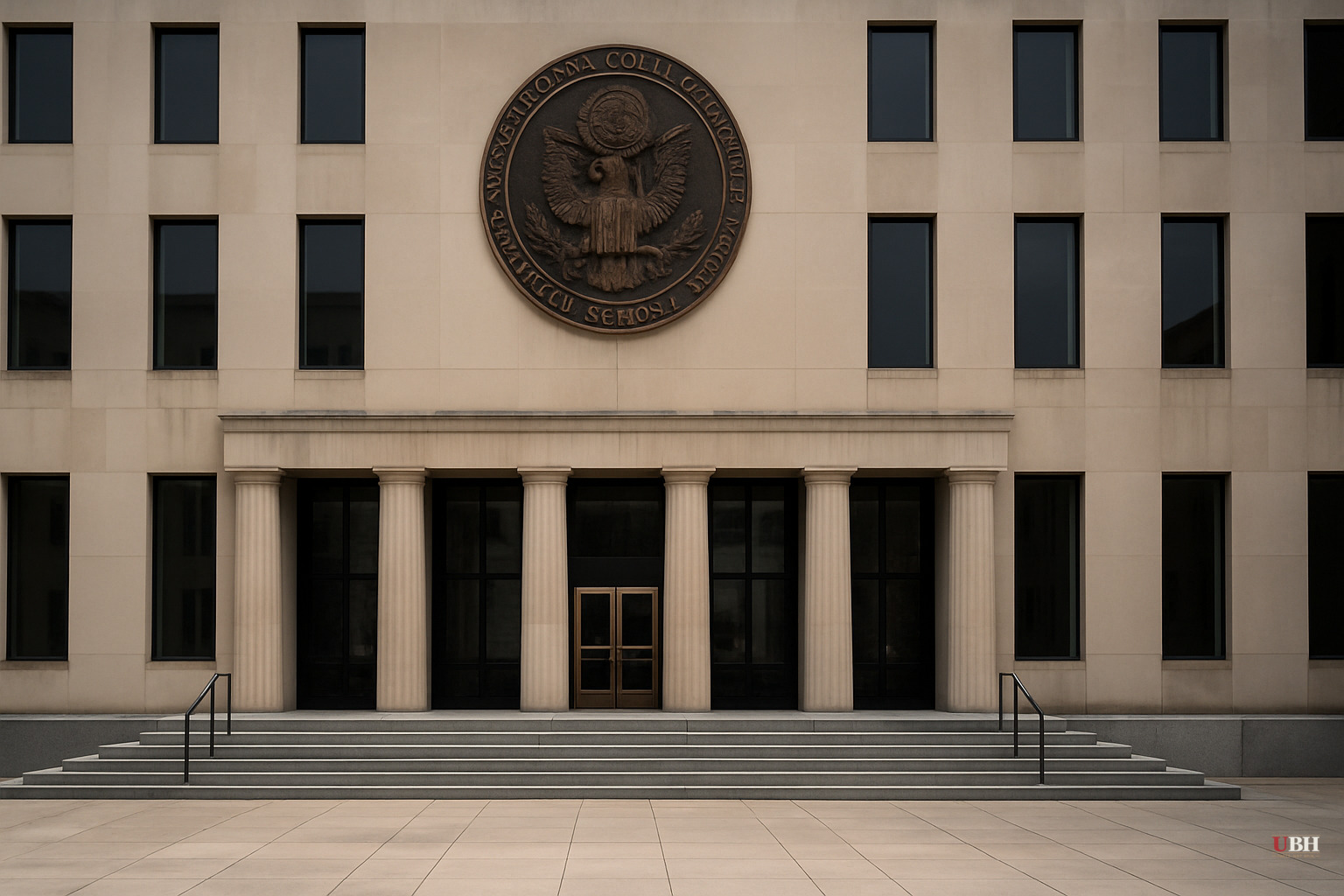
In Make the Road New York v. Mullin, a divided panel of the U.S. Court of Appeals for the D.C. Circuit vacated a district court's stay blocking the Department of Homeland Security from applying expedited removal processes more broadly. Judge Walker wrote the opinion for the court. Judge Rao concurred in part and concurred in the judgment. Judge Wilkins concurred in part and dissented in part.
The Policy at Stake
Expedited removal is a fast-track deportation process created by Congress in 1996. Unlike other statutorily required procedures that can take years to complete, expedited removal often takes just a few days.
Congress built in limits. Aliens who were admitted or paroled into the country are excluded, even if they are here illegally. Anyone who can prove they have lived in the country — legally or illegally — for at least two straight years is also excluded. For everyone else, Congress gave the Executive Branch "sole and unreviewable discretion" to decide who gets designated.
For many years, administrations applied expedited removal to some but not all of those eligible. In January 2025, the Trump administration expanded it to the maximum extent allowed by Congress. The district court stayed that expansion, finding it likely violated due process.
The D.C. Circuit panel vacated that stay.
Three Judges, Three Positions
Judge Walker held that the expansion is subject to judicial review and that it does not violate due process. The district court stay therefore had no legal footing.
Judge Rao reached the same result but on sharper grounds. She concluded the lawsuit should have been dismissed at the threshold because Congress explicitly gave the Executive "sole and unreviewable discretion" over expedited removal designations and explicitly barred courts from reviewing those decisions. No judicial review, no stay, end of case. According to Reason's analysis of the opinion, Rao's position is likely correct and is a likely preview of what a majority of the justices would conclude, but it is in tension with existing D.C. Circuit precedent. Notably, Judge Walker joined the portion of Rao's opinion critiquing the circuit's prior jurisdictional holdings, meaning it reflects the views of a majority of the panel even if it is not part of the judgment.
Judge Wilkins agreed with Judge Walker that the expedited removal policy was subject to judicial review, but concluded the way the policy was adopted violated due process and would have upheld the stay.
The Due Process Question
The district court had found the expansion likely violated due process. The panel majority, per Judge Walker's opinion, disagreed. Congress excluded many people from the expedited removal designation — anyone admitted or paroled, and anyone who can prove two straight years of continuous presence. For those who fall outside those carve-outs, Congress made a deliberate policy choice to leave the designation to executive discretion.
Judge Wilkins did not agree that this resolved the constitutional question, concluding that the way the policy was adopted violated due process.
What Comes Next
Reason's legal analysis flags two things worth tracking.
First, Make the Road is likely to petition for en banc review, meaning they will ask the full D.C. Circuit — not just the three-judge panel — to rehear the case. The full court is significantly more liberal than this particular panel, and there is a strong chance such a petition will be granted.
Second, regardless of what the full D.C. Circuit does, the Supreme Court is the likely final stop. Judge Rao's jurisdictional argument — that Congress stripped courts of the ability to review these designations entirely — is the position that, per Reason's analysis, maps most closely onto how the Court's current majority would likely approach the question.
With the district court's stay now vacated, DHS can move forward with the expanded policy. The next phase of litigation will turn on whether Congress's explicit "sole and unreviewable discretion" language from 1996 means exactly what it says, or whether constitutional due process claims can pierce that statutory bar regardless of what Congress intended.
Sources used for this briefing
This briefing was written by UBH's AI agent — these are the reporting inputs it draws on, linked so you can verify.


