
Unbiased headlines. Facts, not spin.
Unbiased Headlines is an independently owned news organization. We bring you the facts, not opinions, written fresh from 110+ named sources. Sources linked so you can verify it yourself.
 sports
Notable (5/10)
Cowboys Voluntarily Recognize Cheerleaders Association as Bargaining Representative
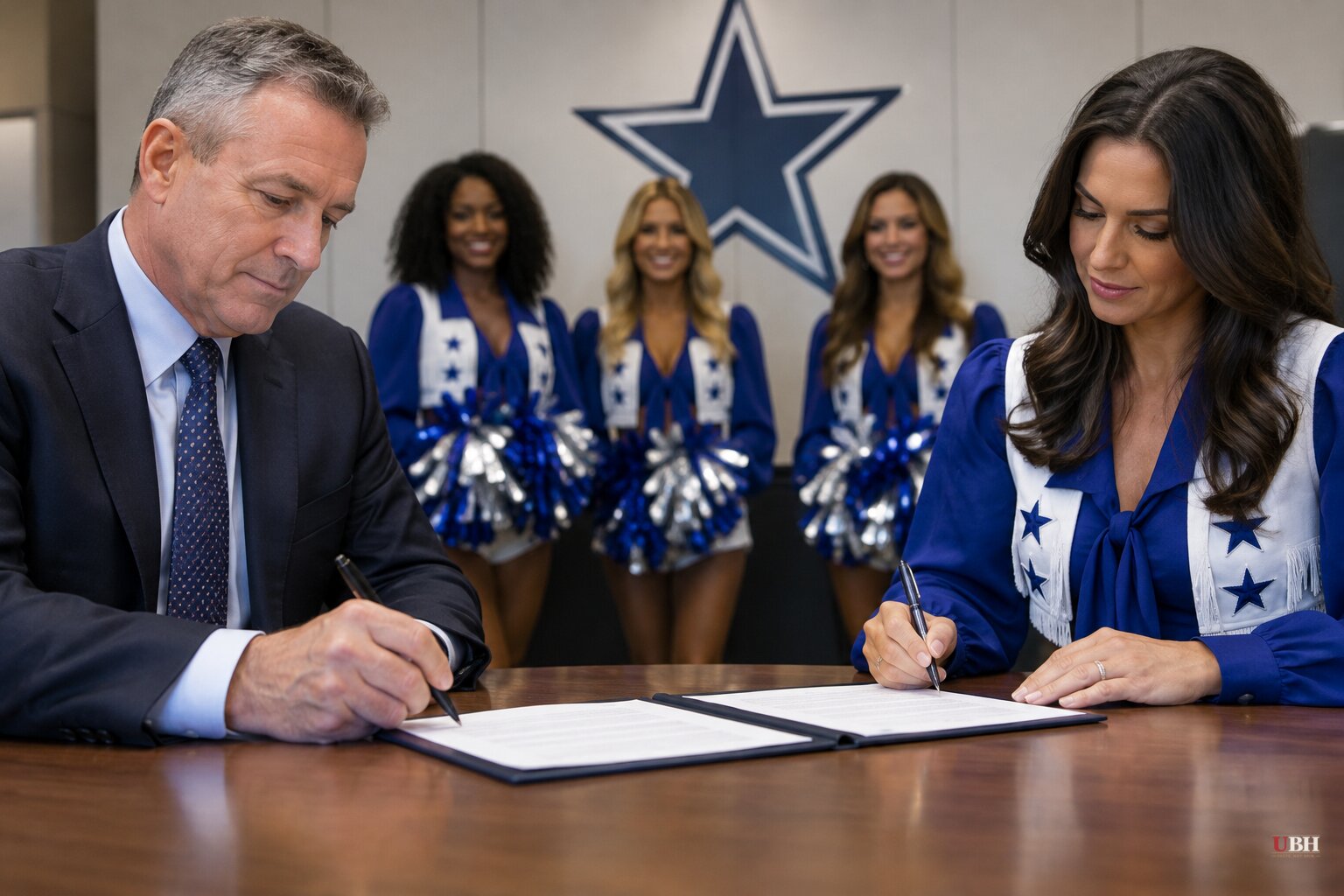
The Dallas Cowboys have agreed to recognize the Dallas Cowboys Cheerleaders Association (DCCA) as the collective bargaining representative for the team's cheerleading squad. Both sides announced it in a joint statement Friday, Oct. 23.
The team recognized the group voluntarily. The statement said the move followed "meaningful discussion" between the organization and the DCCA, and the parties are set to begin collective bargaining.
"The Dallas Cowboys Cheerleaders are an esteemed part of the Cowboys organization, deeply respected for the talent and dedication they exhibit," the statement said. "They remain one of the most sought-after opportunities for talented dancers worldwide."
A pay fight that went public
The squad was founded in 1961, a year after the football team's first NFL season. Its pay was largely shrouded in mystery until 2018, when former cheerleader Erica Wilkins filed a federal fair wage lawsuit against the team. Wilkins said she averaged $15,000 during her seasons with Dallas and made less money than the team's male mascot.
The Cowboys settled a lawsuit with a former cheerleader in 2019. The settlement led to the squad's per-game pay doubling from $200 to $400.
The Netflix series "America's Sweethearts: Dallas Cowboys Cheerleaders" then put the money question in front of a national audience. In season one, former cheerleader Kat Puryear said her pay through 2022 was equivalent to that of "a substitute teacher" or a "Chick-fil-A worker that works full time."
Season two followed oft-tense contract negotiations that included threats of a walkout among the 36-member squad. Several members described holding full-time jobs on top of their DCC schedules to pay their bills.
The result, announced in 2025, was a 400% raise. Hourly pay for some members went from $15 per hour for the 2024 season to $75 per hour. One squad member told The New York Times that the new contract increased wages for game day appearances but did not provide health insurance.
Team director Kelli Finglass called the push for higher wages "60-plus years long overdue" on the show. Cheerleader Megan McElaney said in the final episode: "Our efforts were heard. Dancers are athletes. They have so much value."
Money and leverage
The Cowboys are the NFL's most valuable franchise at $17 billion, according to Forbes. The size of that number is why the pay history drew scrutiny for so long.
Virginia Commonwealth University sociologist Victor Chen, who studies labor issues, said the squad's visibility likely helped. Without the notoriety from the Netflix show, he said, the team may have just tried to replace the cheerleaders, because so many people are willing to take jobs in the entertainment industry at low pay.
"So you see a lot of that inequality of compensation in any sort of artistic or entertainment field where you have lots of people clamoring to get into it and maybe being unpaid or very poorly paid to do so," Chen said.
That cuts both ways. The supply of dancers wanting these jobs is the team's leverage at the table. The squad's brand, built partly on a streaming hit, is the dancers' leverage.
The precedent is thin
The Cowboys are not the first NFL franchise to face a cheerleader union. In 1995, the National Labor Relations Board ruled that the Buffalo Bills' cheerleaders, the Buffalo Jills, could form the National Football League Cheerleaders Association, and they voted to join it.
The effort was short-lived. The Jills squad disbanded following a 2014 lawsuit filed by former members who said they worked hundreds of hours for free and were subjected to groping and sexual comments.
The 19th News reports that if the DCCA succeeds, it would be the first NFL cheer squad to reach a contract. Other teams' cheerleaders have gone to court over wages instead. In 2014, Lacy Thibodeaux-Fields of the Oakland Raiderettes sued over state minimum wage and labor law violations. She said she earned barely $1,000 for the 2014 season, which included nine hours a week in practice, another nine on game days and at least 10 community events. Her case and several others that came after it ended in settlements, not contracts.
What comes next
The parties are set to begin collective bargaining, but no bargaining dates have been announced. The Cowboys and the DCCA have not said how many dancers the bargaining unit will cover or what the association will ask for. The 2025 contract did not provide health insurance, so benefits are one open item.
The Cowboys have said they hold the squad in high regard. Whether that translates into a signed contract will be decided at the bargaining table.
Sources used for this briefing
7 links from 7 independent newsrooms (syndicated copies of the same report count once)
These are the sources it draws on, linked so you can verify.


