
Unbiased headlines. Facts, not spin.
Unbiased Headlines is an independently owned news organization. We bring you the facts, not opinions, written fresh from 110+ named sources. Sources linked so you can verify it yourself.
 sports
Low Interest (2/10)
sports
Low Interest (2/10)
College Football Has No Grown-Ups in the Room, and Everyone Knows It
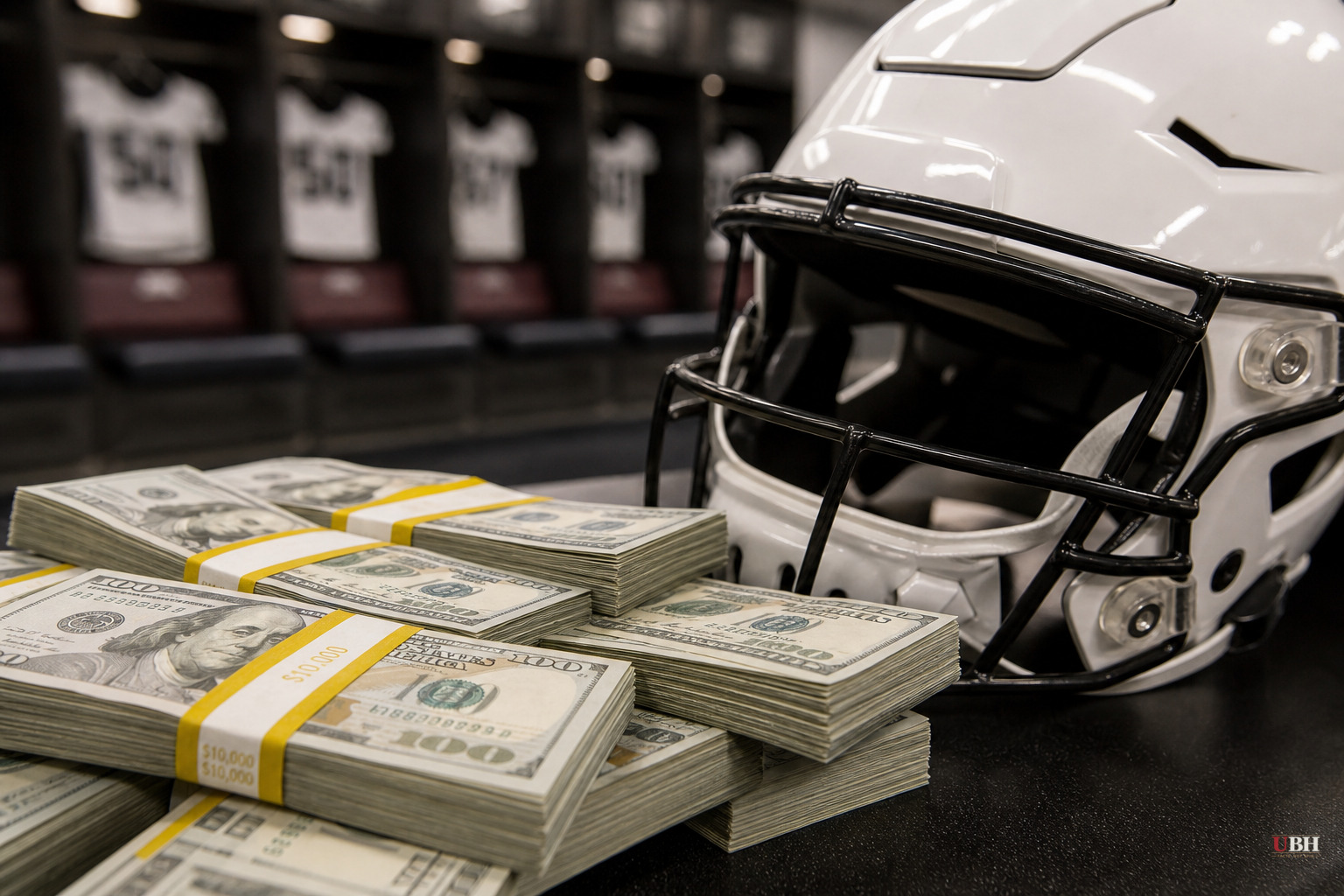
A satire column in the New York Post imagined a 2040 Dubai Bowl between UCLA and Michigan, complete with SpaceX travel, oil-well bonuses for starting quarterbacks, and hologram interviews billed at $10,000 per five-minute session. It's a joke. The uncomfortable part is how little exaggeration it actually required.
Strip away the moon orbits and the Bitcoin swag bags, and the underlying facts are real right now. Conference realignment has already scrambled decades of regional rivalries, with the column pointing to "nonsensical conference realignment" and "ceaseless roster turnover" as part of the sport's current lunacy. The old geographic logic of college sports is mostly gone, replaced by arrangements that make sense mainly to whoever is cutting the check.
The money is not exaggerated either. Some college football rosters are approaching $50 million in Name, Image and Likeness spending, according to the NY Post column. USC's football facility spending has reportedly exceeded the GDP of some small nations, per the same column. Meanwhile athletic departments at some of the sport's biggest brands are carrying accumulated debt approaching $1 billion, a figure the column attributes to the current state of major programs.
That combination, ballooning spending on one side and ballooning debt on the other, is not sustainable math. It doesn't require a finance degree to see where unlimited NIL spending plus stadium arms races plus zero national salary structure ends up. The column notes a number of athletics departments are headed for Chapter 11, not as a punchline but as a real possibility.
Who's actually supposed to fix this?
The column points to the Protect College Sports Act, legislation currently working through Congress, as the supposed adult supervision everyone's waiting on. It's real. It exists. And per the column, it "continues to inch its way through Congress," which is to say it's moving slowly, with no guaranteed passage and no guaranteed teeth even if it does pass.
That's the honest, unglamorous truth conservatives and reform-minded fans alike should sit with: waiting on Washington to referee college sports is a bet against history. New governance with real enforcement power "would be nice," the column notes, "though neither appears on the immediate horizon."
The column quotes Ben Jay, a former Pac-10 associate commissioner and Ohio State executive associate athletics director, making the more useful point: college sports leaders "can't wait for Washington to save them." Jay argues, per his Substack as cited in the column, that athletics departments must reimagine themselves into a sustainable model by separating operations — competition, academics, compliance, student-athlete care — from the revenue and enterprise side: NIL, media, sponsorship, facilities and fundraising.
Athletic departments should manage their own finances responsibly instead of assuming a bailout, legislative or otherwise, is coming. That's a common-sense position anyone across the political spectrum should be able to get behind. As Jay put it in the column: "Build the machine. Staff it with people who are committed to learning from their experience. Keep the mission at the center. Understand what you are trading before you sign anything. And go be great."
What's the actual counter-argument for leaving things alone?
Defenders of the current unregulated NIL system would say the free market finally got players paid after decades of restricted compensation while schools and coaches got rich off their labor. That's a legitimate point worth taking seriously. The column itself notes that a former high-ranking UCLA administrator argued coaches and athletic directors who compare their own pay to professional leagues have a moral obligation to extend that same market logic to players, including allowing them to organize in a collective bargaining unit like pro player associations.
The problem isn't that players get paid. The problem is there's no structure, no cap, no enforcement body with real authority, and no accountability for schools spending themselves into debt to keep up. Free market logic works when there are rules everyone plays by. Right now there aren't any, and that's not a conservative or progressive complaint. It's just an observable fact about how the system is currently built.
The Protect College Sports Act remains pending in Congress with no confirmed passage date. Until it moves, or until schools start imposing their own financial discipline the way Ben Jay is urging, the sport keeps drifting toward whatever the New York Post's fictional 2040 Dubai Bowl was mocking. The joke works because nobody reading it can say with confidence it's wrong.
Sources used for this briefing
1 link from 1 independent newsroom (syndicated copies of the same report count once)
These are the sources it draws on, linked so you can verify.


