
Unbiased headlines. Facts, not spin.
Unbiased Headlines is an independently owned news organization. We bring you the facts, not opinions, written fresh from 110+ named sources. Sources linked so you can verify it yourself.
 sports
Low Interest (4/10)
sports
Low Interest (4/10)
NFL Suspends Cardinals Scouting Director Ryan Gold for Leaking Draft Picks and Betting on Games
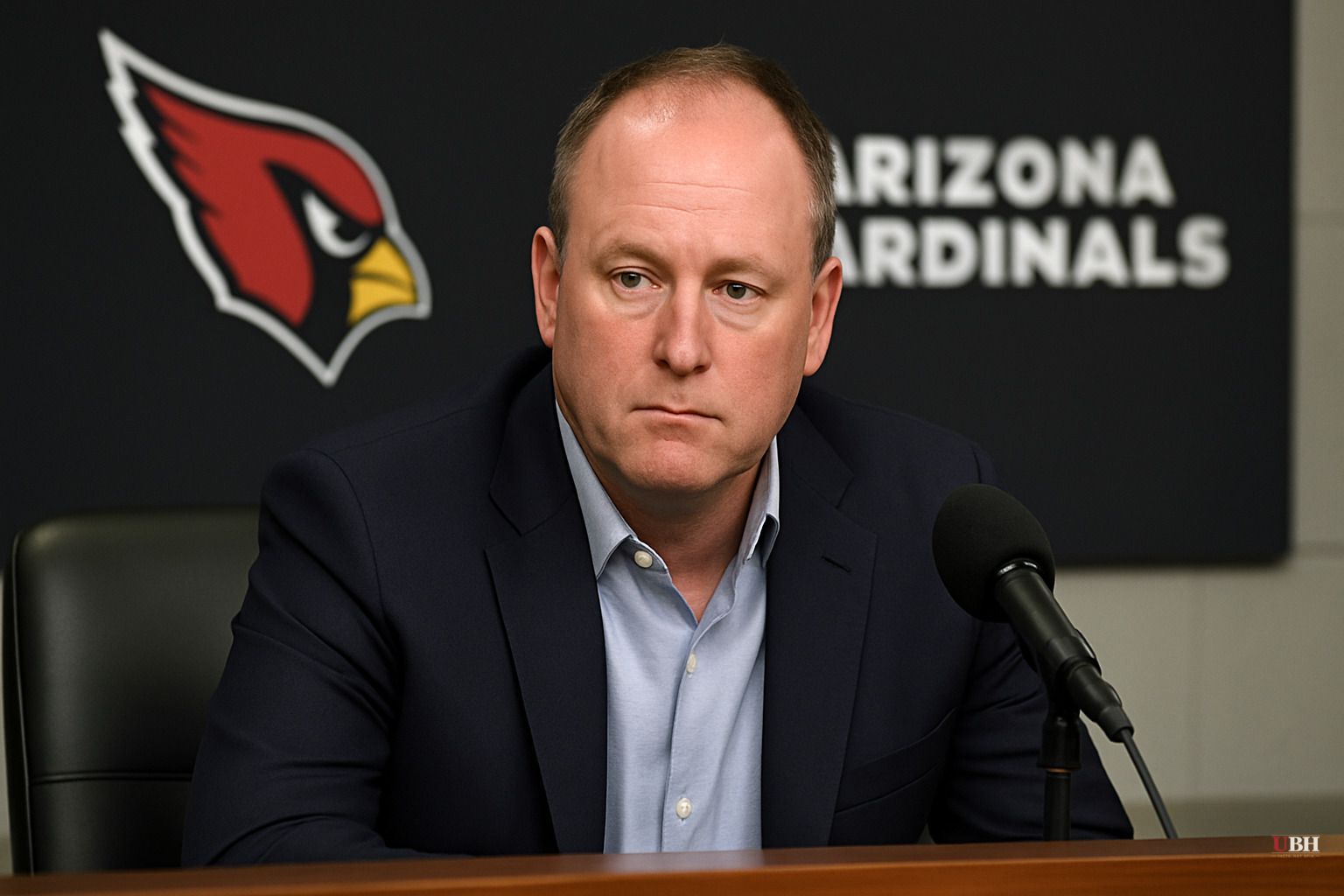
The NFL indefinitely suspended Arizona Cardinals director of college scouting Ryan Gold on Friday, July 17, 2026, after a league investigation found he violated the NFL's gambling policy in two separate ways.
According to the Associated Press, the league determined Gold gave out confidential, non-public information about the Cardinals' 2026 NFL Draft selections before those picks were made. The NFL did not name who received that information.
Investigators also found Gold placed parlay bets on NFL and college football games, a separate and explicit violation of league rules, according to the AP.
The NFL's statement was blunt about the stakes. "The Gambling Policy, which is annually reviewed with all NFL personnel, strictly prohibits anyone in the NFL from participating in or facilitating any form of sports gambling, and from providing third parties non-public information," the league said. It added that despite the violations, "there is no reason to believe the integrity of any NFL game was affected."
Leaking a draft pick is not the same as fixing a game, but it remains the kind of information leak that can move real money. The league treated it with an indefinite suspension rather than a slap on the wrist.
A 13-Year Employee, Promoted Just Last Year
Gold has been with the Cardinals for 13 seasons. He was promoted to director of college scouting in June 2025, after three years as assistant director of college scouting and four years before that as college scouting coordinator, according to the team's own website.
In that role, the Cardinals describe Gold as overseeing "the day-to-day operation and organization" of the team's college scouting department, including evaluations of draft-eligible prospects and management of the scouting staff. That position comes with access to the kind of pre-draft intel that would be worth real money to the right parties.
The Cardinals confirmed the investigation touched only one employee. "The NFL's policies and expectations for all employees are clear, comprehensive, and consistently communicated," the team said in a statement. "We fully support the league's decision in this matter, which involves a single employee. Our focus remains on preparing for the start of training camp next week and the 2026 season."
It hasn't been announced whether Gold intends to appeal the suspension, according to the New York Post.
Why Draft Leaks Are Now a Real Betting Problem
The New York Post reported that prediction market Kalshi did more than $15 million in trading volume tied to the 2026 draft, held in Pittsburgh. That market moves almost entirely on breaking news rather than statistics or performance.
If a bettor gets word that a team has a specific player locked in atop its draft board, and that information comes from someone like a team's own director of college scouting, that bettor can act on a market before oddsmakers or the public have any chance to react. Sportsbooks have complained about this structural problem for years.
This isn't the NFL's first brush with the collision between legalized sports betting and access to inside information. The league leaned hard into partnerships with sportsbooks and platforms like Kalshi in recent years, creating more employees with access to non-public information, more markets that pay for early knowledge, and more temptation.
The league's gambling policy is reviewed annually with all NFL personnel, according to its own statement. That raises an obvious question: if the policy is that well communicated, what made a 13-year employee, promoted just months earlier to a position of real authority, decide the risk was worth taking. The NFL hasn't said who received the leaked information or whether that person or entity faces any consequence of their own. That remains the open thread in this case.
Sources used for this briefing
2 links from 2 independent newsrooms (syndicated copies of the same report count once)
These are the sources it draws on, linked so you can verify.


