
Unbiased headlines. Facts, not spin.
Unbiased Headlines is an independently owned news organization. We bring you the facts, not opinions, written fresh from 110+ named sources. Sources linked so you can verify it yourself.
 sports
Low Interest (3/10)
sports
Low Interest (3/10)
FIFA's Infantino Says 64-Team World Cup Will Be Studied After This Tournament Ends
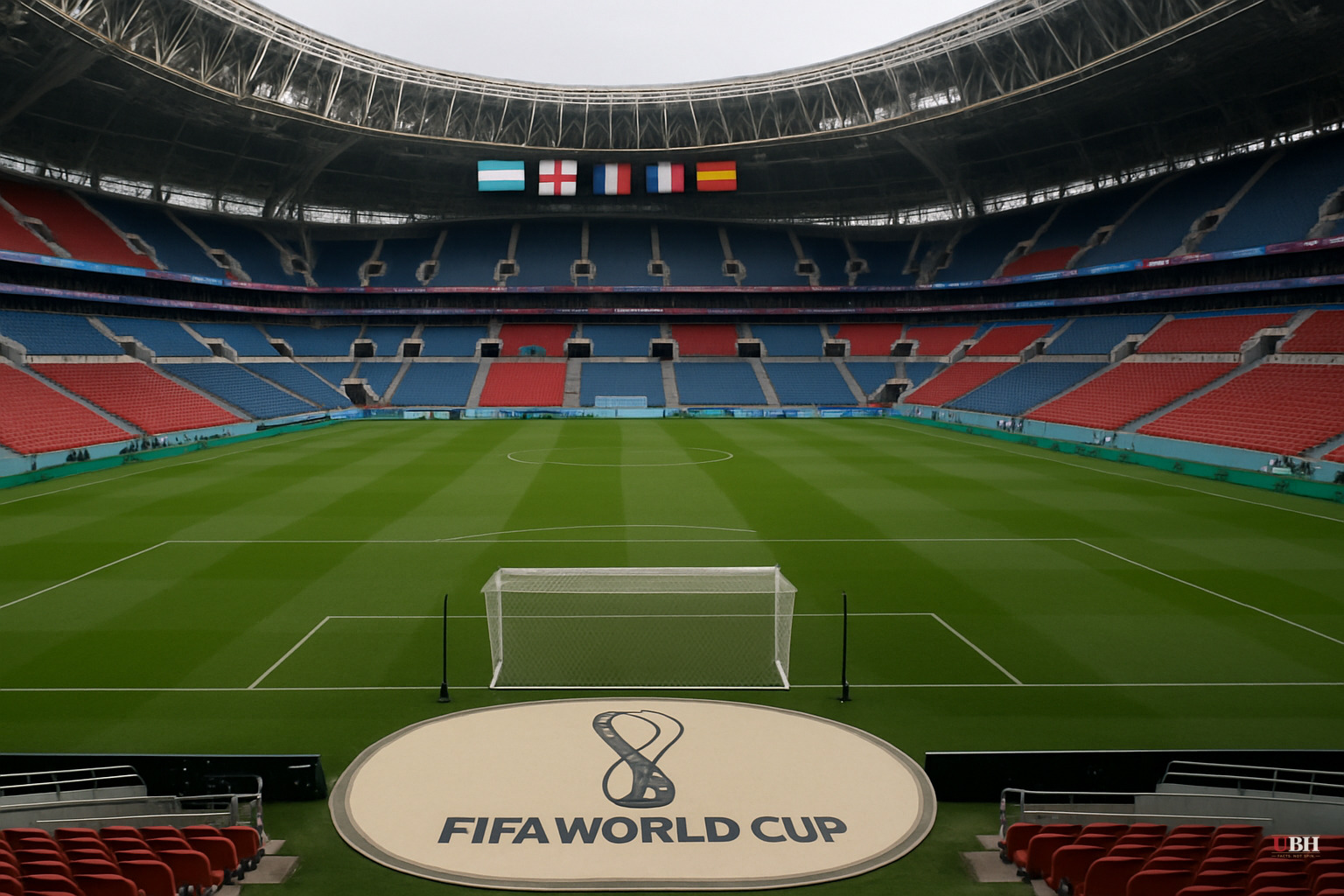
Gianni Infantino isn't delaying discussion of the next expansion until the 2026 World Cup concludes.
The FIFA president told Swiss outlet Bluewin that a jump from 48 teams to 64 is "definitely an issue that will be examined and discussed in the relevant committees after this World Cup," according to both Al Jazeera and The Guardian. As of today, July 12, 2026, four teams remain in the tournament: Argentina, England, France and Spain, with two semifinals, a third-place game and the final still to be played in the U.S., Canada and Mexico.
This isn't a new idea. South American governing body CONMEBOL formally proposed a 64-team field back in April 2025, according to the BBC. FIFA never acted on it. Infantino's comments this week signal the topic is finally getting a real hearing, timed to land right as the 48-team debut wraps up.
The Sales Pitch
Infantino's argument is straightforward: more countries, more dreams, more incentive for smaller federations to invest in their programs. He points to Africa as Exhibit A. Nine of ten African teams reached the knockout stage in the 2026 tournament, he said, compared to just five African teams even qualifying for the last 32-team World Cup in Qatar, according to the BBC and Al Jazeera.
"Every team played at a high level," Infantino said. "Teams from every continent scored goals and earned at least one point." His framing is that a bigger tournament isn't diluting the product, it's discovering talent that was previously locked out.
The Pushback
Not everyone running the sport agrees, and their objections deserve to be taken seriously rather than waved off as reflexive gatekeeping.
UEFA president Aleksander Ceferin called the 64-team plan a "bad idea" for both the tournament and the qualifying process, according to the BBC. Asian Football Confederation president Sheikh Salman bin Ibrahim Al Khalifa was blunter, warning that further expansion would bring "chaos." Concacaf president Victor Montagliani said the idea "doesn't feel right" and would damage "the broader football ecosystem."
Those aren't just turf-protecting complaints. Sports Illustrated noted that the 48-team format already stretched the group stage to three rounds of fixtures just to eliminate a third of the field, a format critics say waters down the competitive stakes of the early rounds. SI also flagged the physical toll: more games means more strain on players already buried under packed club and international calendars. That's a legitimate quality-and-player-welfare concern, not manufactured outrage, and it's one FIFA hasn't publicly answered with specifics.
There's also a money question nobody in these interviews addressed directly. A 64-team field means more matches, more broadcast inventory, more sponsorship slots, and more FIFA revenue. Infantino's inclusion argument may be genuine, but it also happens to align neatly with FIFA's bottom line. That doesn't make the argument wrong. It does mean it should be scrutinized as a business decision, not just a feel-good one.
Where 2030 Stands
The 2030 World Cup is already set up as a sprawling, multi-continent event. Spain, Portugal and Morocco will host the bulk of the tournament, while Uruguay, Argentina and Paraguay will each stage one centenary match to mark 100 years since the first World Cup was played in Montevideo in 1930, according to the BBC and Al Jazeera.
A jump to 64 teams could reshape that plan entirely. Al Jazeera reported the South American host nations could each end up staging a full four-team group instead of a single ceremonial match, a significant logistical shift nobody has confirmed FIFA has budgeted or planned for.
Across the Atlantic, there's also American interest in playing host again down the line. Andrew Giuliani, executive director of the White House's World Cup task force, said the U.S. could weigh a bid for the 2038 tournament and would be able to "handle it" even at 64 teams, according to the BBC. That's a statement of confidence, not a commitment, and no formal 2038 bid process has been announced.
FIFA's position is procedural: council members can propose ideas, and the organization is "duty bound" to consider them. No vote is scheduled. The committees Infantino mentioned haven't met yet, and no timeline for a decision has been set. Whether the 2030 tournament stays at 48 teams or expands to 64 remains an open question that FIFA says it won't answer until after the current tournament's final is played.
Sources used for this briefing
4 links from 4 independent newsrooms (syndicated copies of the same report count once)
These are the sources it draws on, linked so you can verify.


