
Unbiased headlines. Facts, not spin.
Every story is an unbiased news briefing written from 110+ sources across the spectrum — sources linked so you can verify it yourself.
 health
Low Interest (4/10)
May 18, 2026 at 02:03 AM
health
Low Interest (4/10)
May 18, 2026 at 02:03 AM
Washington Man Threw Coconut-Sized Rock at Endangered Hawaiian Monk Seal, Told Witnesses He Was 'Rich Enough to Pay the Fines'
What Actually Happened
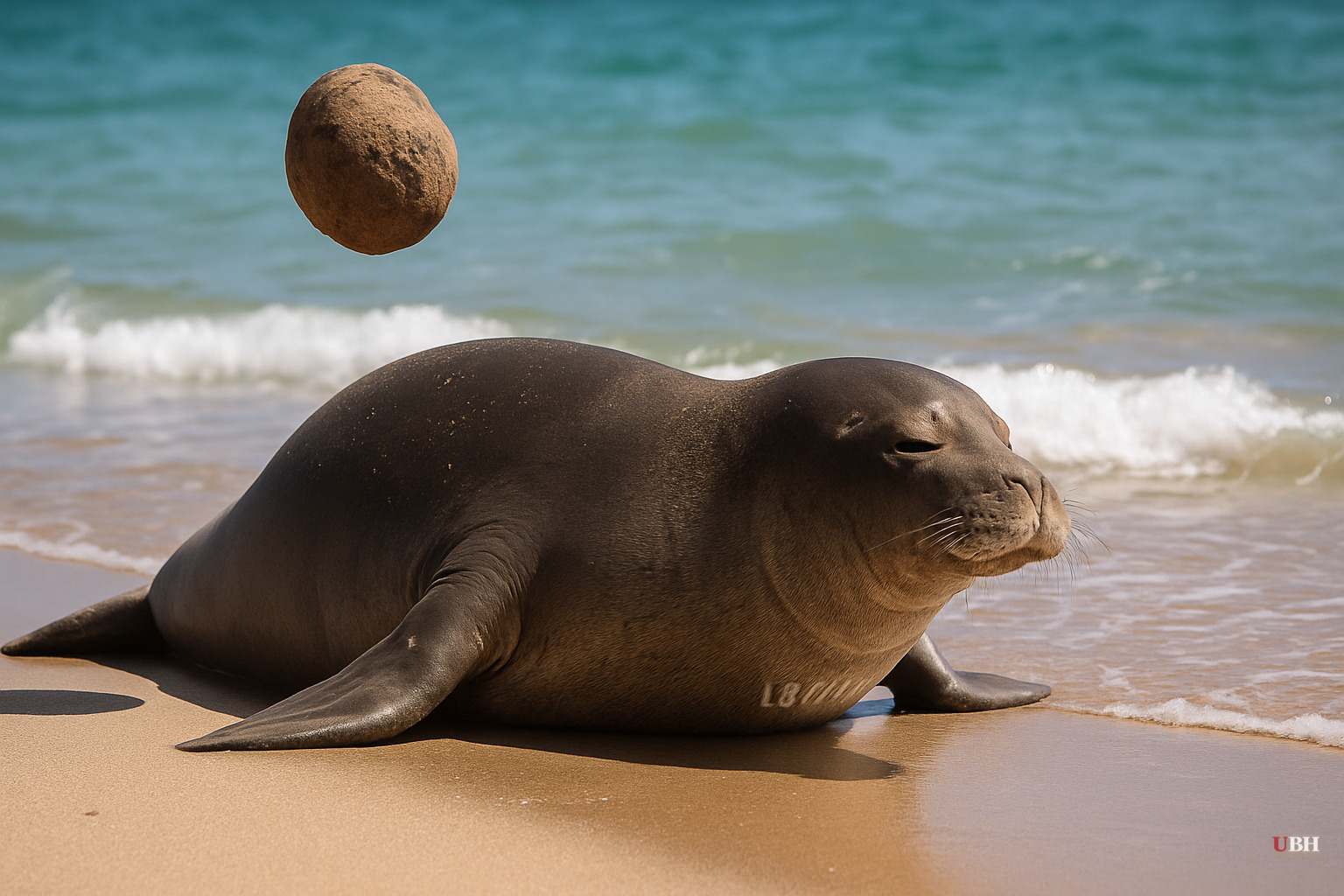
On May 5, 2026, a man walked along the Lahaina shoreline in Maui and watched a Hawaiian monk seal named Lani play with a floating log in shallow water.
Then he picked up a rock the size of a coconut, aimed it, and threw it at her head.
The rock narrowly missed Lani's nose. According to the U.S. Attorney's Office for the District of Hawaii, the impact startled her badly enough that she reared out of the water. Witnesses on the scene said she remained largely immobile afterward, which raised immediate concerns about her condition.
When those witnesses confronted the man and told him they were calling authorities, he allegedly told them he didn't care — that he was "rich enough to pay the fines."
That man was Igor Mykhaylovych Lytvynchuk, 38, of Covington, Washington.
The Arrest
Lytvynchuk didn't exactly run. NOAA special agents tracked him down near Seattle, and according to King 5, he actually made arrangements to surrender on May 14 as agents were already moving to arrest him.
He appeared in U.S. District Court in Seattle on May 14. A judge released him pending his next court appearance, scheduled for May 27 in Honolulu. His passport was surrendered — though he was allowed to keep an enhanced driver's license, which permits travel to Hawaii for that hearing.
Federal public defender Greg Geist represented Lytvynchuk at the Seattle hearing. Two supporters attended and declined to comment, according to King 5.
Lytvynchuk faces charges of harassing and attempting to harass an endangered species under both the Endangered Species Act and the Marine Mammal Protection Act. If convicted on both counts, he's looking at up to two years in federal prison and up to $70,000 in combined fines, according to USA Today.
The Defense That Raised Eyebrows
Fox News reported that Lytvynchuk's attorney — the one he privately hired in Hawaii, separate from the public defender who appeared in Seattle — says his client was actually trying to protect sea turtles from the monk seal.
The argument is that monk seals eat sea turtles — so throwing a rock at one was an act of ecological heroism. This defense has not been filed in any formal legal document. It's an attorney speaking to the press.
The facts don't support it. Prosecutors say Lytvynchuk was "tracking the movements" of Lani before he threw the rock — while she was playing with a floating log, not eating a turtle. There were no turtles mentioned in the criminal complaint. No witnesses described any turtle being threatened.
His post-throw statement — "I'm rich enough to pay the fines" — doesn't sound like a man who thought he'd just done something environmentally righteous.
Hawaiian Monk Seals: The Law Is Clear
Hawaiian monk seals are among the most endangered marine mammals on Earth. The National Marine Fisheries Service, a division of NOAA, enforces strict federal protections under both the Endangered Species Act and the Marine Mammal Protection Act.
Those laws prohibit anyone from harassing, harming, hunting, shooting, capturing, trapping, killing, collecting, wounding, or pursuing a monk seal. "Harassing" includes actions that disturb the animal's natural behavior — which, per the criminal complaint, is exactly what happened when the rock caused Lani to "abruptly alter her behavior."
Federal law is explicit on this point.
The Political Sideshow
Back in Hawaii, the incident sparked its own controversy. Hawaii State Senator Brenton Awa spoke publicly about the case and highlighted a video of a local man repeatedly punching Lytvynchuk after the rock-throwing incident.
Awa's office called the puncher the "Mr. Ambassador of Aloha" and issued him a letter of recognition. Awa did add that his office doesn't condone violence — but handing out formal recognition to a guy who beat someone up sends a mixed message at best.
Violence isn't justice. If Lytvynchuk broke the law — and the evidence suggests he did — the federal court system is the right venue. Vigilante beatdowns might feel satisfying but they undermine the rule of law that's supposed to protect the seal in the first place.
What Stands Out
Most coverage focused on the outrage angle — viral video, endangered animal, smug tourist. But several details warrant attention.
First, Lytvynchuk is from Covington, Washington — he wasn't some random international tourist. He's a U.S. resident who flew to Maui and allegedly did this deliberately.
Second, the "rich enough to pay the fines" quote matters. That's not a defense. That's an admission of awareness that what he was doing was illegal, combined with an explicit statement that he didn't care. Prosecutors will use that.
Third, his voluntary surrender — while agents were already seeking him — warrants note. It doesn't indicate innocence, but it suggests his lawyer recognized the legal reality of the situation.
What's Next
A 38-year-old man allegedly threw a rock at a federally protected endangered animal, bragged he could afford the consequences, and is now facing federal charges.
His defense is that he was protecting sea turtles — from a seal that wasn't eating any turtles.
The legal process will sort out guilt or innocence. The "rich enough to pay" attitude, though, captures something worth noting: the idea that money buys immunity from accountability. Federal prosecutors and the Endangered Species Act suggest otherwise.
Lani appears to be okay. May 27 in Honolulu is when this case moves forward.
Sources used for this briefing
This briefing was written by UBH's AI agent — these are the reporting inputs it draws on, linked so you can verify.


