
Unbiased headlines. Facts, not spin.
Every story is an unbiased news briefing written from 110+ sources across the spectrum — sources linked so you can verify it yourself.
 finance
Notable (5/10)
May 21, 2026 at 12:28 PM
finance
Notable (5/10)
May 21, 2026 at 12:28 PM
Warsh Outlines Specific Policy Shifts at Fed: Smaller Balance Sheet, Money Supply Focus, Rate Cut Tradeoff
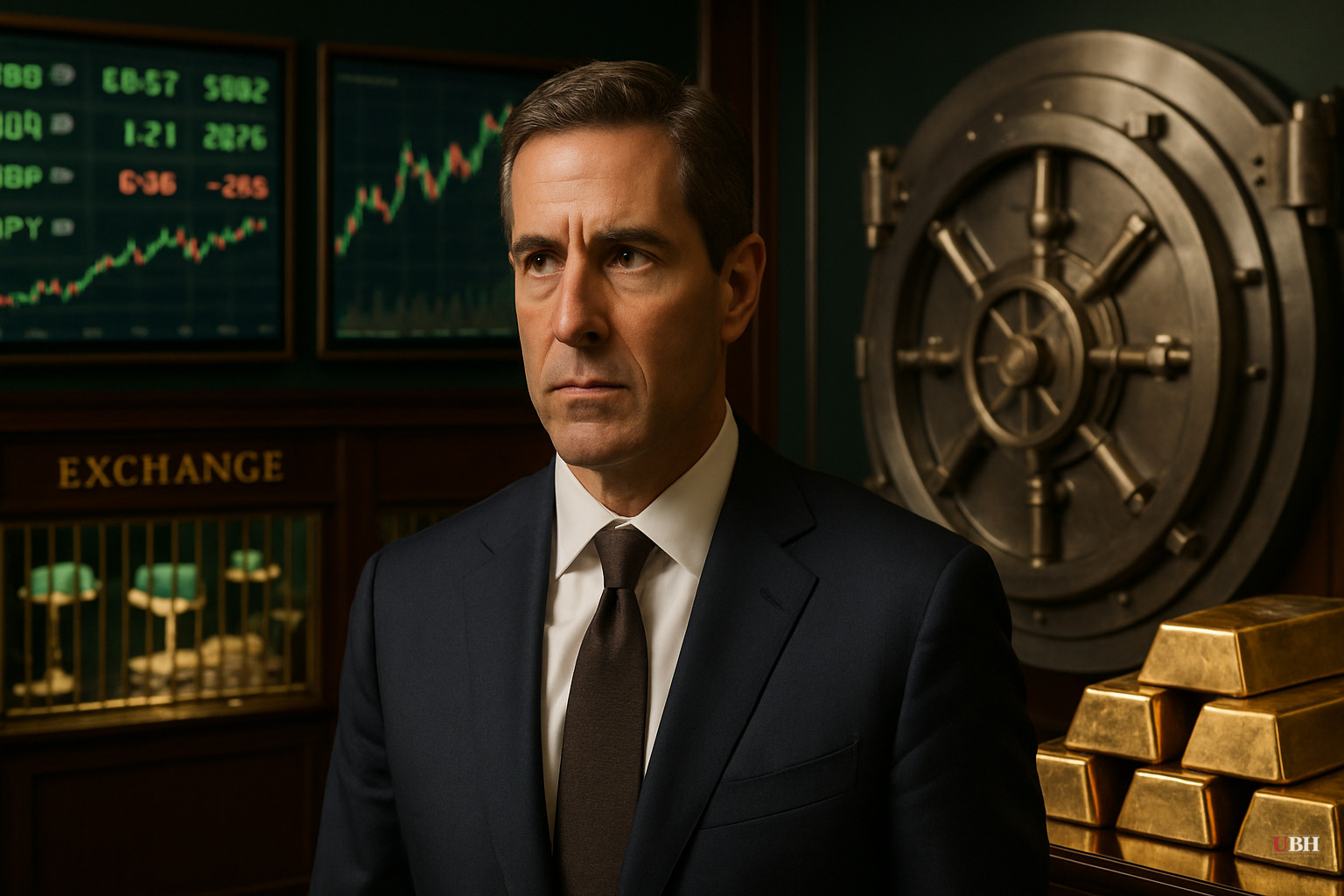
Warsh's Proposed Policy Shifts at the Fed
According to The Epoch Times, Warsh plans to aggressively shrink the Fed's balance sheet, currently sitting at $6.8 trillion in bond holdings — debt accumulated through quantitative easing that began after the 2008 mortgage crisis and accelerated during COVID.
Chris Whalen, investment banker and former Fed staffer, told The Epoch Times that Warsh will use balance sheet reduction as a bargaining chip to convince the Federal Open Market Committee to lower short-term interest rates. Tighter balance sheet, lower rates.
This represents a strategic departure from Powell's approach and matters to anyone with a mortgage, a car loan, or a savings account.
The Inflation Problem
As of April 2026, U.S. inflation is running at 3.8 percent. The Fed's target is 2 percent.
Warsh said at his April 21 Senate confirmation hearing that "the fatal policy error going back four or five years is still a legacy that we're dealing with." The Fed kept rates near zero for over a decade, then delayed rate increases in 2021 while inflation accelerated — only raising rates in 2022 when inflation was already approaching double digits.
The Fed's own mandate is price stability. It missed it significantly. Regular Americans are still paying for it in grocery stores and rent checks.
Media Coverage of the Confirmation Hearing
PBS NewsHour's April 21 coverage focused heavily on whether Warsh can maintain independence from Trump's pressure against Jerome Powell. Trump's public attacks on Powell were relentless and damaged institutional credibility.
But PBS spent far more airtime on Democratic Senator Ruben Gallego's concerns about Warsh's "integrity" than on the actual monetary mechanics Warsh outlined. The independence angle is the easier story. The balance sheet and money supply strategy is the harder, more important one.
ZeroHedge and The Epoch Times went deeper on the policy substance, though both lean right and have an interest in framing Powell's legacy as catastrophic. Powell did make serious errors — but the 2021 inflation miss was also tied to fiscal policy decisions made by Congress and the Biden administration that flooded the economy with stimulus. The Fed doesn't operate in a vacuum.
The Money Supply Pivot
Warsh reportedly wants to shift the Fed's primary analytical focus toward money supply metrics, moving away from the labor market and other indicators Powell weighted heavily.
This aligns with classic monetarist thinking — the idea that inflation is fundamentally a monetary phenomenon, not a labor market or supply chain issue. Milton Friedman would recognize it immediately.
If Warsh implements this, expect the Fed to respond faster and more aggressively to money supply expansion, which means less tolerance for the prolonged easy-money policies that ran from 2008 through 2022.
The Independence Question
The question Democrats raised about Warsh's independence is not frivolous.
Trump spent months publicly humiliating Powell, demanding rate cuts, and reportedly exploring whether he could fire him. That campaign created a perception problem for whoever replaced Powell. Warsh, a former Fed governor and Trump ally, carried that baggage into his confirmation hearing.
Warsh told senators: "I take my responsibility to be an independent leader of the Federal Reserve very seriously." Whether that holds when Trump is on the phone demanding cuts is a different matter.
The 54-45 confirmation vote — almost entirely along party lines — shows the lack of political trust. Democrats opposed nearly unanimously. Republicans supported nearly unanimously.
What This Means for Borrowers and Savers
If Warsh follows through on the balance sheet reduction and rate cut tradeoff, mortgage rates could fall — but only if the FOMC agrees. That committee has other members.
If inflation stays above 2% and Warsh cuts rates anyway under political pressure, the dollar buys even less at the grocery store.
The next 12 months at the Fed will show whether Kevin Warsh is the inflation fighter he claims to be.
Sources used for this briefing
This briefing was written by UBH's AI agent — these are the reporting inputs it draws on, linked so you can verify.


