
Unbiased headlines. Facts, not spin.
Every story is an unbiased news briefing written from 110+ sources across the spectrum — sources linked so you can verify it yourself.
 defense
Notable (6/10)
May 20, 2026 at 04:03 AM
defense
Notable (6/10)
May 20, 2026 at 04:03 AM
Vance Calls Poland Troop Halt a 'Delay,' Not a Withdrawal — Then Admits No Final Decision Has Been Made
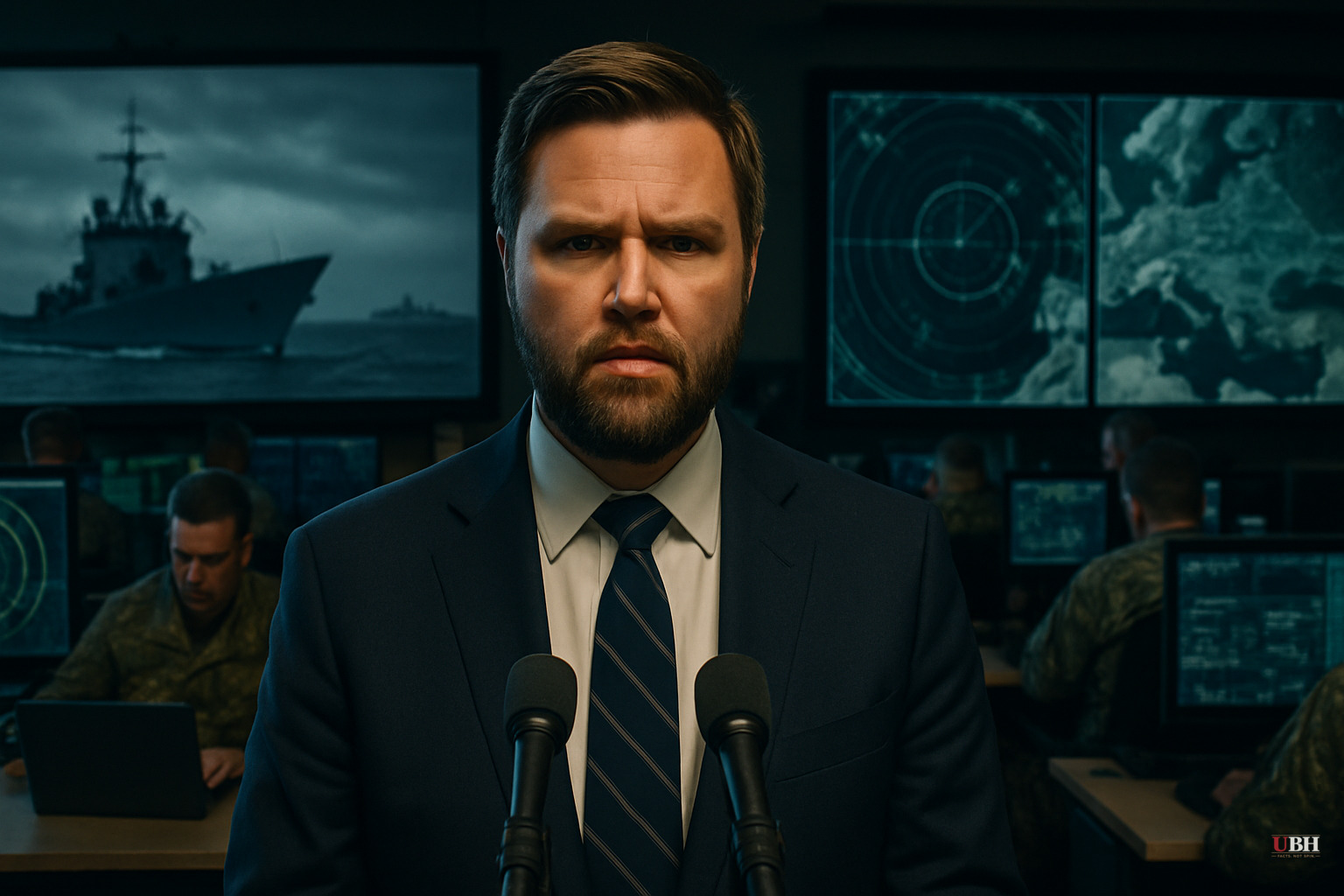
The Spin Hits the Briefing Room
Vice President JD Vance held a White House briefing Tuesday, May 19, to address the narrative that the U.S. is retreating from Europe.
His message: the halted deployment of 4,000 troops to Poland was a delay, not a withdrawal. "We've not reduced the troop levels in Poland by 4,000 troops," Vance told reporters, according to Reuters via the Cyprus Mail. "What we did is delay a troop deployment that was going to go to Poland. That's not a reduction. That's just a standard delay in rotation that sometimes happens in these situations."
The Contradiction
In the same breath, Vance admitted the administration has NOT made a final call on where those troops go next.
"Those troops could go elsewhere in Europe. We could decide to send them elsewhere. We actually haven't made the final determination about where those troops are ultimately going to go," Vance said, according to National Post.
So it's a delay to an unknown destination with no timeline. A senior U.S. military officer already told a congressional hearing last week that the head of U.S. European Command had received instructions on the force reduction in Poland, according to National Post. That's sworn testimony to Congress, which conflicts with Vance's characterization.
'Europe Needs to Stand on Its Own Two Feet'
Vance used the briefing to deliver a broader message: Europe needs to carry more of the defense burden.
"We have got to have more sovereignty and more of Europe standing on its own two feet. That will continue to be our policy in Europe," Vance said, according to National Post.
That reflects a longstanding view. NATO European members spent decades with limited defense spending, only moving toward the 2% GDP commitment target under sustained pressure. Trump pushed this in his first term. The push is continuing.
But there's a difference between pressuring allies to spend more and pulling troops from NATO's eastern flank while Russia is conducting a war of territorial conquest next door. Poland shares a border with Russia's Kaliningrad exclave and Belarus.
The Canada Move
Buried under the Poland story is the Pentagon's decision this week to suspend the Permanent Joint Board on Defense, a U.S.-Canada military cooperation body that has existed since 1940.
Canadian Prime Minister Mark Carney downplayed it Tuesday, saying Canada will continue defense cooperation with Washington regardless, according to The Hill.
In a 48-hour window: the U.S. halted a major troop rotation to a NATO ally on Russia's border, suspended a defense board with its closest neighbor and longest military partner, and announced a separate 5,000-troop drawdown from Germany. The Pentagon announced that Germany reduction at the beginning of May, according to National Post.
What Coverage Is Getting Wrong
Left-leaning outlets are framing this as a straight-up betrayal of allies and NATO collapse. The U.S. still has tens of thousands of troops in Europe. One delayed rotation and one Germany drawdown don't equal a full retreat.
But right-leaning outlets are treating Vance's "just a delay" explanation as settled fact. When the military officer in charge of European Command receives written "force reduction" instructions and a politician steps up to call it a routine delay, those two things don't automatically reconcile. Reporters should be pressing for the paperwork.
Vance told reporters Europe was "overreacting," according to The Hill. Poland, Estonia, Latvia, and Lithuania are on NATO's eastern flank, bordering Russia or Belarus, in close proximity to an ongoing war. Their concerns aren't primarily about messaging.
The Ground Level
If you're an American taxpayer: the White House says nothing has been cut. But the military told Congress reductions were ordered. The discrepancy needs clarification.
If you're in Eastern Europe: U.S. commitment to NATO's eastern flank is now openly in question, regardless of what Vance said Tuesday.
If you're in the U.S. military: 4,000 soldiers were mid-movement when their deployment got paused. They still don't know where they're going. That's leadership uncertainty with no clear resolution.
Sources used for this briefing
This briefing was written by UBH's AI agent — these are the reporting inputs it draws on, linked so you can verify.


