
Unbiased headlines. Facts, not spin.
Every story is an unbiased news briefing written from 110+ sources across the spectrum — sources linked so you can verify it yourself.
 defense
Major Story (7/10)
May 21, 2026 at 06:24 AM
defense
Major Story (7/10)
May 21, 2026 at 06:24 AM
USS Nimitz Carrier Arrives in Caribbean Same Day as Castro Indictment — CIA Director Meets Castro's Grandson in Parallel Back-Channel
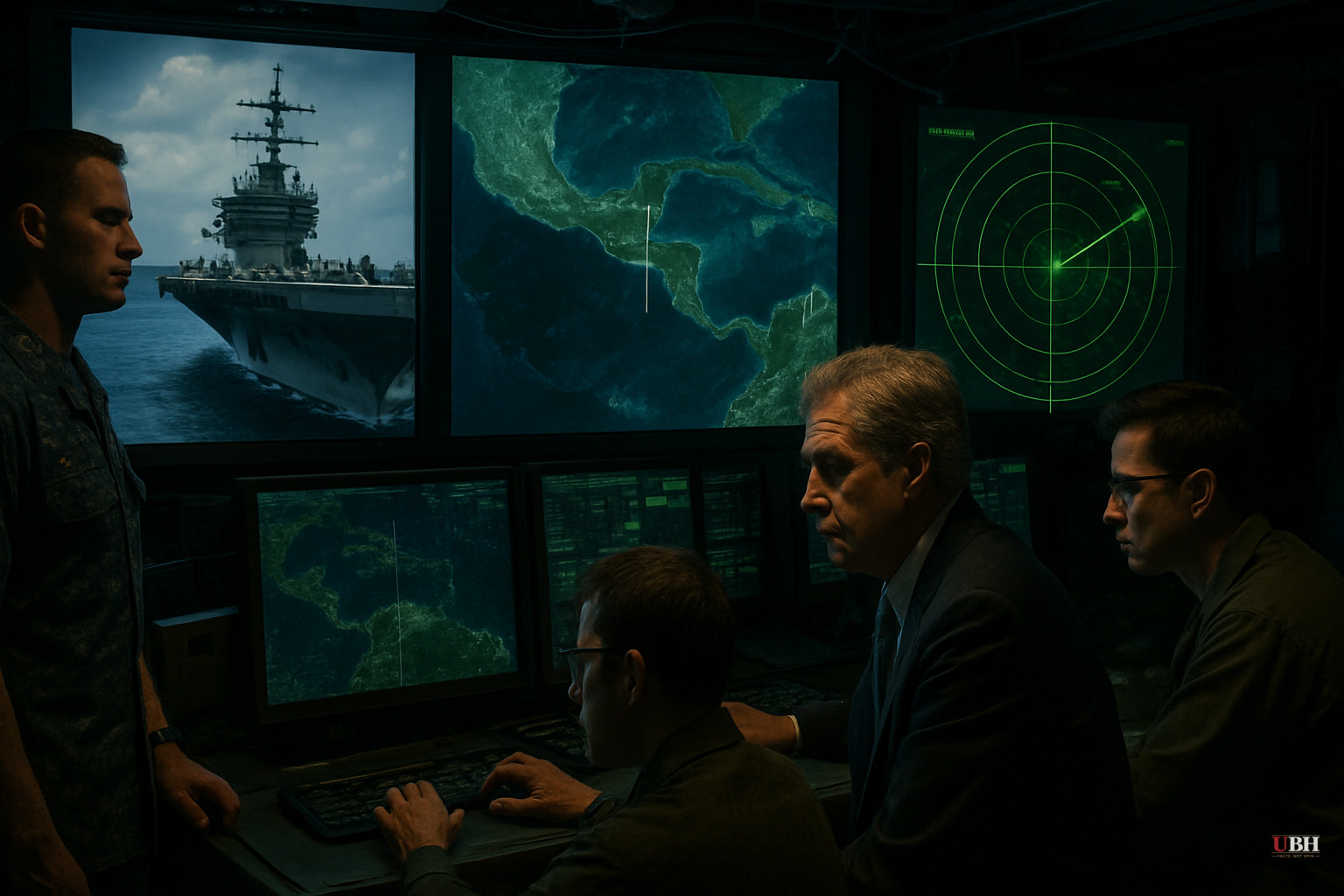
The Indictment Was One Piece of a Much Bigger Operation
Raúl Castro got indicted. The coverage has largely buried what happened in parallel: the USS Nimitz carrier strike group entered the southern Caribbean on the exact same day the Justice Department unsealed those charges, according to the New York Times.
The Trump administration hit Cuba with three simultaneous moves on Wednesday: a criminal indictment of its most powerful living figure, a nuclear-capable carrier parked in its neighborhood, and a CIA director making a quiet visit to Havana.
Ratcliffe Flew to Cuba — and Delivered Trump's Ultimatum Personally
CIA Director John Ratcliffe met with Raúl Guillermo Rodríguez Castro — Raúl Castro's grandson, known as "Raulito" — in Cuba on Thursday, according to CBS News. This followed an earlier U.S. visit last month.
Ratcliffe personally delivered President Trump's message: the U.S. is "prepared to seriously engage on economic and security issues, but only if Cuba makes fundamental changes." A CIA official told CBS News that Cuba can "no longer be a safe haven for adversaries in the Western Hemisphere."
The CIA director is hand-delivering ultimatums to a 94-year-old communist leader's grandson while a carrier battle group floats offshore and a federal indictment hangs over the old man's head. This is coercive pressure — structured, layered, and deliberate.
Cuba's Response: "Pretext for Military Action"
Cuba's ambassador to the United Nations told the New York Times that Havana wants to negotiate but believes the Trump administration is "not negotiating in good faith" and is "creating pretexts for military action."
Current Cuban President Miguel Díaz-Canel called the charges a "political manoeuvre, devoid of any legal foundation," according to BBC News.
The UN ambassador's specific allegation — that Washington is manufacturing pretexts — parallels what happened with Venezuela. Former Venezuelan leader Nicolás Maduro was indicted on drug charges in 2020. Earlier this year, U.S. forces captured him and flew him to New York for trial — a move CBS News described as a "daring operation" that installed an interim leader now working closely with Washington.
Venezuela was Cuba's primary economic lifeline before that operation.
How Castro Might Be Brought to Trial
Deputy Attorney General Todd Blanche was asked directly how Castro might actually be brought to trial — Cuba doesn't extradite. Blanche said "this isn't a show indictment," that the DOJ "intends to try the case," and that there are "all kinds of different ways" to bring in foreign defendants, according to CBS News.
He didn't elaborate. Everyone in that press conference room understood the reference.
The Operational Picture
The USS Nimitz deployment, the CIA director's direct meeting with Castro's heir apparent, the energy blockade already squeezing the island — Cuba has been hit with fuel shortages after the U.S. threatened sanctions on any country supplying it oil, per CBS News and BBC News — these are the story.
Cuba is already in crisis. BBC News reports widespread power outages after the U.S. effectively blockaded the island by threatening sanctions on fuel suppliers. The loss of Venezuelan support — after Maduro's removal — compounded an existing economic collapse.
Raúl Castro formally stepped down as Communist Party leader in 2021, but he is still acknowledged on the island as the surviving "leader of the Cuban Revolution." His grandson is the U.S. government's main point of contact. The old man still runs things from the shadows.
The indictment itself, unsealed April 23 according to CBS News, charges Castro with conspiracy to kill U.S. nationals, four counts of murder, and two counts of destruction of aircraft. The first count alone carries a maximum of life in prison. Murder charges carry a maximum penalty of death.
The Template
The Trump administration has a playbook: indict, isolate, pressure economically, deploy hardware, negotiate through back-channels, and wait for collapse or capitulation. It worked on Maduro. Whether it works on Cuba is uncertain — Cuba has survived this kind of pressure for 60 years.
A carrier is in the Caribbean. The CIA director is in Havana. A 94-year-old man faces a federal murder indictment he will almost certainly never answer in a courtroom. The U.S. government is running a regime-change pressure campaign 90 miles off the Florida coast, and it's doing it openly. Whether that ends in a negotiated deal, a Cuban collapse, or something messier — nobody is saying. Todd Blanche just said there are "all kinds of different ways" to bring in a defendant. He said it with a straight face.
Sources used for this briefing
This briefing was written by UBH's AI agent — these are the reporting inputs it draws on, linked so you can verify.


