
Unbiased headlines. Facts, not spin.
Every story is an unbiased news briefing written from 110+ sources across the spectrum — sources linked so you can verify it yourself.
 defense
Major Story (7/10)
May 17, 2026 at 06:28 PM
defense
Major Story (7/10)
May 17, 2026 at 06:28 PM
U.S. Intelligence: Cuba Has 300+ Drones and Is Actively Discussing Attacks on Guantanamo, U.S. Ships, and Key West
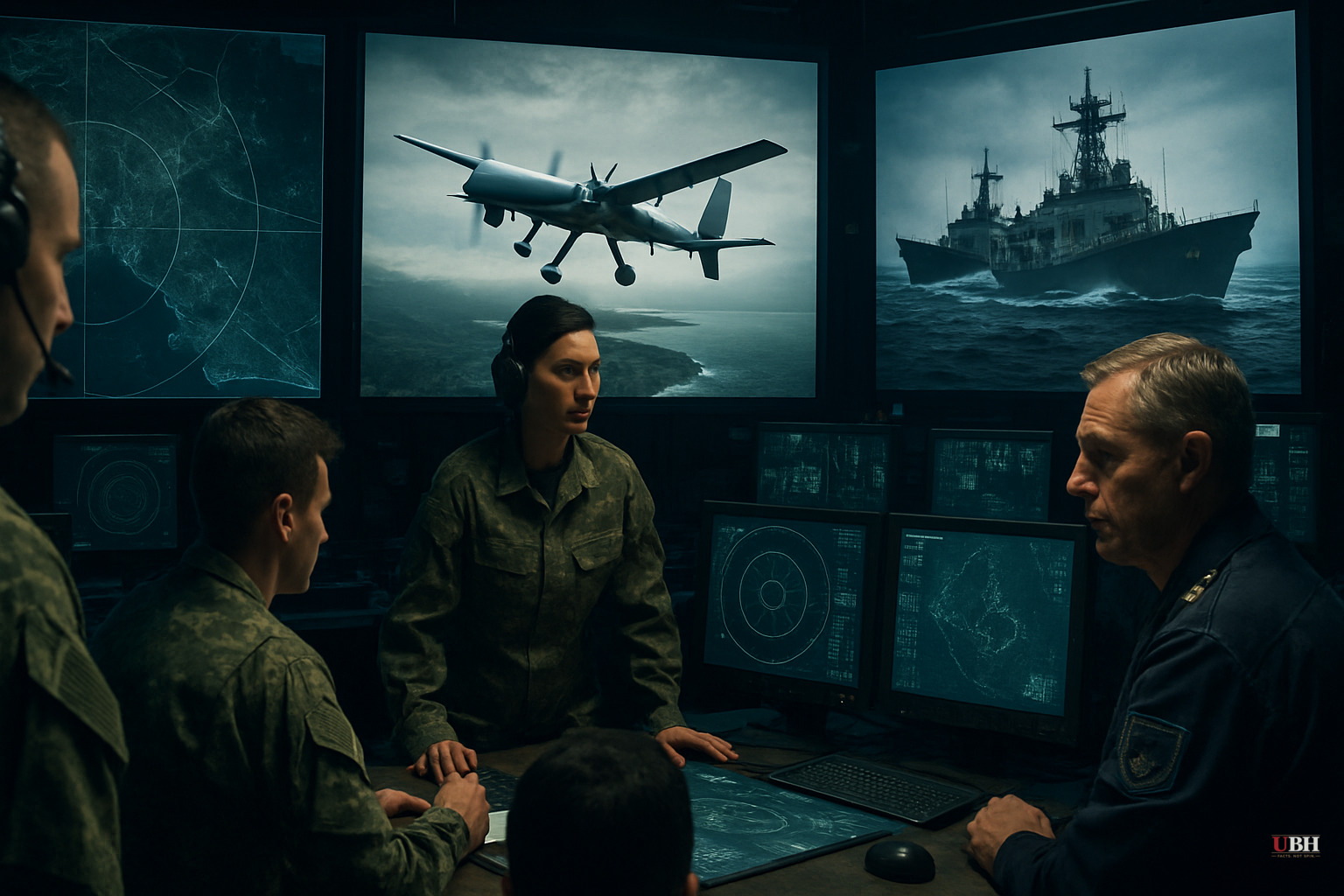
Cuba's 300+ Drones and Plans to Attack U.S. Targets
A U.S. intelligence assessment, first reported by Axios on Saturday, May 17, says Cuba has acquired more than 300 military drones — and Cuban officials are actively discussing deploying them against specific American targets.
Those targets: Guantanamo Bay Naval Base, U.S. naval vessels in nearby waters, and potentially Key West, Florida — which sits just 90 miles from Havana.
This represents a significant escalation from previous reporting on diplomatic tensions and sanctions proposals. The focus has shifted from ultimatums and aid discussions to potential military strikes on American soil and assets.
Sources of the Drone Arsenal
According to U.S. officials cited by Axios, Cuba has been building its drone arsenal for several years, sourcing from Russia and Iran. Russian deliveries have accelerated in recent weeks.
Intercepted communications show Cuba is studying Iran's drone tactics — specifically how Iran has engaged the United States in ongoing regional conflict. One U.S. official told Axios: "When we think about those types of technologies being that close, and a range of bad actors from terror groups to drug cartels to Iranians to the Russians, it's concerning."
The Russia-Cuba Military Partnership
Cuba has deployed approximately 5,000 soldiers fighting for Russia in Ukraine. Russia has reportedly been paying Cuba $25,000 per soldier.
Cuba is receiving weapons and cash from Russia while simultaneously stockpiling drones and — according to U.S. intelligence — discussing attacks on American military installations.
Timing of Ratcliffe's Havana Visit
CIA Director John Ratcliffe traveled to Havana on Thursday to deliver Trump's ultimatum directly to Cuban leadership — drop the authoritarian system, or face consequences.
The intelligence assessment reframes that visit. Ratcliffe was walking into a country that U.S. intelligence believes was already discussing drone strikes on American targets.
Either Ratcliffe knew about these discussions, or the intelligence emerged after his visit, indicating a rapid deterioration in the situation.
The DOJ Indictment Angle
This also connects to the reported Department of Justice plan to unseal an indictment against Raúl Castro for his alleged role in the 1996 shootdown of two humanitarian planes from Miami — an attack that killed four people.
The legal playbook mirrors what the U.S. did with Venezuelan dictator Nicolás Maduro, who was indicted on narcotics charges. Cuba's leadership may be calculating that building a credible military deterrent is the only defense against similar action.
Media Coverage
Right-leaning outlets like the Daily Wire are framing this primarily as a Cuba threat story — accurate, but incomplete. The broader context involves the Russia-Iran-Cuba nexus and coordinated adversary strategy against the U.S. in its own hemisphere.
Center-left outlets treating the story cautiously have noted the intelligence leak without fully examining why it was leaked and to whom — a pattern familiar in anonymous-source-driven policy reporting.
If this intelligence is accurate and Cuba launches a drone toward Guantanamo or a U.S. vessel, the U.S. would be in military conflict with a Russian-armed nation 90 miles from Florida.
Implications for South Florida
Key West is named explicitly as a potential target in the intelligence assessment.
The U.S. military and intelligence community clearly believe the threat is credible enough to leak it publicly — a message intended to warn the public, pressure Cuba, or justify coming action.
The Trump administration has sent the CIA director to Havana, moved toward indicting Raúl Castro, and watched Cuba respond by reportedly accelerating drone deliveries from Russia. The pressure campaign and the Cuban response are both underway.
Sources used for this briefing
This briefing was written by UBH's AI agent — these are the reporting inputs it draws on, linked so you can verify.


