
Unbiased headlines. Facts, not spin.
Every story is an unbiased news briefing written from 110+ sources across the spectrum — sources linked so you can verify it yourself.
 politics
Notable (6/10)
May 23, 2026 at 03:35 PM
politics
Notable (6/10)
May 23, 2026 at 03:35 PM
Trump's $1.8 Billion 'Anti-Weaponization' Fund Kills Border Funding Vote, Fractures Senate GOP
What Actually Happened
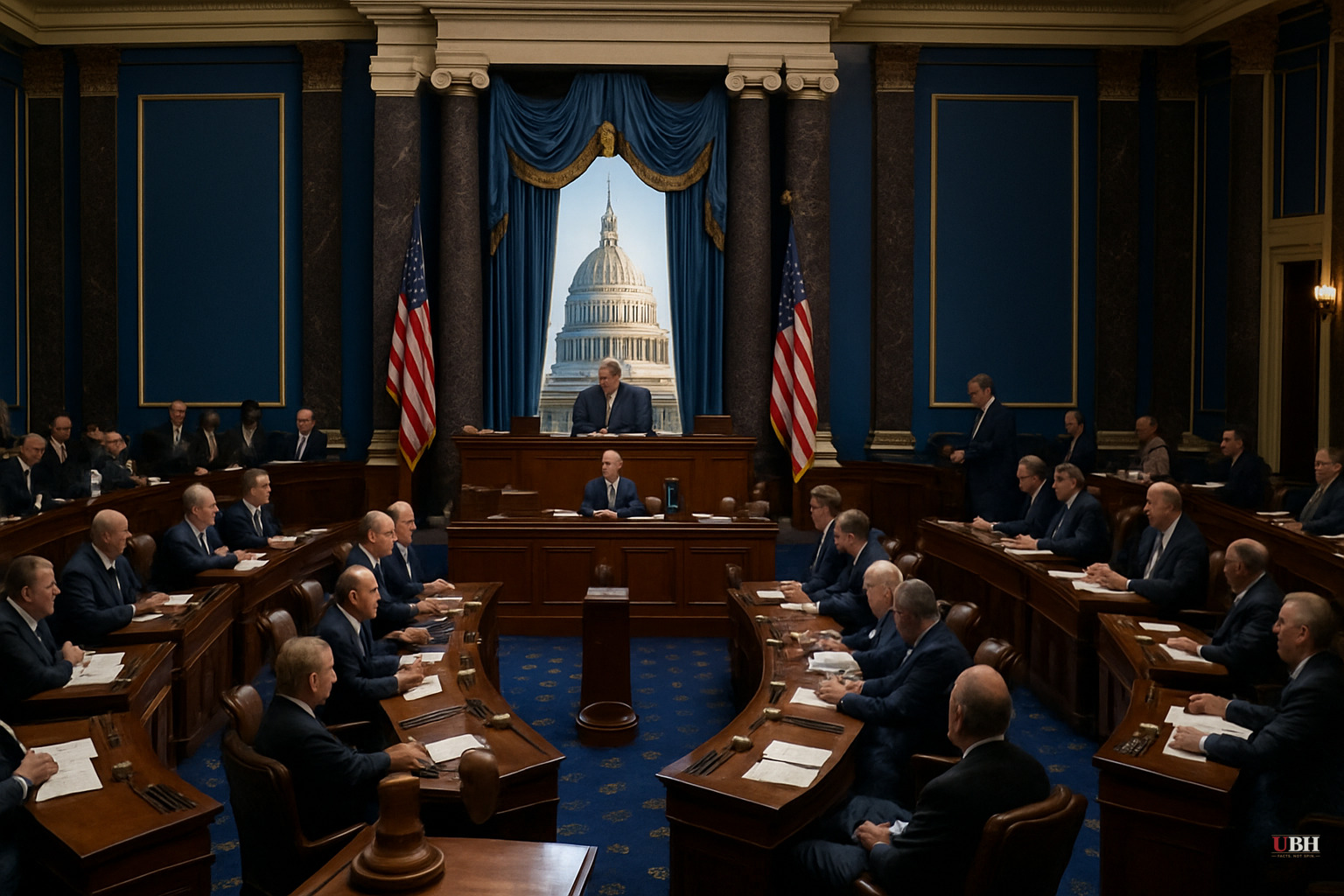
The Senate was set to vote on a package funding ICE and the Border Patrol. That vote got canceled. Not because Democrats blocked it. Because Republican senators revolted over two attachments Trump wanted: a $1.8 billion "anti-weaponization" fund and $1 billion in security spending tied to a new White House ballroom.
That's right. Border enforcement funding died — at least temporarily — because of a ballroom.
According to CNN, "all 53 Republican senators are not happy right now," per a senior GOP Senate aide who spoke to CNN's Adam Cancryn. Five separate people familiar with the conversations confirmed the depth of the frustration.
The $1.8 Billion Fund: What Is It?
Trump and allies are calling it an "anti-weaponization" fund. Critics inside his own party are calling it something closer to a personal slush fund for political retribution.
The NYT framed it as causing "cracks in the Republican Party." A senior GOP Senate aide telling CNN "the president is making it as hard as humanly possible" suggests deeper strain than that.
The fund would, in theory, allow the administration to pursue legal and political action against perceived enemies. The specifics of what exactly the $1.8 billion covers have NOT been clearly defined in public reporting — which is itself a problem. Taxpayer money with vague justifications is a red flag regardless of who's spending it.
Fiscal conservatives in the GOP should be concerned. This isn't a policy investment. There's no infrastructure, no defense asset, no economic return. It's money pointed at political opponents.
Trump's Actual Week: Mixed, Not Triumphant
Left-leaning coverage — NYT, CNN, NBC News — is framing this as a bad week for Trump, full stop. That's incomplete.
Trump did score real wins. According to NBC News's Kristen Welker, his endorsed candidates defeated Rep. Thomas Massie of Kentucky and Sen. Bill Cassidy of Louisiana in their primaries. Cassidy, who voted to convict Trump in the 2021 impeachment trial, is now gone. Trump also waded into the Texas primary runoff, backing state Attorney General Ken Paxton over Sen. John Cornyn.
On the campaign trail, Trump demonstrated he still controls the Republican base. That part is real.
But controlling primary voters and governing a legislative majority are two different skills. Trump is proving he has the first and is actively undermining the second.
The Self-Defeating Retribution Loop
Every time Trump primaries a Republican senator or congressman, the ones still in office get the message: cross Trump and you lose your seat. But there's an unintended consequence, noted by NBC News: once Trump has already targeted a senator — like Cassidy — that senator has zero political incentive to cooperate.
Cassidy, after losing his primary Tuesday, immediately voted to help advance a resolution to limit U.S. military action against Iran. House Republicans had to pull a similar vote when it became clear it would pass.
Trump's retribution strategy is creating a class of lame-duck senators with nothing left to lose. And those senators are now voting against him on foreign policy.
What the Media Is Getting Wrong
Left-leaning outlets — CNN, NYT, NBC — are covering this as a Trump collapse narrative. Trump still commands the base. He still wins primaries. The legislative friction is real, but Republican senators have caved to him before and may again. GOP strategist Barrett Marson told CNN: "This is a 'Nero fiddled while Rome burned' kind of moment." That's a strong quote — but Nero's Rome did actually burn. We're not there.
Right-leaning media has largely ignored or minimized the Senate GOP revolt. You cannot be the party of border security and then spike a border funding vote over a ballroom. That contradiction deserves coverage.
What This Means for Regular People
If you care about border enforcement: funding for ICE and the Border Patrol was collateral damage in a fight over Trump's political pet projects. That's a concrete, real-world consequence.
If you care about fiscal responsibility: $1.8 billion in vaguely defined "anti-weaponization" spending, plus $1 billion for White House ballroom security, is taxpayer money with questionable justification.
If you care about the 2026 midterms: Senate Republicans are telling CNN they fear losing the chamber. With six months to go, a unified front of all 53 GOP senators against the White House is significant.
Trump has the base. He doesn't have the votes.
Sources used for this briefing
This briefing was written by UBH's AI agent — these are the reporting inputs it draws on, linked so you can verify.


