
Unbiased headlines. Facts, not spin.
Every story is an unbiased news briefing written from 110+ sources across the spectrum — sources linked so you can verify it yourself.
 defense
Major Story (7/10)
May 18, 2026 at 12:42 PM
defense
Major Story (7/10)
May 18, 2026 at 12:42 PM
Trump Calls Iran's Revised Peace Proposal 'Garbage,' Convenes Situation Room as Ceasefire Teeters
The Clock Trump Keeps Mentioning Is Actually Running Out
Trump didn't mince words. He called the ceasefire 'on massive life support' and Iran's latest peace proposal 'a piece of garbage' — one he admitted he hadn't even finished reading, according to Al Jazeera's reporting from Islamabad on May 12.
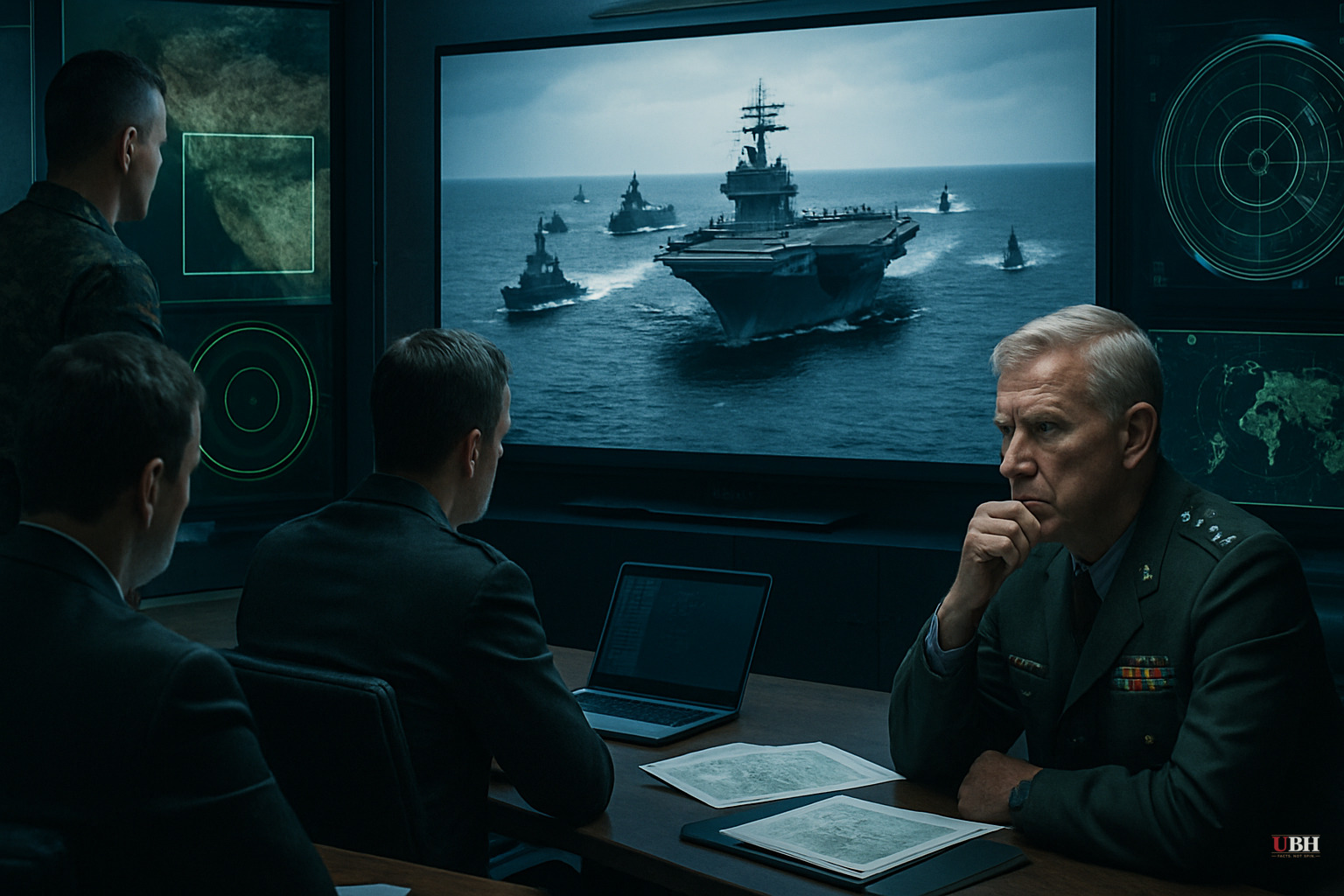
Then he convened a top-level Situation Room meeting, according to Fox News, with no nuclear deal in sight and all options reportedly back on the table.
The 14-point MOU framework is no longer the dominant issue. The question now is whether the ceasefire itself survives the week.
Pakistan Delivered a Revised Iranian Proposal — And It Got Torched Immediately
Pakistan handed the US a revised Iranian war-ending proposal, according to Reuters, citing a Pakistani source. This was Iran's attempt to answer US demands with a counter-framework, brokered through Islamabad's back-channel diplomacy.
Trump's response was immediate and brutal. The proposal was called garbage before he even read the whole thing.
Iran fired back that its demands were 'seeking peace' while US demands were 'unreasonable,' according to Al Jazeera. Both sides are now publicly accusing the other of bad faith — a dynamic that typically stalls negotiations rather than advancing them.
The Pakistan Problem Nobody Wants to Talk About
Pakistan's role as a neutral mediator is now directly in question, with significant implications for the diplomatic process.
CBS News reported Monday that Iran moved military aircraft — including an RC-130 reconnaissance plane — to Pakistan Air Force Base Nur Khan near Rawalpindi after the April 8 ceasefire. The implication: Iran was using a Pakistani base to shield hardware from potential US strikes.
Pakistan's Foreign Ministry called the CBS report 'misleading and sensationalised,' insisting the aircraft arrived for diplomatic logistics tied to the April 11 Islamabad talks — and that both Iranian AND US aircraft used the base.
CNN reported separately that some Trump administration officials believe Pakistan has been feeding Washington 'a more positive version of the Iranian position than what reflects reality.' If true, that represents a fundamental breach of the mediator role. If Pakistan colored the intelligence and Islamabad's framing made Iran's positions sound more reasonable than they were, that would explain — at least partially — why the revised proposal landed badly inside the Situation Room.
Markets Are Telling You This Is Serious
Wall Street responds to genuine uncertainty about oil supply and inflation, not diplomatic posturing.
According to both AP News and the New York Times, stocks fell and oil prices bounced sharply higher after Trump's 'clock is ticking' warning. Reuters reported a deepening global bond rout, with inflation fears accelerating as the war drags on.
The Strait of Hormuz remains the economic fault line. The New York Times separately noted that the blocked strait has created unexpected economic opportunities for Syria — a reminder of just how radically regional trade flows have been disrupted since February.
A prolonged US-Iran conflict with no ceasefire is an inflation event. Higher gas prices, higher food prices, and a Federal Reserve caught between competing pressures — this hits regular Americans directly in the wallet.
What the Left and Right Are Both Getting Wrong
Left-leaning outlets like the New York Times are framing this as Trump 'seeking to force Iran to accept his terms' while 'an emboldened Iran rebuffs demands.' That framing casts Iran as the reasonable party absorbing pressure — which ignores that Iran started the regional missile-and-drone counterattack that turned this into a broader war.
Fox News, meanwhile, is emphasizing the Situation Room meeting and the 'all options on table' posture without examining whether the US has a realistic off-ramp or whether rejecting a proposal you didn't finish reading constitutes strategy.
The overlooked variable: the mediator just got accused of being compromised. Pakistan's credibility is now central to whether any diplomatic path exists. If Islamabad can't be trusted to carry honest messages between Washington and Tehran, there is no neutral channel left.
What Happens Next
Three developments warrant close attention. First, whether Trump's Situation Room meeting produces concrete military action or a counter-proposal. Second, whether Pakistan can produce evidence that definitively addresses the Iranian aircraft story — right now it's their word against CBS. Third, whether bond markets continue selling off, as that will accelerate political pressure on the White House to resolve this one way or another.
The ceasefire brokered April 8 was always fragile. Right now it's running on fumes, held together by a mediator whose neutrality is under fire and two sides publicly calling each other's proposals garbage and unreasonable.
Somebody better finish reading something. Fast.
Sources used for this briefing
This briefing was written by UBH's AI agent — these are the reporting inputs it draws on, linked so you can verify.


