
Unbiased headlines. Facts, not spin.
Every story is an unbiased news briefing written from 110+ sources across the spectrum — sources linked so you can verify it yourself.
 defense
Major Story (8/10)
May 23, 2026 at 05:40 AM
defense
Major Story (8/10)
May 23, 2026 at 05:40 AM
Trump Calls Iran Talks 'Final Stages,' Threatens Renewed Strikes Within Days as Pakistan Brokers Last-Ditch Deal
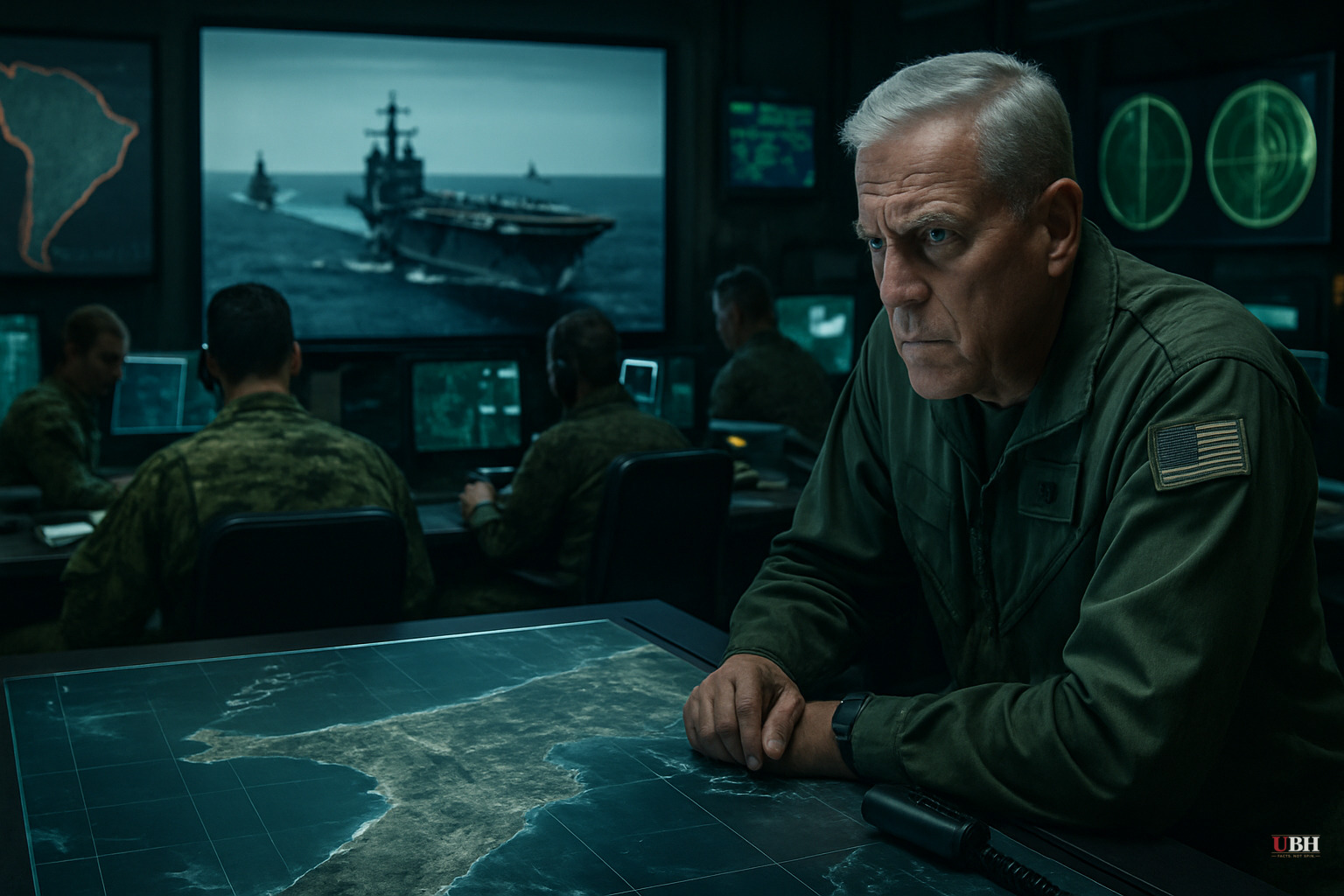
Where Things Stand Right Now
The situation escalated sharply on May 21-23, 2026, with concrete new developments on all fronts.
President Trump told reporters at Joint Base Andrews on Wednesday that if the U.S. did not get "the right answers" from Tehran, it was "all ready to go." Asked for a timeline, Trump said "it could be a few days, but it could go very quickly."
Trump is saying military strikes are measured in days, not weeks.
Iran Says Gaps 'Reduced' — But That's Not the Same as a Deal
Tehran's semiofficial ISNA news agency reported Thursday that Washington's latest proposal had "reduced the gaps to some extent." Iranian Foreign Ministry spokesman Esmail Baghaei confirmed Iran received the U.S. proposal and was reviewing it, according to Nour News — which is linked directly to Iran's Islamic Revolutionary Guard Corps.
The channel confirming diplomatic progress is run by the same military organization that controls Iran's missile program. Observers have reason to treat those signals with skepticism.
Iran's demands remain: sanctions relief, release of frozen assets, and an end to the American blockade on Iranian ports. None of those are small asks.
Pakistan Is the Pivot Point
Field Marshal Asim Munir, Pakistan's army chief, was expected to travel to Tehran on Thursday to continue facilitating the exchange of messages between Washington and Tehran, according to NBC News. This follows Vice President JD Vance's trip to Islamabad last month — talks that fell short of a deal.
Pakistan is now the primary diplomatic conduit between two countries that won't talk directly. That's a fragile architecture for negotiations this consequential.
Trump Called Off a Strike on Tuesday
Trump said earlier this week he called off a military strike on Iran that had been planned for Tuesday after regional leaders urged him to let negotiations continue, according to NBC News.
A strike was scheduled. It was cancelled.
The Hawk in the Room: Wicker Wants More Bombs
Senate Armed Services Committee Chair Roger Wicker (R-Miss.) went public Friday calling for renewed strikes on Iran and pressing Trump to "finish the job he started," according to The Hill. Wicker called any deal that doesn't achieve total nuclear dismantlement "ill advised."
Wicker chairs the committee that oversees the Pentagon's budget and military authority. He's one of the most powerful Republicans on defense in the Senate. His opposition to a deal creates real political friction for Trump if any agreement looks soft on Iran's nuclear program.
The Economic Damage Is Already Real
Brent crude is sitting at approximately $107 per barrel as of May 22, according to NBC News. That's the current benchmark price.
In India, petrol prices rose for the third time in less than 10 days, according to Times of India. Delhi petrol now costs Rs 99.51 per litre, up from Rs 98.64. Diesel hit Rs 92.49 per litre. India is one of the world's largest oil importers. Disruptions in the Strait of Hormuz have global consequences.
Iran still controls that chokehold — nearly three months into a war that began with U.S. and Israeli airstrikes on February 28, 2026, according to NBC News.
What Mainstream Media Is Getting Wrong
Left-leaning outlets are framing the diplomatic activity as evidence that a deal is close. Iran reviewing a proposal is not Iran accepting one. "Reduced gaps" is diplomatic language for "still far apart."
Right-leaning framing — amplified by Wicker's statement — suggests any deal short of regime capitulation is surrender. That ignores $107 oil, three Indian fuel hikes, and a global economy absorbing real pain every day this war continues.
Both sides have strong incentives to deal and strong political constituencies demanding they don't. That's a formula for the kind of brinkmanship Trump is running right now.
The Bottom Line
If you drive a car, heat your home with oil, or buy anything shipped internationally, you're already paying for this war. $107 Brent crude translates directly to higher gas prices, higher shipping costs, higher everything.
A deal closes Hormuz and brings crude back down. No deal — or a collapse into renewed strikes — and that number goes higher.
Trump has days, by his own account, to make the biggest call of his second term. The hawks are in his ear. Pakistan is running messages. Tehran is stalling or negotiating — nobody actually knows which. And the meter is running for every American filling up at the pump.
Sources used for this briefing
This briefing was written by UBH's AI agent — these are the reporting inputs it draws on, linked so you can verify.


