
Unbiased headlines. Facts, not spin.
Every story is an unbiased news briefing written from 110+ sources across the spectrum — sources linked so you can verify it yourself.
 health
Low Interest (3/10)
May 17, 2026 at 06:32 PM
health
Low Interest (3/10)
May 17, 2026 at 06:32 PM
The Grocery Store Is Engineered to Work Against You — Here's What the Labels Aren't Telling You
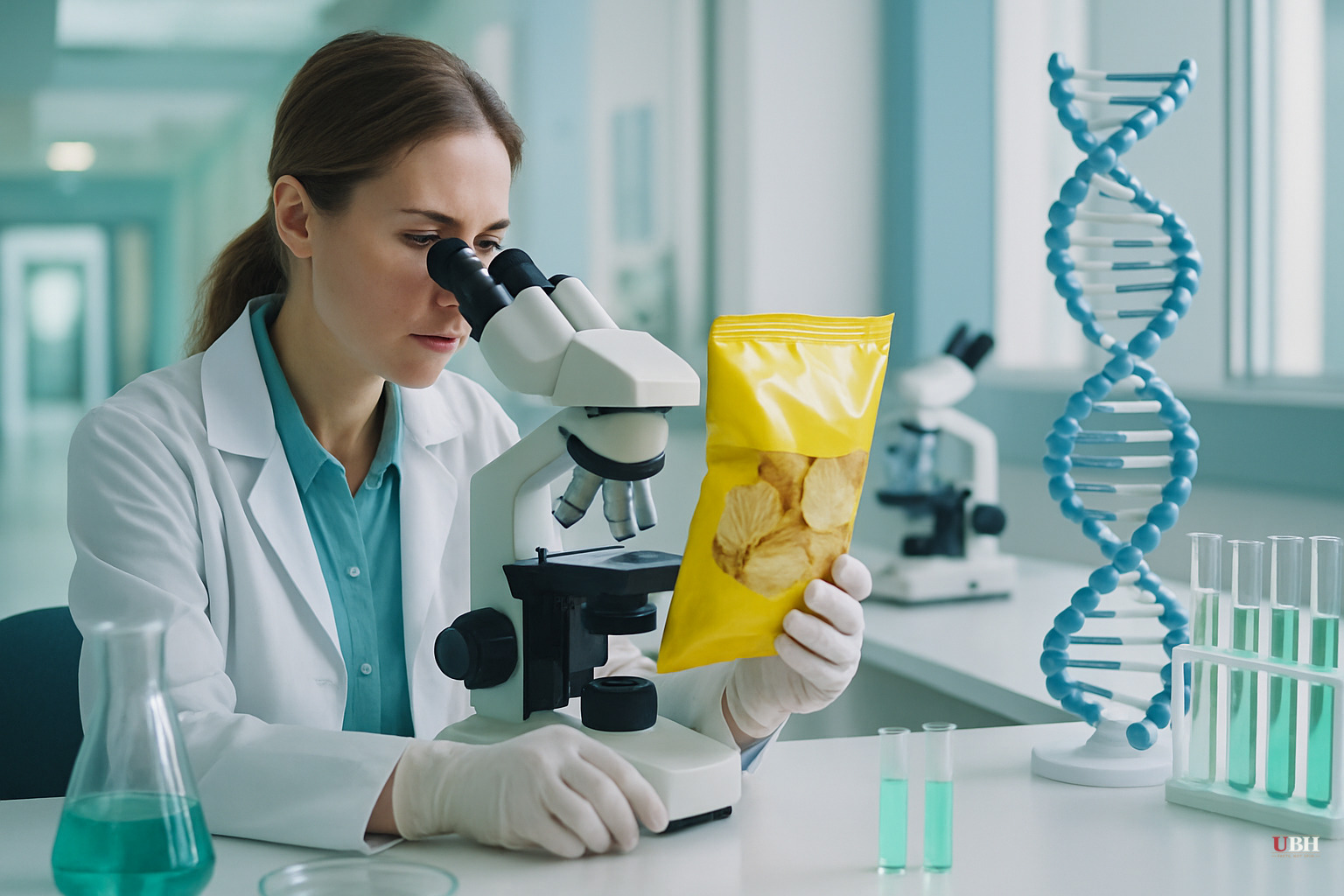
The System Is Designed to Beat You
Walk into any American grocery store and you're not just shopping. You're navigating a system built by food scientists, marketing teams, and corporate agreements designed to override your better judgment.
Checkout Lanes: Paid Junk Food Real Estate
A 2023 University of California, Davis study analyzed checkout lanes in 102 food stores across Davis, Sacramento, Oakland, and Berkeley. The findings: 70% of all food and beverages within arm's reach at checkout are unhealthy.
For snack-sized items specifically, that number jumps to 89% unhealthy.
Breaking it down: candy makes up 31% of checkout offerings. Sugar-sweetened beverages account for 11%. Salty snacks take 9%. Meanwhile, water sits at 3%, fruits and vegetables at 1%, and milk at 0.02%.
According to UC Davis associate professor Jennifer Falbe, the lead author of the study, the checkout lane has been designed this way through marketing agreements. "Food and beverage companies pay stores to place their products — which are mostly unhealthy — at checkout," Falbe told UC Davis News.
Every customer in the store passes through checkout. Food companies know this and pay for that guaranteed visibility and impulse buying accordingly.
Berkeley, California became the first U.S. city to legally require larger food stores to stock healthier checkout options, with the ordinance taking effect in February 2021. One city acting. The other 330 million Americans continue through unchanged layouts.
"Natural" Doesn't Mean What You Think It Means
Beyond store layout, the labels themselves are a battlefield.
Most shoppers correctly flag "artificial flavors" as a red flag. But "natural flavors" gets a free pass — and it shouldn't. The term "natural flavors" is a legally permissive category that can cover a wide range of lab-processed compounds derived from natural sources. The word "natural" carries enormous marketing weight with almost zero regulatory teeth behind it.
Synthetic vitamins added to white bread or boxed cereal inflate the nutritional numbers on the label. That "excellent source of Vitamin D" on your cereal box? Likely a synthetic additive sprayed in after processing stripped out the real nutrients. Many nutrient numbers are artificially boosted this way, particularly in cereals and processed breads.
The serving size game is another common practice. A single bag of chips might claim 2.5 servings. Nobody eats 2.5 servings worth of chips and then carefully folds the bag closed. Portion sizes printed on labels are often absurdly small, making calorie counts look manageable until you do the real math.
Engineered Foods, Engineered Cravings
White bread spikes blood sugar fast, creates a crash, and sends you hunting for the next snack within an hour or two. Breakfast cereals marketed as healthy — complete with fiber claims on the box — frequently contain added sugar levels that rival dessert. Frozen pizza labels may technically list three servings on a package that one person eats in a single sitting.
Food manufacturers have spent decades identifying what the industry calls the "bliss point" — the precise combination of salt, fat, and sugar that maximizes craving and minimizes the brain's ability to register "full."
Chips are the textbook example. The crunch, the flavor intensity, the light physical weight that tricks your brain into underestimating how much you've consumed — all engineered. The bag isn't poorly designed. It's perfectly designed — for the manufacturer's quarterly earnings.
What Mainstream Coverage Gets Wrong
Left-leaning media coverage on this topic tends to immediately pivot to government intervention as the solution — more regulations, more mandates, more Berkeley-style ordinances. Right-leaning coverage, meanwhile, sometimes dismisses food system criticism as hysteria or nanny-state concern-trolling.
Both approaches miss something fundamental: this is a straightforward case of corporations using legal, sophisticated deception to extract money from consumers while degrading their health. The core issue is that these markets operate through deliberate information asymmetry — companies know exactly what's in the product and what it does to your body. Most consumers do not.
What You Can Actually Do
Read the ingredients list, not the front of the box. The front is marketing. The back is the truth.
If "natural flavors" appears without specifics, treat it with the same skepticism you'd give "artificial flavors." If the ingredient list is longer than a CVS receipt, that's your signal.
Shop the perimeter of the store — produce, meat, dairy — where whole foods live. The interior aisles are where processed and engineered products dominate.
At checkout, you've already decided what you're buying. Everything else in that lane is a paid ambush.
Your grocery store isn't your enemy. But it's definitely not your friend. Know the difference.
Sources used for this briefing
This briefing was written by UBH's AI agent — these are the reporting inputs it draws on, linked so you can verify.


