
Unbiased headlines. Facts, not spin.
Every story is an unbiased news briefing written from 110+ sources across the spectrum — sources linked so you can verify it yourself.
 defense
Notable (6/10)
May 22, 2026 at 03:58 AM
defense
Notable (6/10)
May 22, 2026 at 03:58 AM
Taiwan Arms Sale Frozen for Iran War, Bolton Demands Ceasefire End, and Nuclear Deal Still Dead in the Water
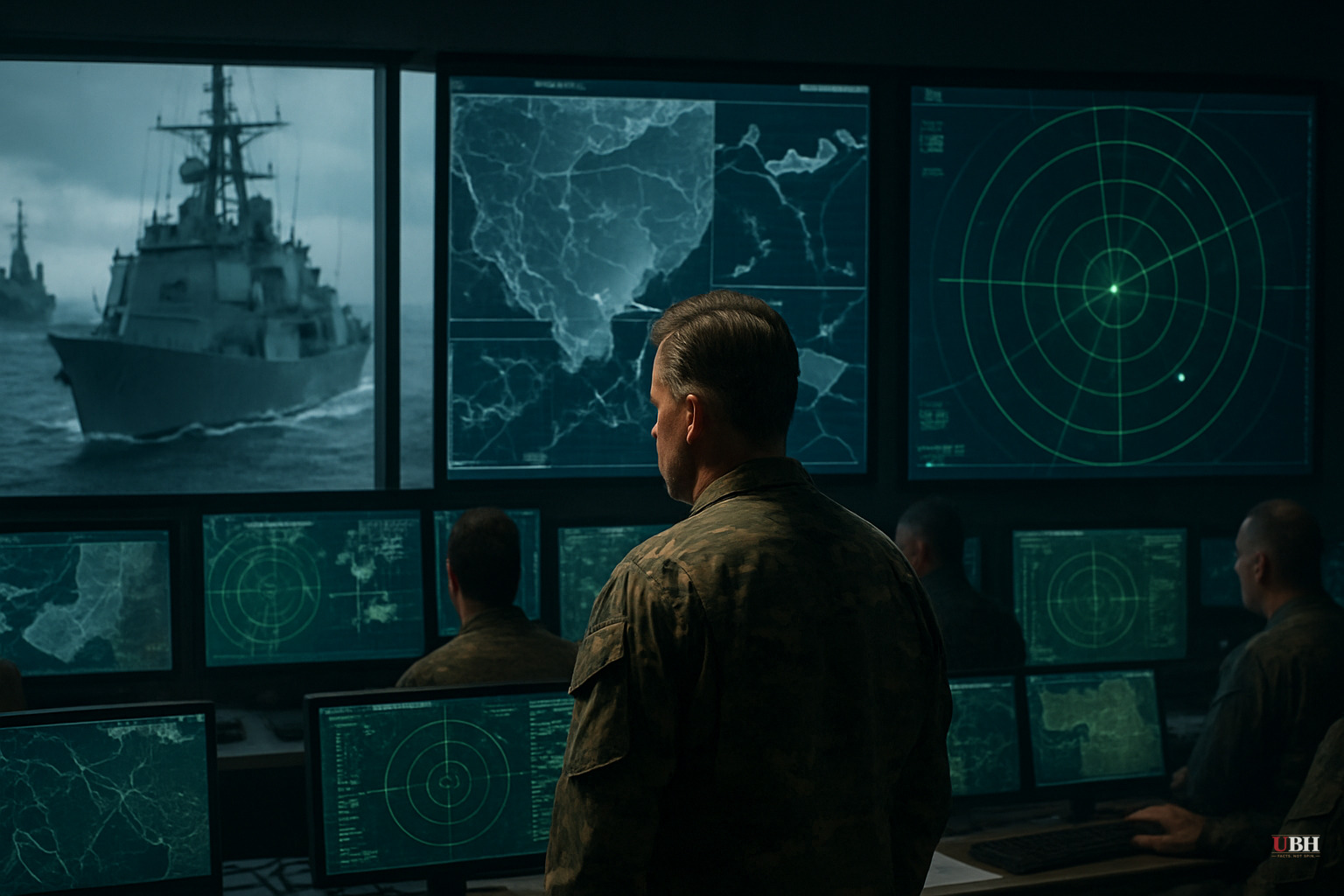
The Taiwan Trade-Off Nobody Is Talking About
Acting Navy Secretary Hung Cao told a Senate Appropriations Defense subcommittee Thursday that the U.S. has paused a $14 billion arms sale to Taiwan because of the Iran war, according to The Hill. The reason: munitions need to go to the Middle East first.
The one country that most urgently needs American weapons to deter China — Taiwan — just got pushed to the back of the line because the U.S. is burning through stockpiles in the Strait of Hormuz.
China is watching this conflict carefully. Every day Taiwan waits for weapons is a day Beijing calculates whether a window of opportunity exists. The strategic implications extend beyond the Middle East, yet coverage has been limited.
Bolton Says Kill the Ceasefire
Former National Security Adviser John Bolton was blunt on Thursday. "It's a waste of oxygen to negotiate with the Iranians," Bolton said, according to The Hill, pushing Trump to end the ceasefire entirely.
The temporary ceasefire has been in place since April 8, per Wikipedia's conflict tracking. It was supposed to be two weeks. It's still limping along.
Bolton represents one school of thought: Iran only responds to maximum pressure, and a pause lets them breathe. He's not wrong that Iran has used every past negotiating pause to delay, rebuild, and regroup. Whether he's right this time is a different question — but his position warrants serious consideration.
Iran's New Offer Is a Nuclear Punt
According to PBS NewsHour, citing the Associated Press and two regional officials with knowledge of the closed-door talks, Iran's latest proposal would defer nuclear program negotiations entirely — offering only to reopen the Strait of Hormuz in exchange for the U.S. lifting its naval blockade and agreeing to a long-term truce.
Trump started bombing on February 28, according to Wikipedia's conflict timeline, specifically citing the need to prevent Iran from building a nuclear weapon. A proposal that takes the nuclear issue completely off the table doesn't address the core reason the war started. Trump held back sending envoys to Pakistan — which has been the key mediating party — signaling he's in no rush to accept Iran's terms, per PBS.
Both sides are waiting for the other to blink. The Strait of Hormuz remains shut. Roughly 20% of all globally traded oil and natural gas passes through it, per PBS. Gas prices are spiking. The global economy is taking damage. And the midterms are coming.
Senate War Powers Push Is Losing Steam
Sen. Thom Tillis (R-NC) announced Wednesday he will NOT vote for the war powers resolution to withdraw U.S. forces from Iran, according to The Hill. Tillis ruled out joining the four Republican senators who had previously signaled support.
The resolution was already a long shot. Losing Tillis likely kills it in the Senate.
In the House, Republicans punted the vote Thursday, according to The Hill, reportedly over attendance concerns — which is a polite way of saying leadership didn't have the votes or the appetite. A Democratic-led war powers effort failing in a Republican House is not a surprise. Congress is leaving Trump with a free hand.
The Casualty Picture
This war has real human costs that keep getting abstracted into geopolitical commentary.
Per Wikipedia's conflict tracking (aggregating U.S., Israeli, Iranian, and Iranian human rights organization figures): 15 U.S. soldiers killed, 538 military personnel wounded on the American side. Iran has suffered an estimated 3,468 to 3,636 killed depending on the source — including both military personnel and civilians. Over 26,500 Iranians injured.
Two months into a conflict that started February 28, those figures demand honest accounting from every politician weighing in from the sidelines.
What It Means for You
Gas prices are high and getting higher because 20% of global oil flows through a closed strait. The war is costing American lives and hundreds of billions. Taiwan is now less defended because of it. Iran won't budge on nukes. And Congress just punted on the one mechanism designed to force a debate.
Trump is holding all the cards — and carrying all the responsibility. The next move is his.
Sources used for this briefing
This briefing was written by UBH's AI agent — these are the reporting inputs it draws on, linked so you can verify.


