
Unbiased headlines. Facts, not spin.
Every story is an unbiased news briefing written from 110+ sources across the spectrum — sources linked so you can verify it yourself.
 economy
Notable (6/10)
May 15, 2026 at 05:26 AM
economy
Notable (6/10)
May 15, 2026 at 05:26 AM
Senators Cotton, Cruz, and Boozman Press Pentagon to Fund Untapped Arkansas Lithium Deposit as China Tightens Grip on Global Supply
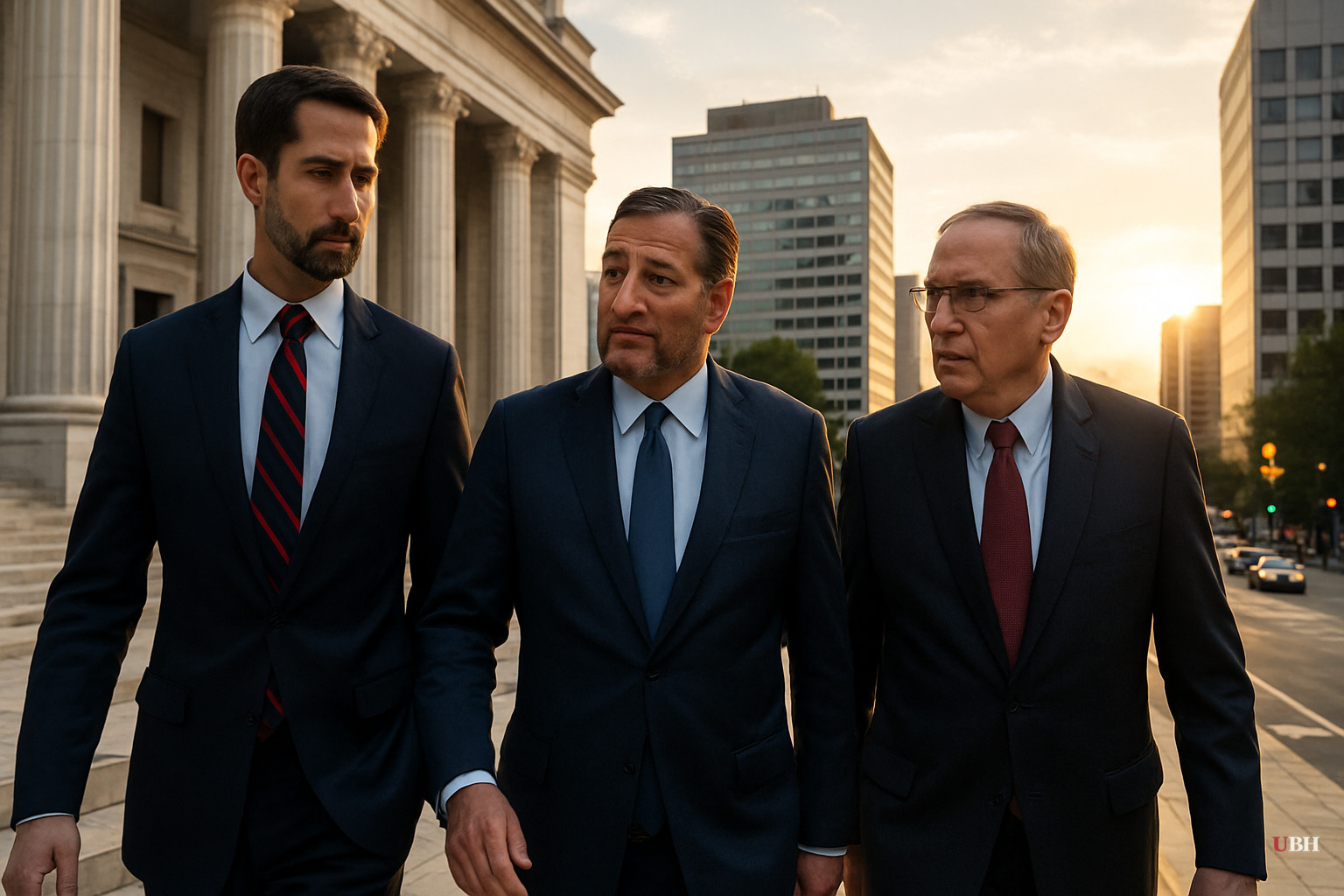
The U.S. Military Runs on Lithium It Doesn't Control
The United States produces approximately 1% of the world's lithium. China controls the rest of the supply chain — production, processing, and export.
According to a May 12, 2026 letter from Senator Tom Cotton's office, critical U.S. military systems — including Tomahawk Land Attack Missiles, Patriot PAC-3 batteries, Hellfire missiles, and Terminal High Altitude Area Defense (THAAD) systems — all rely on lithium-based battery technology for guidance, power, and reliability.
The missiles the U.S. would fire in a conflict with China run on materials China controls.
What the Senators Are Actually Asking For
On May 12, Cotton, along with Senator Ted Cruz (R-TX) and Senator John Boozman (R-AR), sent a letter to David Lorch, Director of the Pentagon's Office of Strategic Capital (OSC), according to Cotton's official Senate press release.
The ask: treat domestic lithium development — specifically in the Smackover Formation — as a priority investment target. They want the Pentagon to use OSC engagement, Title III Defense Production Act authorities, and other available financing mechanisms to get this done.
The senators set a deadline. They requested answers to specific questions about investment criteria and the Pentagon's critical mineral procurement process by May 25, 2026.
They also asked Lorch directly whether his office needs additional legislative tools to make it happen.
What Is the Smackover Formation?
The Smackover Formation is a brine-rich geological stratum stretching beneath Arkansas, Louisiana, and Texas. According to Cotton's Senate office, recent assessments indicate it may represent one of the most significant lithium brine deposits in the Western Hemisphere.
North America's top lithium brine resource sits largely untapped within U.S. borders.
This isn't a new discovery — but the urgency is escalating. China has been tightening lithium export restrictions, according to Cotton's October 2025 letter to Secretary of Defense Pete Hegseth. Beijing is deliberately consolidating its grip on the market.
This Is Round Two
The May 2026 letter to OSC Director Lorch is not the first time Cotton has pushed the Pentagon on Smackover lithium. On October 17, 2025, Cotton, Boozman, and Senator John Cornyn (R-TX) sent a separate letter directly to Secretary Hegseth urging support for American lithium producers — specifically naming Standard Lithium Ltd. (SLI) as the operator with the most advanced projects in the Arkansas and Texas Smackover region and the only proven direct lithium extraction (DLE) technology currently operating in the United States, according to that letter.
Seven months later, they're still pushing. The Pentagon has not moved fast enough.
What Mainstream Coverage Is Missing
Most mainstream outlets — left and right — frame the lithium conversation almost entirely around electric vehicles and climate policy.
The real story is military supply chain vulnerability. It's not about Teslas. It's about whether American missiles work in a conflict.
The Collins-King $3.6 billion battery investment announcement from May 2022 — highlighted by Senators Susan Collins and Angus King — was framed almost entirely around clean energy and climate goals, according to Senator King's official press release. That money went toward EV battery manufacturing and recycling. But the defense angle was an afterthought, buried under language about "fighting climate change" and "integrating renewables."
Four years later, the defense supply chain problem those billions were supposed to partially address remains unresolved. China still dominates. The Smackover still sits largely undeveloped.
The Hard Question Nobody's Asking Out Loud
If China decided tomorrow to cut off lithium exports entirely — the way they've been tightening restrictions — how long before U.S. precision munitions production hits a wall?
Cotton's letter is attempting to force that answer from the Pentagon.
What This Means for Regular Americans
If American weapons systems become dependent on an adversary for their core components, that adversary gains leverage — over foreign policy, over military deterrence, over every conflict calculation the U.S. makes.
The Smackover Formation is a genuine strategic asset sitting in the American South. Developing it doesn't require a climate agenda or a corporate bailout — it requires treating mineral supply chains with the same seriousness as aircraft carriers.
Cotton, in a statement to Breitbart News, called it "an unacceptable vulnerability."
The question is whether the Pentagon answers by May 25 — or defers action for another seven months while China tightens its control of the global supply.
Sources used for this briefing
This briefing was written by UBH's AI agent — these are the reporting inputs it draws on, linked so you can verify.


