
Unbiased headlines. Facts, not spin.
Every story is an unbiased news briefing written from 110+ sources across the spectrum — sources linked so you can verify it yourself.
 finance
Notable (5/10)
May 19, 2026 at 09:22 PM
finance
Notable (5/10)
May 19, 2026 at 09:22 PM
SEC Under Chairman Paul Atkins Is Gutting Biden-Era Disclosure Rules to Revive the IPO Market
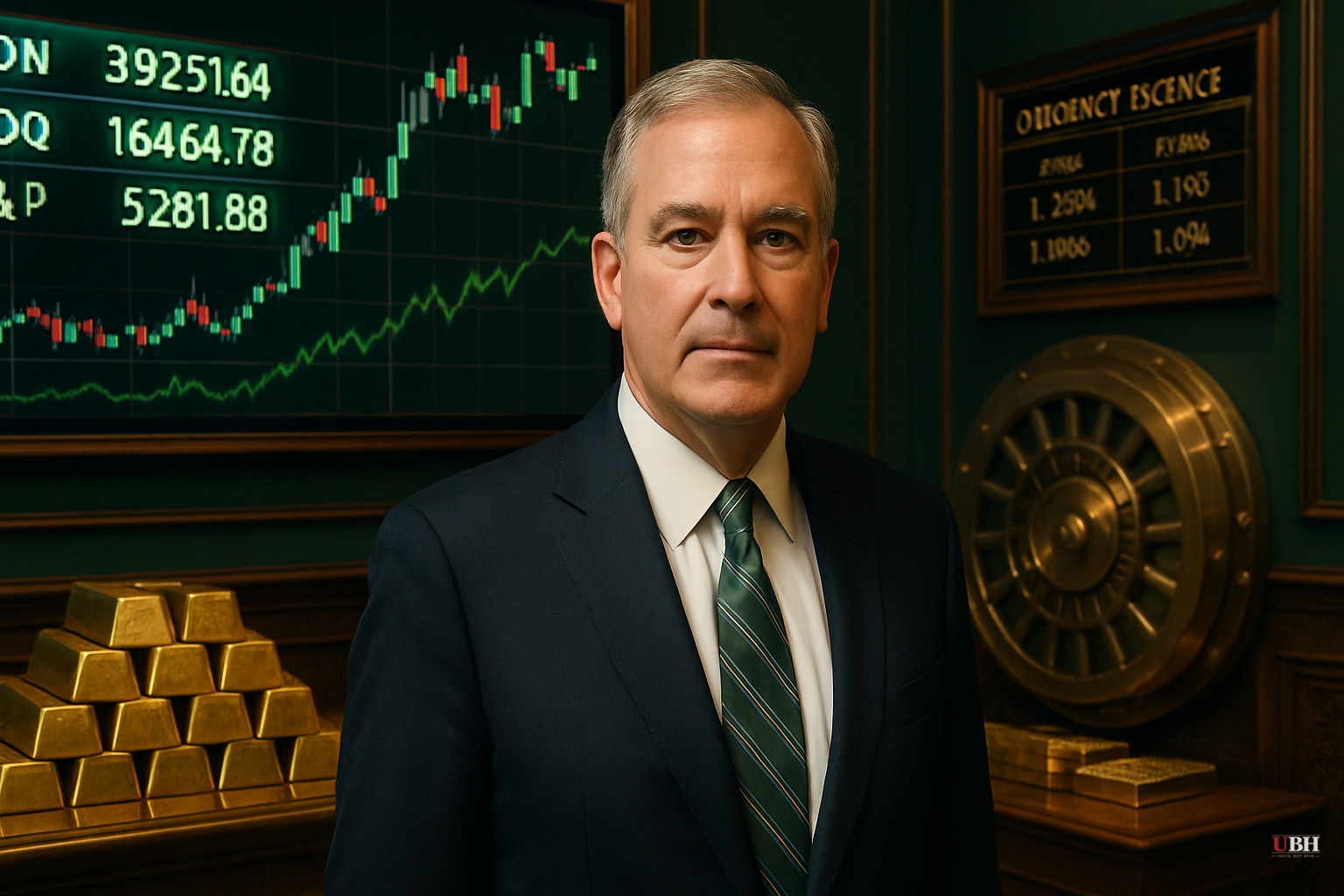
The Gensler Era Is Over. Atkins Is Cleaning House.
Gary Gensler spent four years burying public companies under disclosure requirements. Climate emissions. Board diversity. Cybersecurity incidents. Executive pay ratios. The pile kept growing.
Paul Atkins is done with that pile.
Since taking over as SEC Chairman under the Trump administration, Atkins has signaled a clean break — and according to law firm Covington & Burling's December 2025 regulatory alert, that shift is already reshaping what public companies need to prepare for heading into the 2026 reporting season.
What's Getting Cut
The climate change and greenhouse gas emissions disclosure rule — one of Gensler's signature achievements — is, in Covington & Burling's words, "effectively (although not technically) dead." The SEC isn't formally repealing it. It's just not enforcing it.
Chairman Atkins has also expressed skepticism about the cybersecurity incident reporting requirement under Item 1.05 of Form 8-K — the rule that forces companies to disclose material cyberattacks within four business days. According to Covington & Burling, Atkins thinks the rule may need revision or could simply receive less Staff attention. Companies may soon have more room to keep breaches quiet.
Board diversity disclosure rules? Gone from the SEC's agenda entirely. Human capital management disclosures? Same story.
What Atkins Actually Wants
Atkins is pushing a financial materiality-first framework. The idea: only require disclosures that are genuinely decision-useful to investors. Not ESG box-checking. Not political signaling dressed up as regulatory compliance.
Bloomberg reported the SEC is floating proposals to reduce issuer disclosure burdens specifically to encourage more companies to go public. The IPO market has been starved — fewer companies are listing on U.S. exchanges, many opting to stay private longer or list overseas.
Atkins also wants to extend the runway for companies to qualify as "emerging growth companies" — a lighter disclosure tier — and is pushing to streamline the IPO process itself. The goal is to make going public less of a regulatory nightmare.
On digital assets, the shift is dramatic. Where Gensler treated crypto like a crime scene, Atkins is signaling the SEC will propose exemptions, safe harbors, and clear rules of the road for digital asset securities. According to Covington & Burling, the SEC appears ready to define what is and isn't a security in the crypto space — something Gensler refused to do for years while using enforcement as a substitute for rulemaking.
What Mainstream Coverage Is Missing
Most business press is framing this as a clean deregulation story — Atkins good, Gensler bad, IPOs coming back, everyone rejoice.
Several important questions deserve attention.
The cybersecurity disclosure rollback is not a minor tweak. Corporate data breaches cost Americans billions every year. Investors and consumers have a legitimate interest in knowing when a company they own or do business with gets hit. Watering that down removes important protections.
The climate disclosure rule being "effectively dead" through non-enforcement rather than formal repeal also bears watching. That means it could come roaring back under the next administration. Companies aren't getting certainty — they're getting a temporary reprieve. California's own climate disclosure regulations, as Covington & Burling notes, are still moving forward and will affect any company doing business in that state.
And the IPO push only works if investors can still trust the numbers companies put out. Fewer disclosures mean less information. Less information means more risk. Regular investors — not hedge funds, not institutions — are the ones who get hurt when corporate transparency takes a back seat to market volume metrics.
The Real Trade-Off
Gensler over-regulated. He used the SEC as a vehicle for progressive policy goals — climate politics, diversity mandates — that had no business being shoved into financial disclosure rules. That was regulatory overreach.
Atkins is right to roll it back. A financial regulator should focus on financial materiality. Full stop.
But the answer to regulatory overreach isn't regulatory negligence. Cybersecurity transparency matters. Investor protection matters. The same companies lobbying hardest for lighter disclosure burdens are often the ones with the most to hide.
The SEC's job is to protect investors and maintain honest markets — NOT to serve as either a progressive policy incubator or a corporate PR department.
Atkins has the right instinct. The question is whether he has the discipline to cut the garbage without gutting the guardrails. That answer will show up in the 2026 earnings season.
Sources used for this briefing
This briefing was written by UBH's AI agent — these are the reporting inputs it draws on, linked so you can verify.


