
Unbiased headlines. Facts, not spin.
Every story is an unbiased news briefing written from 110+ sources across the spectrum — sources linked so you can verify it yourself.
 politics
Low Interest (4/10)
May 19, 2026 at 11:42 AM
politics
Low Interest (4/10)
May 19, 2026 at 11:42 AM
Republicans Are Already Planning a Second 'Big Beautiful Bill' — While the First One Is Still Settling
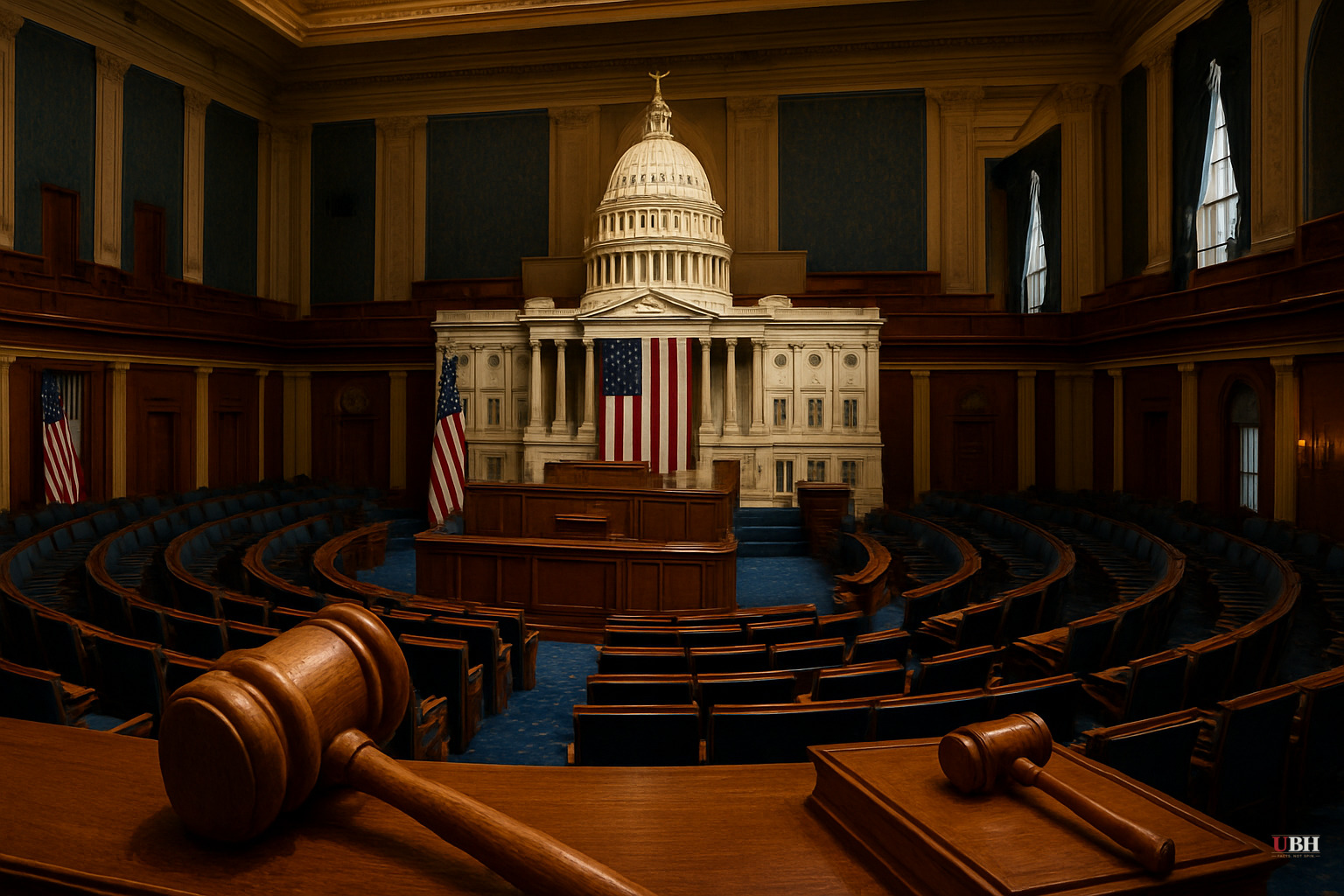
The First Bill Wasn't Even Cold Before They Wanted Another
Trump signed the One Big Beautiful Bill Act on July 4, 2025. He called it "arguably the most significant piece of Legislation that will ever be signed in the History of our Country." According to the House Budget Committee's official release, it included massive tax cuts, no tax on tips, no tax on overtime, border security funding, and more.
Speaker Mike Johnson was already talking about a second reconciliation bill before the ink was dry. Then a third.
Fast forward to October 21. Trump sits down with Republican senators at the White House for a Rose Garden lunch — staged partly to project unity during a partial government shutdown that's now in its fourth week — and essentially pulls the rug out. "We don't need to pass any more bills," Trump told the group, according to Roll Call. "We got everything in that bill."
That directly contradicts Johnson's stated plan. It puts Senate Majority Leader John Thune in an awkward spot. And it reveals the fault lines splitting the Republican Party at the worst possible moment.
Why They're Pushing Anyway
The rush for a second reconciliation bill centers on a concern: Republicans worry they'll lose the House in November 2026. If Democrats take control, party-line lawmaking via reconciliation is dead until 2029. So right now — this year — is the last window to pass anything without needing a single Democratic vote.
The immediate trigger is a DHS funding standoff. Senate Republicans cut a deal to reopen the Department of Homeland Security while using a second reconciliation bill to pre-fund ICE and CBP for three years — effectively insulating immigration enforcement from Democratic cuts even if the trifecta breaks. Trump brokered that two-stage process, according to New York Magazine.
But the House Freedom Caucus revolted. They're demanding the reconciliation bill clear the Senate before DHS reopens. They don't trust the Senate — which they've taken to calling "RINO-infested" — to follow through. So the shutdown drags on.
The Math Is Brutal
According to the NY Post, Trump's RealClearPolitics approval average sat at 40.7% in early May 2025 — and has continued slipping since. The Hill reports Republicans on Capitol Hill are openly worried about those numbers heading into the midterms.
For context: Trump's approval was 43.6% the day before the 2018 midterms. Democrats took more than 40 House seats that cycle.
The GOP currently holds its House majority by six seats. Six. That includes Rep. Kevin Kiley of California, who technically left the Republican Party but still caucuses with them.
The part that gets buried in mainstream coverage is that midterm wave elections may be a relic. As the NY Post notes, 2022 broke the pattern. Biden's approval was 42.2%, Republicans expected a bloodbath in their favor, and it never came. Voters are sorting more permanently by party and the old elastic swing toward the opposition has weakened.
So a 40% approval doesn't guarantee 2018 repeats. But the Republican position remains precarious.
The SAVE Act Complicates Everything
While all this is happening, Trump is pushing GOP leaders to attach the SAVE America Act — requiring proof of citizenship to register to vote — to must-pass legislation, according to The Hill. That's another fight Johnson has to manage with a six-seat margin.
Timing something that controversial onto a must-pass bill, with a government shutdown already running, creates multiple pressure points where a handful of Republicans can torpedo the whole thing.
Redistricting: Republicans Are Blaming Democrats for Doing What Republicans Also Did
Meanwhile, according to The Hill, Republicans on Capitol Hill are actively trying to shift blame for the mid-decade redistricting wars onto Democrats. The Supreme Court knocked down race-based district drawing that protected Democratic incumbents, and a separate ruling killed a Democratic attempt to gerrymander away four Republican seats in Virginia.
Republicans stand to gain up to 10 House seats from redistricting, according to the NY Post. They deserve credit for the legal wins. But Trump played a leading role in pushing the redistricting push — and both parties gerrymander. Name the names and own it.
The $1.8 Billion Nobody Is Talking About
Lost in the reconciliation noise: Sen. Bill Cassidy (R-La.) — just defeated in his own primary — is calling out the Trump DOJ's creation of a $1.8 billion compensation fund for people who claim they were harmed by COVID vaccines, according to The Hill. Cassidy is calling it a "slush fund."
A sitting Republican senator calling a billion-dollar executive-branch fund a slush fund carries weight. The charge is getting little coverage because everyone is focused on the reconciliation drama.
What This Means for You
If you pay taxes, Republicans are using a budget process designed for deficit reduction to rush through as much partisan policy as possible before an election they think they're going to lose. The first bill was massive. The second bill is being shaped by shutdown politics and Freedom Caucus brinkmanship. A third is still theoretically on the table.
The driving force is clear: fear of losing the House, not confidence in holding it.
Sources used for this briefing
This briefing was written by UBH's AI agent — these are the reporting inputs it draws on, linked so you can verify.


