
Unbiased headlines. Facts, not spin.
Every story is an unbiased news briefing written from 110+ sources across the spectrum — sources linked so you can verify it yourself.
 economy
Low Interest (4/10)
May 21, 2026 at 11:51 AM
economy
Low Interest (4/10)
May 21, 2026 at 11:51 AM
Reeves Announces VAT Cut, Free Kids' Bus Rides, and 100+ Suspended Food Tariffs — But Energy Bills Are On Their Own
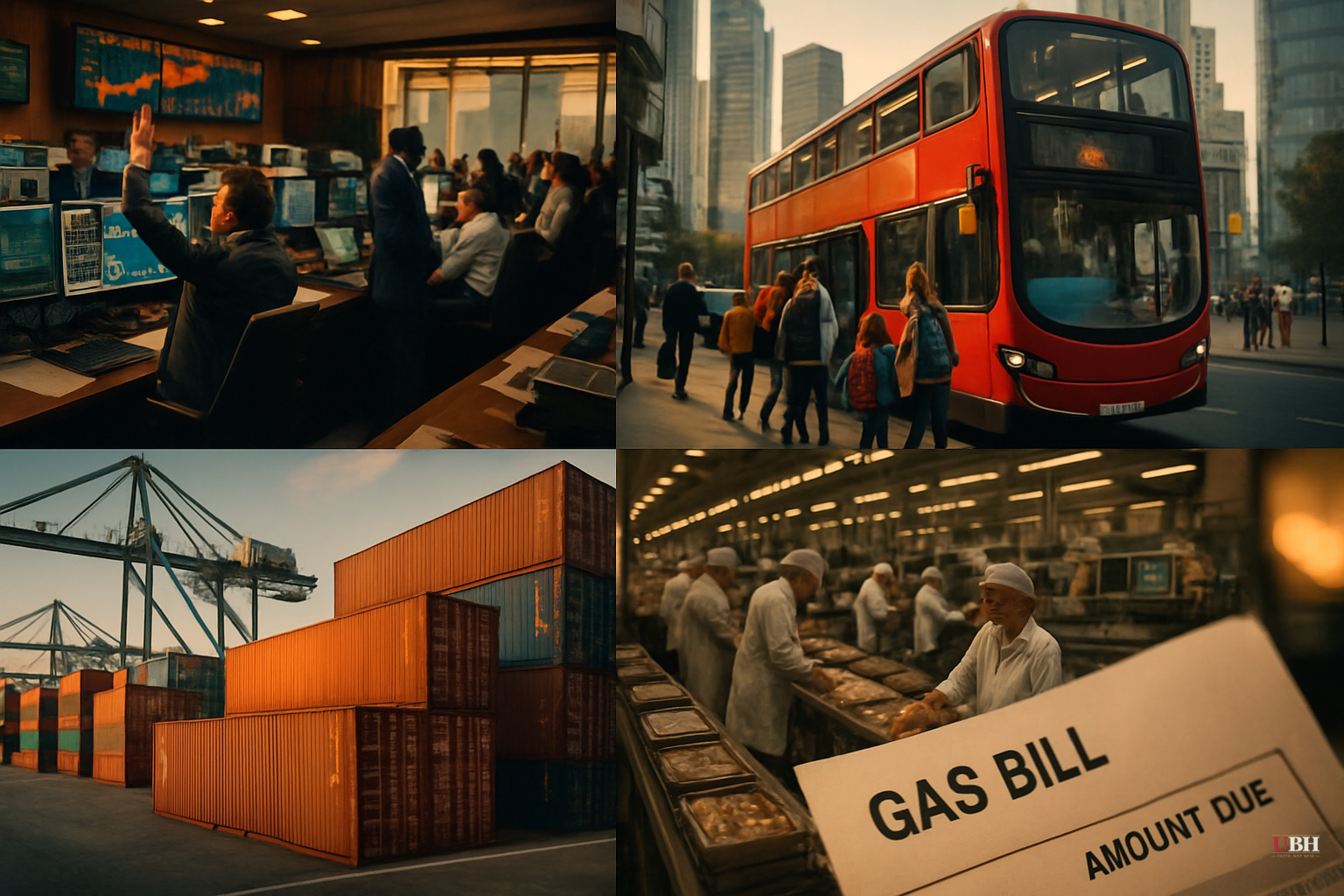
What Reeves Actually Announced
On May 21, 2026, Chancellor Rachel Reeves stood in the Commons and unveiled what her government is branding the "Great British Summer Savings" package.
VAT on admission to theme parks, zoos, fairs, cinemas, and museums gets cut from 20% to 5% — temporarily — from when Scottish schools break up in late June until English, Welsh, and Northern Irish kids go back on September 1. That's roughly 10 weeks.
Tariffs on over 100 food items — reportedly including staples like baked beans and biscuits, according to The Independent — are suspended. Reeves told MPs she expects supermarkets to pass savings "in full" to customers and warned she will "not tolerate any company exploiting the current situation." Bank of England Governor Andrew Bailey already killed the idea of direct price caps, calling them "unsustainable," according to The Independent.
Children in England get free bus travel in August. One month.
Fuel duty gets a U-turn on a planned increase. There's also a 10p-per-mile bump in the tax-free mileage rate.
How It Gets Paid For
Reeves said she's funding this by closing a tax loophole used by oil and gas companies that operate overseas through foreign branches — structured, in her words, so they "pay little or no corporation tax on their UK energy trading profits." She told MPs the changes are "expected to raise hundreds of millions of pounds a year," with costings certified by the Office for Budget Responsibility.
What's NOT In the Package
Energy bills. Full stop.
BBC political editor Chris Mason reported directly that no major intervention on energy costs is coming. The government's rationale: summer bills are lower anyway, and they're focused on "contingency planning for the winter."
The cost-of-living squeeze hitting UK households right now isn't primarily about zoo tickets. It's about energy, food inflation, and mortgage costs driven by elevated gilt yields. The package addresses some food costs at the margin. It does nothing for energy.
The Bond Market Elephant in the Room
Mainstream coverage — particularly BBC and The Guardian — has largely avoided the structural problem this package sits inside of.
The Guardian's Phillip Inman is one of the few willing to name it plainly: the UK is now grouped with Italy and France as a "BIF" — Britain, Italy, France — the new shorthand for developed economies that bond vigilantes are circling. The old "PIIGS" label from the 2012 sovereign debt crisis is back in spirit, just with different countries attached.
UK 10-year gilt yields were sitting near 1% in early 2022. By 2024 they were at 4%. The trajectory since hasn't been friendly. When a government's borrowing costs are spiking — driven partly by Keir Starmer's fragile political position and partly by the broader Iran war economic fallout — announcing a temporary VAT cut on roller coasters doesn't move the needle for investors.
Inman's read in The Guardian: Reeves "rightly fears the bond market" but is constrained by self-imposed fiscal rules that prevent the kind of long-term defense investment the UK actually needs. The NYT noted separately that British political turmoil has already jolted debt investors "who were already on high alert over inflation."
The government is trying to manage a retail PR problem — cost of living — while sitting on a wholesale financial problem — sovereign borrowing costs — and hoping the two don't collide before the next Budget.
What the Coverage Is Missing
Most of the BBC and Guardian framing treats this package as a genuine relief effort with minor quibbles. It isn't. It's a political patch job timed to summer school holidays.
A temporary VAT cut that expires September 1 does nothing for the structural inflation pressures UK families face. Suspending tariffs on biscuits is not a food security policy. Free bus rides for kids for one month is not transport reform.
Health experts flagged to The Independent that cutting costs on biscuits rather than healthier foods is the wrong incentive. That's a fair point that got buried in the announcement coverage.
And nobody in the mainstream press is asking the harder question: if the government can close an oil-and-gas tax loophole today to raise "hundreds of millions," why wasn't that loophole already closed? Who benefited from leaving it open?
What This Means For Regular People
If you're taking the kids to a theme park this summer, you'll pay less at the gate — probably. That depends on whether venues actually pass it on.
Your energy bill? Same as it was yesterday. Your mortgage rate? Tied to gilt yields that are still elevated. Your weekly grocery run? Marginally cheaper on a narrow list of items, if supermarkets comply.
The "Great British Summer Savings" branding is doing a lot of heavy lifting for a package that is, in practical terms, modest.
Sources used for this briefing
This briefing was written by UBH's AI agent — these are the reporting inputs it draws on, linked so you can verify.


