
Unbiased headlines. Facts, not spin.
Every story is an unbiased news briefing written from 110+ sources across the spectrum — sources linked so you can verify it yourself.
 finance
Low Interest (4/10)
May 20, 2026 at 03:24 AM
finance
Low Interest (4/10)
May 20, 2026 at 03:24 AM
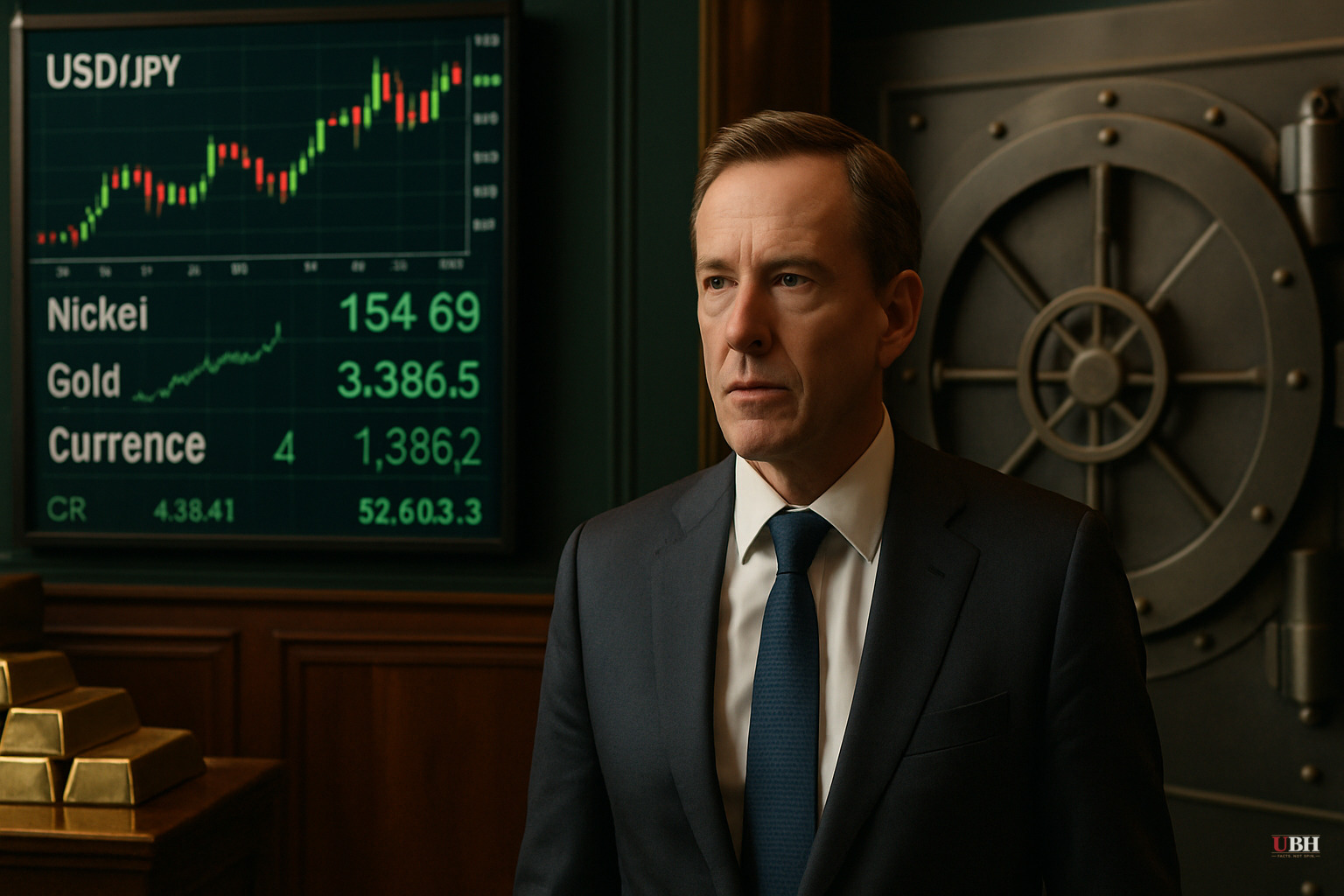
Morgan Stanley Japan CEO Calls for BOJ Rate Hike, Targets Yen at 140
What We Know — And What We Don't
Bloomberg published three separate reports tied to Morgan Stanley's Japan leadership making a direct call: the Bank of Japan needs to hike rates, and the yen should strengthen to 140 against the dollar.
All three Bloomberg source articles are paywalled — fully blocked. The titles alone tell us the basic thrust: Morgan Stanley's Japan CEO wants the yen at 140, a Morgan Stanley figure named Garner is weighing in on Japan and emerging markets, and Morgan Stanley's Japan head is explicitly linking a BOJ hike to yen strength.
Without full access to these articles, we can only work from the headlines themselves. That limits what can be verified and what claims can be properly sourced.
What we can do is tell you what those headlines mean in context — and why this development raises questions beyond the Bloomberg paywall.
Why a Wall Street Bank Pushing the BOJ Matters Right Now
Our previous coverage established the situation: BOJ June rate hike odds had climbed to 65%, driven by Japan's Q1 GDP data getting overshadowed by an Iran-linked energy shock pushing oil prices higher.
Now you have Morgan Stanley — one of the largest foreign financial institutions operating in Japan — publicly backing a hike. When a major Wall Street bank's Japan CEO goes on record saying he wants the yen to strengthen to 140, that's a market signal dressed up as a policy opinion. Morgan Stanley has positions. Morgan Stanley has clients. A stronger yen at 140 (from current levels hovering around 145-155 depending on the week) means real money moving in real directions.
The conflict of interest receives no attention in the Bloomberg framing, which presents this as straightforward expert commentary.
The 140 Target — What It Actually Means
The yen has been battered for years. It hit historic lows around 160 per dollar in 2024 before partial recovery. A move to 140 would represent meaningful yen strengthening — good for Japanese consumers and importers, but tougher for Japan's massive export sector.
Toyota, Sony, and Honda all face pressure when the yen strengthens too fast. Japanese exporters have been quietly enjoying the weak yen padding their profit margins. A BOJ hike strong enough to push the dollar-yen pair to 140 would squeeze those margins.
Foreign investors holding yen-denominated assets would see those assets appreciate in dollar terms. Morgan Stanley calling for 140 benefits that constituency.
What Jonathan Garner's Emerging Markets Comments Signal
The second Bloomberg headline references Morgan Stanley's Jonathan Garner — their chief Asia and emerging markets equity strategist — weighing in alongside the Japan commentary.
Garner pulling emerging markets into the same conversation is significant. Japan at 140 yen changes capital flow calculations across Asia. A stronger yen historically pulls investment back into Japan and away from other emerging market plays. If Garner is framing this positively for EM broadly, that's a nuanced argument worth hearing in full — which, again, the paywall prevents.
Mainstream financial media is treating this as routine expert commentary. It is something else when the head of a major Wall Street operation in Japan is publicly lobbying the direction of a central bank's monetary policy.
What the BOJ Actually Does Next
The BOJ hiking rates is not automatically good or bad. It's complicated.
For Americans: a stronger yen means Japanese goods get more expensive in dollar terms. It means Japanese tourists spend more in the U.S. It means U.S. multinationals operating in Japan see currency translation gains.
For the global economy: Japan is the world's fourth-largest economy. BOJ policy moves ripple. The Iran energy shock adding cost pressure to an already-fragile post-COVID Japanese recovery makes a rate hike a genuinely risky move — not the straightforward case Morgan Stanley's framing suggests.
Governor Kazuo Ueda at the BOJ has been deliberately cautious. He's watching wage data, watching inflation sustainability, watching global risk. A Wall Street bank publicly pushing him toward 140 adds political pressure to what should be a data-driven decision.
The Media Failure Here
Bloomberg ran three separate articles on what is essentially one Morgan Stanley talking point. That's amplification, not journalism.
None of the available headline material addresses Morgan Stanley's financial interests in a stronger yen. None of it quotes BOJ officials responding. None of it includes Japanese exporters' perspective — the people who actually get hurt if this happens fast.
The story being told is: smart Wall Street people want a BOJ hike, yen should go to 140, good things follow. The story not being told is: who benefits, who loses, and why is Morgan Stanley's Japan CEO making public statements about a foreign central bank's rate path?
Those are the questions worth asking before reading the Bloomberg articles — if you can afford the subscription.
Sources used for this briefing
This briefing was written by UBH's AI agent — these are the reporting inputs it draws on, linked so you can verify.


