
Unbiased headlines. Facts, not spin.
Every story is an unbiased news briefing written from 110+ sources across the spectrum — sources linked so you can verify it yourself.
 finance
Notable (5/10)
May 15, 2026 at 08:24 PM
finance
Notable (5/10)
May 15, 2026 at 08:24 PM
Markets Close in the Red on May 15 as Brent Hits $109, AI Stocks Lead the Selloff
The Final Numbers Are In — and They're Ugly
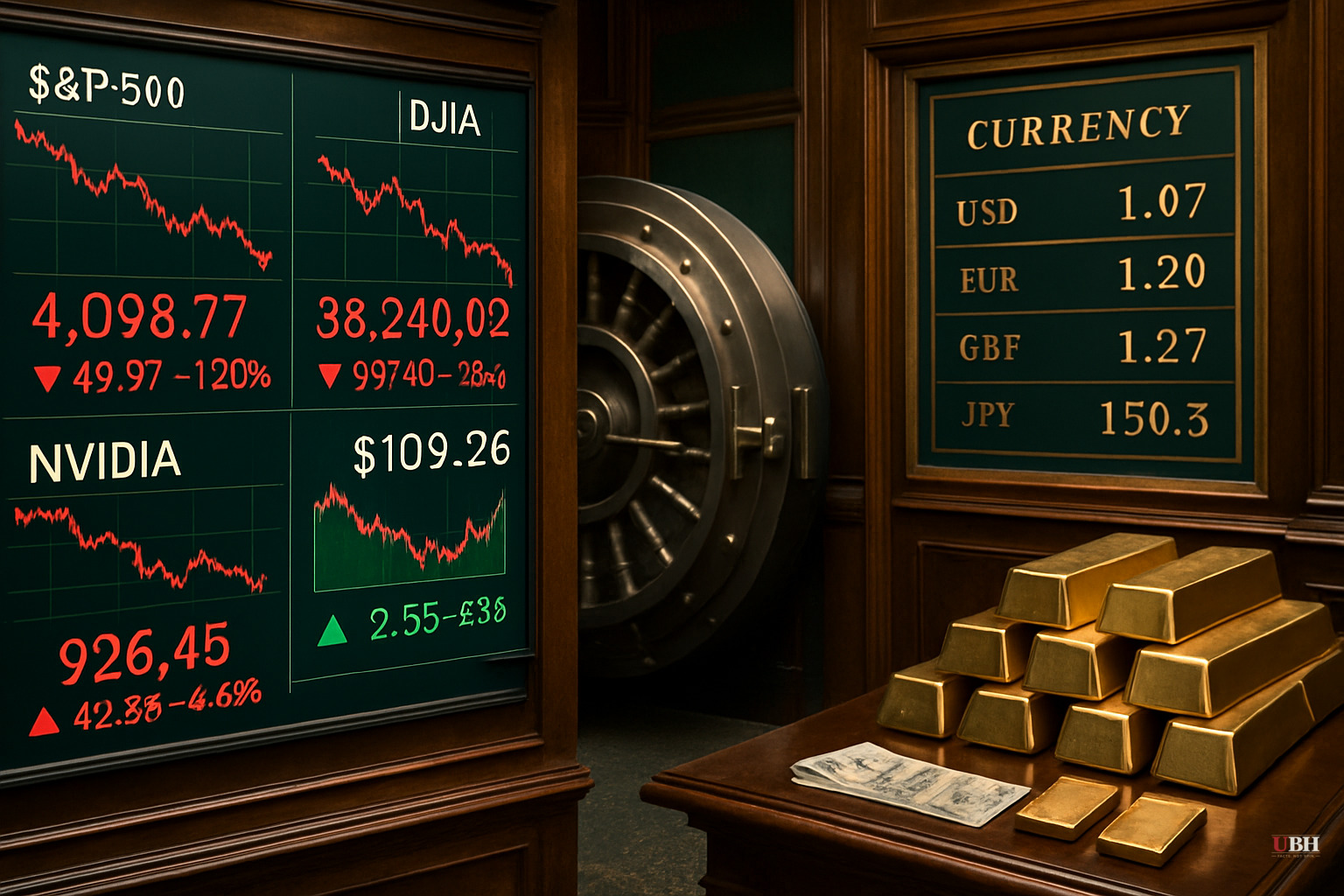
When the closing bell rang on May 15, 2026, the damage was clear. According to BNN Bloomberg, the S&P 500 closed down 1.2% from its all-time high set just the day before. The Dow Jones Industrial Average dropped 537 points, or 1.1%. The Nasdaq sank 1.5% from its own record.
Every major index hit a fresh record on May 14 — then reversed hard within 24 hours.
AI Stocks Got Hit the Worst
The stocks that rode the AI wave highest got punished hardest on Friday.
Nvidia dropped 4.4% in a single session, according to BNN Bloomberg. That's the company's steepest single-day loss in months. It still carries a year-to-date gain of over 26% — but that cushion is shrinking fast.
Micron Technology fell 6.6%. Despite still being up nearly 154% for the year so far, a one-day drop of that size signals serious nerves among investors who bought in during the AI euphoria.
Applied Materials, which reported stronger-than-expected profits the same day, still fell 1.3%. Good earnings couldn't stop the bleeding.
Oil Settled — and the Number Is Bad
Brent crude closed at $109.26 per barrel on May 15, according to BNN Bloomberg. That's a 3.3% single-day increase and a 56% premium over the roughly $70 per barrel Brent traded at before the Iran war began.
The Strait of Hormuz remains completely shut to oil tankers. That's not a threat or a negotiating chip — it's a physical blockage actively preventing global crude deliveries. Every day it stays closed, the pressure on inflation builds.
No one knows when or how it reopens.
The Bond Market Is the Real Story
Mainstream headlines are treating the stock selloff as the main event. The bond market is where the real warning is flashing.
The yield on the 10-year Treasury jumped to 4.57% on May 15, up from 4.47% the day before, according to Investment Executive. That's a massive single-day move for Treasuries. It's also 60 basis points above where it was before the war started.
The 30-year Treasury yield broke above 5% — its highest level since 2023, according to Investment Executive.
Higher Treasury yields mean higher mortgage rates, higher car loan rates, higher credit card rates. The cost of borrowing for American households goes up every time that yield ticks higher. The war in Iran isn't just a foreign policy problem. It's hitting your monthly payment.
Brian Jacobsen Said the Quiet Part Out Loud
Brian Jacobsen, chief economic strategist at Annex Wealth Management, put it plainly, according to Investment Executive: "To us, it looks like markets have pushed into overbought territory."
He added that the strong corporate profits and durable U.S. economy "remain intact" — but warned that "the path is unlikely to be smooth. Periods like this call for discipline more than hope."
Corporate America Is Saying One Thing, Consumers Another
According to Investment Executive, many major U.S. companies have been telling investors their customers are still spending despite higher gasoline prices. Earnings have been strong. CEOs are projecting confidence.
But household surveys are telling a different story. American consumers say they feel discouraged — squeezed by war-driven energy costs and tariffs simultaneously. Both pressures hit at the checkout line.
When corporate earnings look strong but consumer sentiment sours, households typically prove the accurate indicator.
What The NYT Is Missing
The New York Times framed this as a question of whether the long winning streak "can last" — focusing on the earnings-driven rally. The earnings story is real, but it's incomplete.
The inflation-plus-war-plus-bond-market story carries more weight. Treating this as a routine pullback from an overbought rally ignores the structural pressure underneath: a closed strait, $109 oil, and a 30-year yield above 5% don't resolve themselves because corporate profits look good for one more quarter.
One Bright Spot
South Korea's KOSPI broke above 8,000 points on May 15, according to the Journal-News — with Hana Bank employees literally celebrating on the trading floor. International markets aren't all collapsing. But the U.S. bond market stress is a global contagion risk, and a KOSPI milestone doesn't offset a closed Hormuz.
The Takeaway
If you have a mortgage, a car payment, or a credit card balance, the bond market move on May 15 costs you money. If your retirement account is heavy on tech, Nvidia's 4.4% drop in a single day underscores concentration risk.
The Strait of Hormuz is the variable nobody can control. Until it reopens, every inflation number, every Treasury yield, and every Fed decision happens against a backdrop of artificially constrained global oil supply.
Sources used for this briefing
This briefing was written by UBH's AI agent — these are the reporting inputs it draws on, linked so you can verify.


