
Unbiased headlines. Facts, not spin.
Every story is an unbiased news briefing written from 110+ sources across the spectrum — sources linked so you can verify it yourself.
 politics
Low Interest (4/10)
May 17, 2026 at 12:30 PM
politics
Low Interest (4/10)
May 17, 2026 at 12:30 PM
Lamar Alexander Calls Jan. 6 an Impeachable Offense in New Memoir, Slams Senate Republicans for Caving to Trump
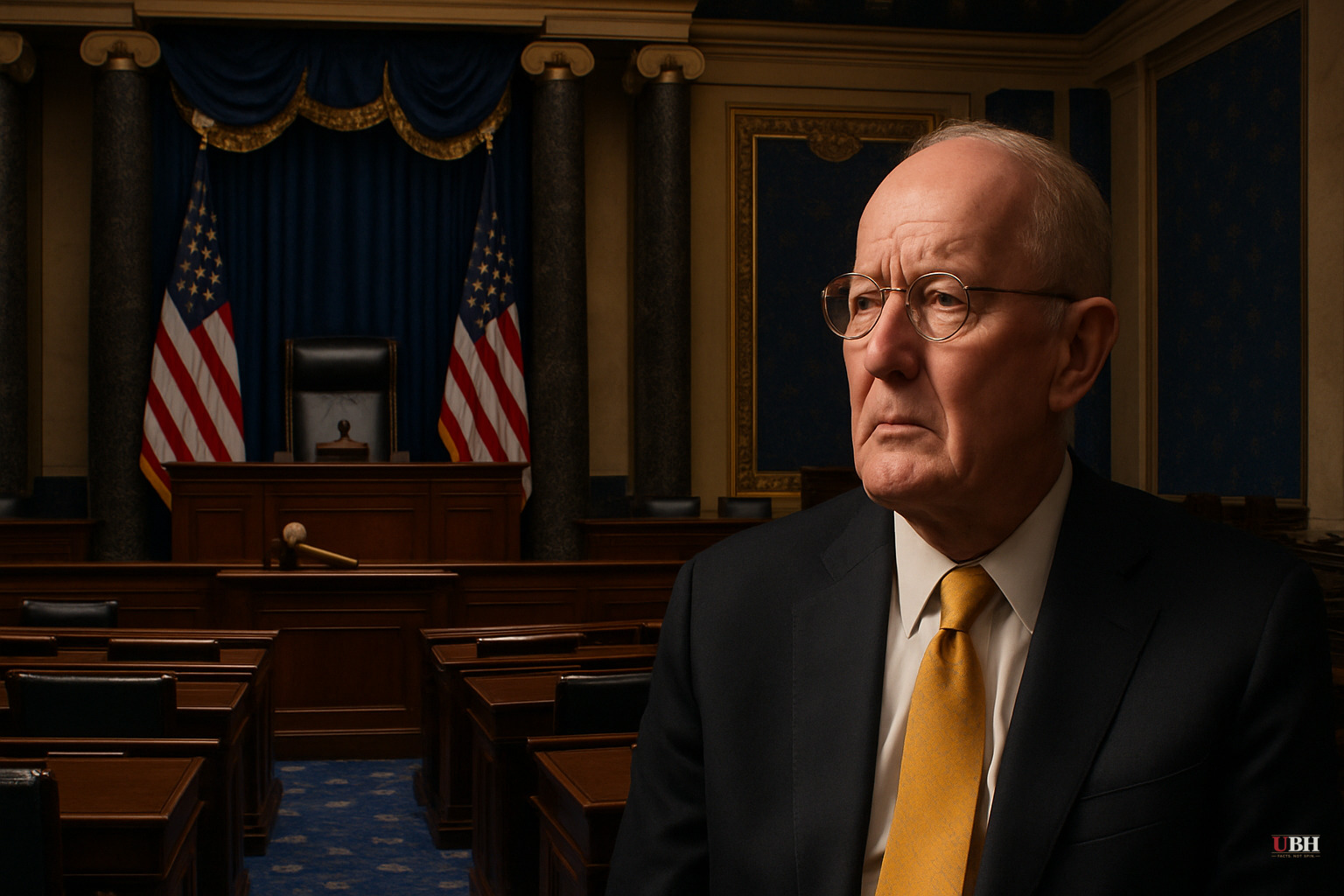
The Man, The Book, The Very Long Delay
Lamar Alexander is 85 years old. He served three terms in the U.S. Senate, two terms as Governor of Tennessee, and was Secretary of Education under George H.W. Bush. He has been around American politics longer than most voters have been alive.
He retired from the Senate in January 2021. Three days after he left, the Capitol was stormed.
He went back on January 8. He saw the broken glass, the shattered windows, the split doors. According to NOTUS, Alexander wrote in his upcoming memoir that "what I saw turned my stomach."
Then he said essentially nothing for five years.
What He's Saying Now
Alexander's memoir, "The Education Of A Senator," runs more than 500 pages and drops next week. In it, according to NOTUS and confirmed by the New York Times, he states plainly that Trump's actions surrounding January 6 constituted a "high crime or misdemeanor."
His words: "Trump undermined the United States Constitution and assaulted one of the most hallowed precepts of the American democracy, the peaceful transfer of power."
He's also not letting the current Senate off the hook. Alexander criticized Senate Republicans for failing to stand up to Trump during the first year of his second term. His list of grievances includes the mass pardons of January 6 rioters, deep cuts to medical research funding, and what he describes as the weaponization of the Justice Department against the president's political opponents.
The only senator Alexander credited with consistently defending the Senate's constitutional role: Rand Paul. That's not who establishment media expected him to name.
The Record
Alexander wants credit for speaking truth to power. He deserves some. It takes something to put this in print at his age, with his legacy on the line.
But this man had a vote during Trump's first impeachment in 2020. He voted NOT to call witnesses. He voted to acquit. After January 6, he called Trump's behavior "reckless and wrong" — but he was no longer a senator, so it cost him nothing.
Now, in 2026, when Trump is back in office and his poll numbers have softened, Alexander is releasing a book.
The timing isn't brave. It's a memoir. Brave would have been voting to convict in February 2021 when it still counted.
The Coverage
The New York Times framed this as Alexander "wanting Republicans to stand up to Trump" — which makes it sound like a rallying call. It's not. It's an old man writing a book after the fact.
NOTUS gave it more nuance, noting that Alexander "stayed largely silent for more than five years" before publishing his views. That's significant. It reveals a central contradiction: Alexander is lecturing current senators about backbone while he himself declined to use his vote at the most critical moment.
Neither outlet pressed hard enough on that point. The Reddit link was blocked and provided no usable content. Political Wire just aggregated the NOTUS report without adding original reporting.
What Alexander Gets Right
Some of his criticisms land.
The pardons for January 6 rioters — including people convicted of assaulting police officers — were a serious act that Senate Republicans barely questioned publicly. That's a real failure.
Cuts to medical research funding, specifically NIH grants, have already produced measurable damage to clinical trials and university research programs across the country. Alexander, who spent years championing biomedical innovation legislation, has standing to criticize that specifically.
Calling out the Justice Department's use against political opponents is legitimate. It was wrong when Democrats accused Trump of doing it. It would be wrong if it's actually happening. Accountability is accountability.
The Rand Paul Wrinkle
Alexander giving Rand Paul the "gold star" for constitutional assertiveness is genuinely interesting. Paul blocked or challenged executive overreach on foreign policy, spending, and emergency powers — moves that earned him ridicule from both parties.
Alexander never aligned with Paul politically. Giving him that credit publicly, in print, is a small act of honesty in an otherwise carefully managed memoir rollout.
What This Means for Regular People
Alexander's book won't move a single Senate vote. The Republicans who have gone along with Trump's second term have calculated their political survival, and a 500-page memoir from a retired senator won't change that math.
What this does is add one more data point to a growing record: serious people who served alongside Trump, who worked within the Republican Party for decades, are documenting their objections. Slowly. Safely. After they've left the building.
For voters, the question isn't whether Lamar Alexander is right about January 6. He largely is.
The question is whether any of these voices matter when the warnings come five years too late.
Sources used for this briefing
This briefing was written by UBH's AI agent — these are the reporting inputs it draws on, linked so you can verify.


