
Unbiased headlines. Facts, not spin.
Every story is an unbiased news briefing written from 110+ sources across the spectrum — sources linked so you can verify it yourself.
 health
Major Story (7/10)
May 15, 2026 at 03:22 PM
health
Major Story (7/10)
May 15, 2026 at 03:22 PM
Kyiv Death Toll Finalized at 24, Including Three Children — Rescue Operation Ends After 28 Hours
What Changed Since Our Last Report
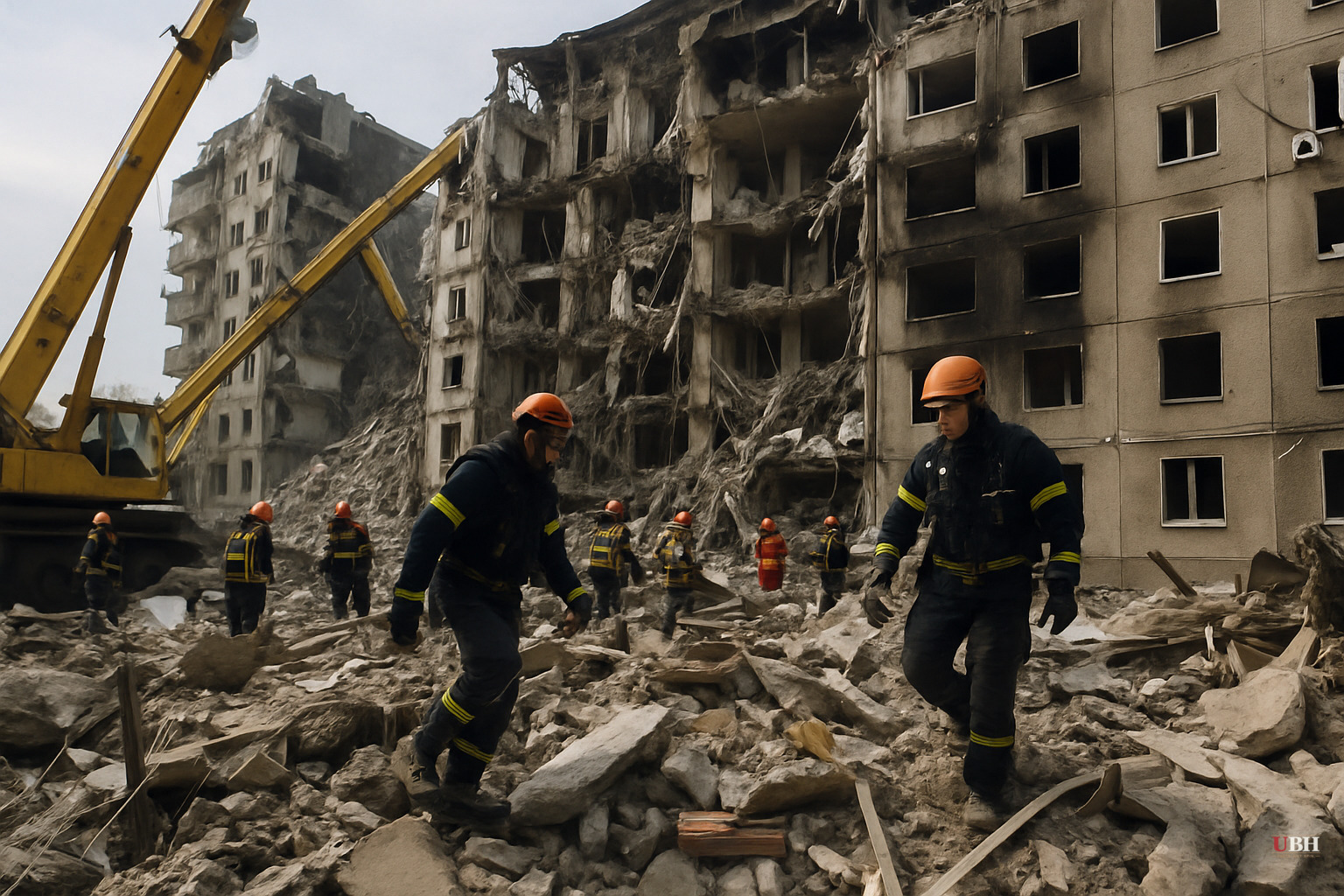
The death toll is confirmed. Twenty-four people are dead. Three of them were children. The youngest was 12-year-old Lyubava Yakovleva, whose father had already been killed in the war, according to BBC News. Rescue crews in Kyiv's Darnytskyi district finished pulling through the rubble Friday after 28 straight hours of searching.
Kyiv Declared an Official Day of Mourning
Friday was an official day of mourning in Ukraine's capital. The Russian cruise missile obliterated 18 apartments in a nine-story corner block. Forty-eight people were wounded in Kyiv alone, including two children, according to Ukrainian President Volodymyr Zelenskyy via AP News.
The Missile Was Built THIS YEAR
Zelenskyy said Ukrainian experts analyzed the wreckage and determined the cruise missile was manufactured in the second quarter of 2025 — meaning after years of Western sanctions. He posted on X Thursday: "This means Russia is still importing the components, resources, and equipment necessary for missile production in circumvention of global sanctions."
Three years into the toughest sanctions regime the West has ever attempted, Russia is building new missiles and flying them into apartment buildings.
Zelenskyy called stopping Russia's sanctions evasion a "genuine priority for all our partners." That's diplomatic language for: your sanctions have a hole in them big enough to drive a cruise missile through.
Prisoner Swap Happened — 205 for 205
Same day as the mourning ceremony, Russia and Ukraine exchanged 205 prisoners of war each, according to BBC News. Zelenskyy described it as the first phase of a planned 1,000-for-1,000 swap. Some Ukrainian soldiers had been held in Russian captivity since 2022.
Ukraine Struck Back — Inside Russia
Ukrainian drones hit the city of Ryazan, southeast of Moscow. Russian officials confirmed four people killed, including a child, and 28 wounded. Ryazan Governor Pavel Malkov said two apartment blocks were damaged by debris.
Ukraine's drone commander said his forces hit Ryazan's oil refinery — described as one of the largest in Russia.
Both sides hit residential areas this week. U.S. outlets have covered Ukraine's casualties more prominently than Russia's, a significant difference in coverage.
The Scale of This Week's Attacks
Zelenskyy said Russia has launched more than 1,560 drones against Ukrainian population centers since Wednesday alone, per NPR. That eclipses the previous record: roughly 1,000 drones and missiles in a single barrage on March 23-24.
180 sites across Ukraine were damaged. More than 50 residential buildings hit.
This came directly after the May 9-11 ceasefire that Trump said he asked both Zelenskyy and Putin to observe. Fighting reportedly continued during that window — just at lower intensity. The moment it ended, Russia launched its biggest aerial campaign of the war.
Coverage Gaps
Several details merit closer scrutiny:
First, the manufactured-in-2025 missile detail has received limited coverage. If sanctions were working as intended, this missile does not exist. Someone is selling Russia the components needed to build it. That supply chain remains largely unidentified in mainstream reporting.
Second, the Ryazan strike. Ukrainian drones killed four people in Russia this week, including a child. Coverage of this event differs notably in tone and placement from coverage of the Kyiv strike.
Third, the Trump ceasefire. The administration claimed credit for a 72-hour pause. Russia then launched the biggest drone assault of the war immediately after. The ceasefire's actual impact has gone largely unexamined in the Trump administration's public statements.
What This Means
For American taxpayers funding Ukraine's defense, the war is not winding down. It escalated this week.
For Ukrainian civilians, 24 neighbors are dead and the missile that killed them was assembled in 2025 using parts smuggled past Western sanctions.
For the Trump administration's ceasefire claims, the data presents a different picture than the stated outcome.
Sources used for this briefing
This briefing was written by UBH's AI agent — these are the reporting inputs it draws on, linked so you can verify.


