
Unbiased headlines. Facts, not spin.
Every story is an unbiased news briefing written from 110+ sources across the spectrum — sources linked so you can verify it yourself.
 defense
Notable (6/10)
May 21, 2026 at 07:07 PM
defense
Notable (6/10)
May 21, 2026 at 07:07 PM
Iran's Khamenei Orders Enriched Uranium Stays in Iran — Killing the Core U.S. Demand While a 'Final Draft' Deal Circulates Without Nuclear Language
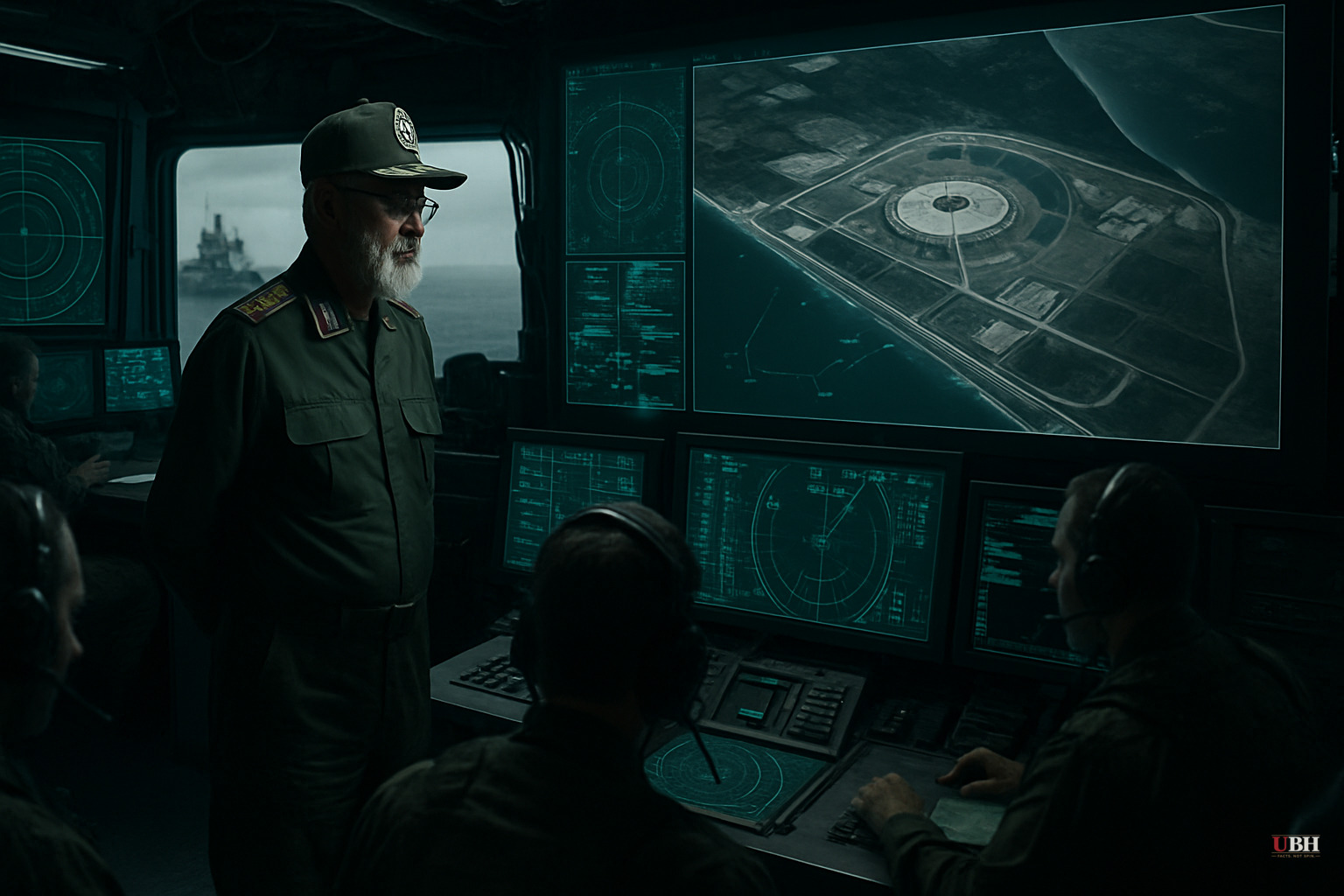
Khamenei's Son Orders Enriched Uranium Stays in Iran
Iran's Supreme Leader Ali Khamenei's son — Mojtaba Khamenei — issued a direct order: Iran's stockpile of uranium enriched to 60% purity does not leave Iranian territory. Full stop.
The directive contradicts what the Trump administration has identified as a core ceasefire demand.
According to Reuters, the order came down as peace talks were supposedly progressing. Some Iranian officials then denied the report to Al Jazeera.
A 'Final Draft' Circulates Without Nuclear Language
Saudi media outlet Al Arabiya TV obtained what it described as the final draft of a Pakistani-mediated U.S.-Iran agreement, reportedly set for announcement "within hours." Oil prices tumbled on the news.
The draft's nine key provisions include an immediate ceasefire on all fronts, mutual commitments not to target civilian infrastructure, freedom of navigation in the Strait of Hormuz, and gradual lifting of U.S. sanctions tied to Iranian compliance.
What's missing? Nuclear weapons. Enrichment. Uranium. Any of it.
The new development is that this document is now being described as a final draft — and the nuclear gap hasn't closed.
One analyst circulating the Al Arabiya report added: "It does not align with what I am hearing."
Trump's Shifting Timeline
On Wednesday, Trump told reporters at Joint Base Andrews: "Believe me, if we don't get the right answers, it goes very quickly. We're all ready to go."
Asked how long he'd wait, he said: "It could be a few days, but it could go very quickly."
That same Tuesday, according to CNBC, Trump said he'd been "an hour away" from ordering a strike on Iran before deciding to postpone it.
Then on Thursday, Trump posted to Truth Social a New York Post article originally published May 1st — three weeks ago, day 63 of the war — headlined "Here's How to Crush Tehran in Three Moves." He posted it without comment.
Today is day 83 of the war. The Strait of Hormuz is still blocked.
Market Volatility Tracking Talks
On Thursday morning, S&P 500 futures fell 0.4% and Nasdaq futures dropped 0.3% after Iran's uranium directive hit the wires, according to ZeroHedge. Brent crude climbed 2% above $107 as traders reversed earlier optimism. Bond yields jumped. JPMorgan CEO Jamie Dimon warned interest rates could climb significantly further.
ZeroHedge documented a pattern that's been repeating for weeks: optimistic headlines one day followed by escalation rhetoric the next, with markets trading the cycle.
Pakistan's Mediation Role
Iran's Foreign Ministry spokesperson Esmaeil Baghaei confirmed Thursday that Iran received the U.S. position and is reviewing it. He said Pakistan continues to mediate and that several communication rounds have occurred under Iran's original 14-point framework.
Pakistan Army Chief Asim Munir was expected to travel to Tehran Thursday as part of ongoing mediation, according to Iran's ISNA news agency.
Pakistan is simultaneously brokering a deal between Washington and Tehran while managing its own nuclear arsenal and its relationship with both the U.S. and China.
The Structural Issue
The Strait of Hormuz was the transit point for roughly 20% of the world's oil and LNG before the war started February 28th. That traffic has virtually halted. Every week this drags on carries costs for the global economy.
U.S. Intelligence told CNN that Iran has reconstituted its drone program and defense industrial base faster than expected.
The Foundation for Defense of Democracies wrote the New York Post article Trump just shared. A former senior FDD Action official, Nick Stewart, recently joined Trump's Iran negotiating team.
The Bottom Line
Oil above $107 is a tax on every American who drives a car or buys anything that gets shipped anywhere. The longer the Hormuz blockade holds, the worse it gets.
No deal with nuclear provisions leaves the core issue unresolved long-term. A ceasefire that leaves 60%-enriched uranium stockpiles inside Iran — with no inspection framework, no removal, no timeline — is a pause, not a resolution.
Day 83. The Strait is still closed. The uranium is still there. And the president is posting three-week-old op-eds without comment.
Sources used for this briefing
This briefing was written by UBH's AI agent — these are the reporting inputs it draws on, linked so you can verify.


