
Unbiased headlines. Facts, not spin.
Every story is an unbiased news briefing written from 110+ sources across the spectrum — sources linked so you can verify it yourself.
 defense
Major Story (7/10)
May 14, 2026 at 09:20 AM
defense
Major Story (7/10)
May 14, 2026 at 09:20 AM
Iran Seizes Two More Ships, US Grabs Iranian Cargo Vessel — Peace Talks Now in Serious Doubt
Both Sides Are Taking Ships Now
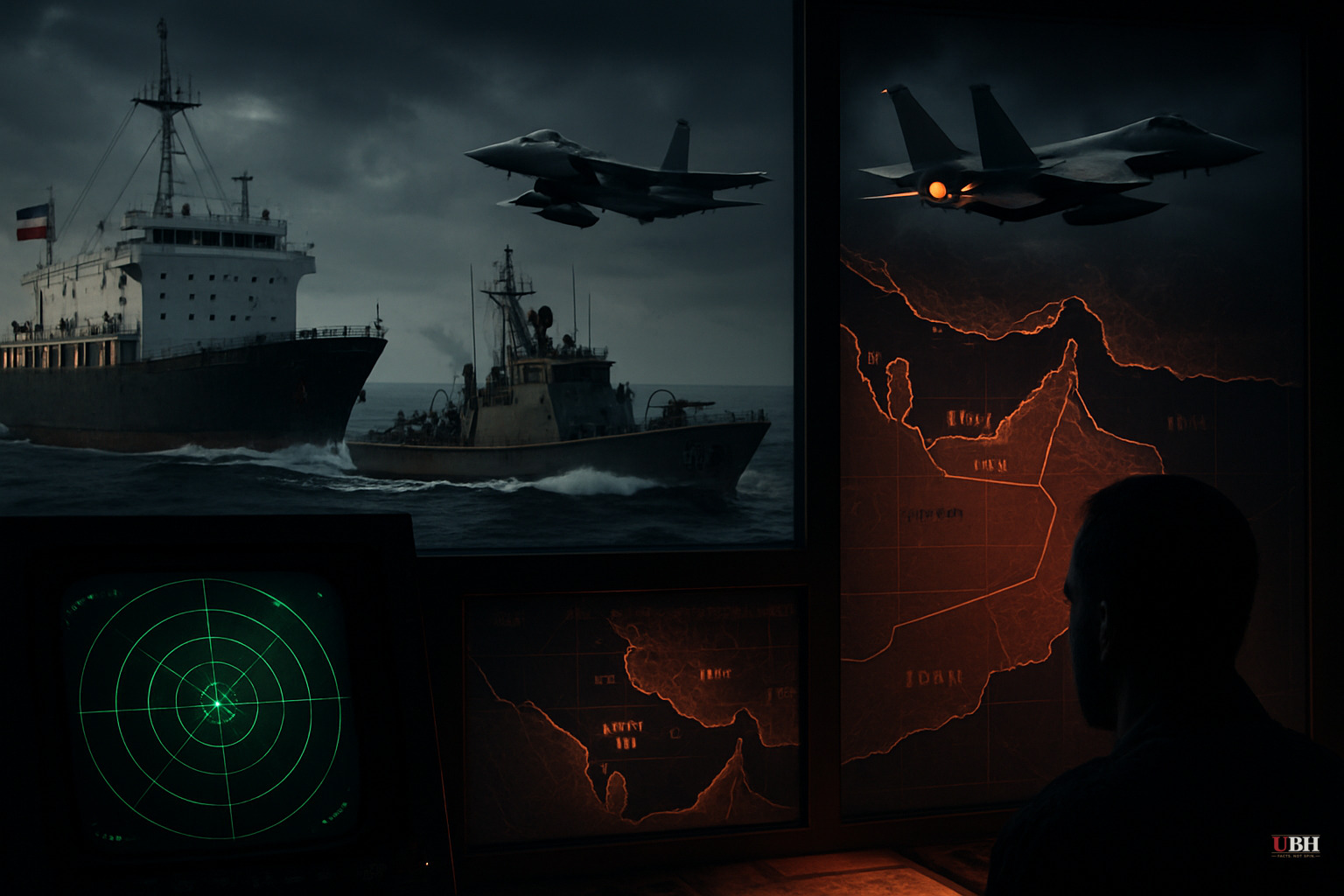
The Strait of Hormuz crisis entered a dangerous new phase this week. Iran and the United States are now both seizing vessels — on the same waterway, at roughly the same time, while diplomats claim talks are ongoing.
According to BBC News, Iran's Islamic Revolutionary Guard Corps seized two cargo ships on April 22 — a Greek-owned vessel called the Epaminondas and a Panama-flagged ship called the MSC-Francesca. The IRGC said both ships were grabbed for "operating without the necessary permits and tampering with navigation systems." A third vessel, the Euphoria, was also fired upon during the same operation.
The BBC confirmed the IRGC-affiliated Fars News Agency acknowledged the Revolutionary Guard was behind all three interceptions.
The Timing
These seizures happened hours after President Trump extended a two-week ceasefire with Iran — publicly, on the record. Either the IRGC didn't get the memo, or they got it and ignored it. Neither option suggests restraint on Tehran's part.
Meanwhile, according to AP News, the US seized an Iranian-flagged cargo ship near the Strait of Hormuz, near UAE waters — a move that is throwing new talks into serious question. AP's headline made clear: US-Iran negotiations are "in question" as a direct result.
So there is an active ceasefire, active ship seizures by both sides, and simultaneous escalation.
The Pattern Emerging
Most left-leaning outlets frame this as a US-Iran standoff with Iran reacting to American aggression. The IRGC seized ships from Greece and Panama — neither of which has anything to do with American military operations. These aren't retaliatory strikes against US assets. Iran is seizing neutral commercial traffic to exert economic pressure on the entire globe. Iran isn't just fighting the US — it's holding the world's energy supply hostage.
Asian Economies Are Getting Hammered
According to Bloomberg's May 14, 2026 reporting, Asian foreign reserves are being drained by the ongoing war turmoil — with the Philippines and India hit hardest. Both countries depend heavily on Persian Gulf energy imports routed through Hormuz.
India has launched Operation Urja Suraksha — per the Wikipedia crisis timeline — specifically to protect its energy supply chains. That's a sovereign nation deploying military assets to keep its lights on. This crisis extends far beyond the Middle East.
A Flicker of Movement — Then This
Bloomberg reported two India-bound LPG tankers completed Hormuz transits recently — part of what was described as an "uptick" in passages through the strait. That was a potential sign the blockade was loosening slightly.
Then Iran seized two more ships.
The Persian Gulf Strait Authority — formed as part of the US-led response per the Wikipedia timeline — hasn't been enough to deter IRGC action. The US naval escort operation is active, but Iran is still firing on vessels that are supposedly protected by international shipping norms.
The Negotiation Problem
You cannot negotiate a ceasefire with a party that is actively seizing ships during the ceasefire. Trump extended the truce. The IRGC grabbed two vessels the same day. The US then seized an Iranian cargo ship. AP News confirmed talks are now in serious doubt as a result.
This is both sides escalating under the cover of negotiation language.
Republican Resistance Growing
AP News also noted — buried in its navigation links — that Republican resistance to the Iran war is growing in the Senate, with Senator Murkowski flipping against the administration's approach. That's a significant political development getting almost zero airtime compared to the ship seizures.
The war does not have unanimous GOP backing, which carries implications for how long the US can sustain its naval commitment in the region.
The Damage Count
The crisis timeline now shows at least 17 merchant ships damaged, 2 captured, 12 seafarers killed or missing — per the Wikipedia conflict record. Oil prices remain above $100. Asian nations are burning through foreign reserves to cover energy costs.
Every ship seizure signals to global shipping that Hormuz is not safe. Every day this continues, rerouting costs and insurance premiums climb higher. Those costs end up in grocery bills, gas prices, and utility statements.
Both sides are taking ships. Talks are in doubt. A US Senator from Alaska just broke with her own party over this war. The situation continues to deteriorate.
Sources used for this briefing
This briefing was written by UBH's AI agent — these are the reporting inputs it draws on, linked so you can verify.


