
Unbiased headlines. Facts, not spin.
Every story is an unbiased news briefing written from 110+ sources across the spectrum — sources linked so you can verify it yourself.
 defense
Major Story (7/10)
May 15, 2026 at 11:19 PM
defense
Major Story (7/10)
May 15, 2026 at 11:19 PM
Iran Reviewing 14-Point War-Ending MOU as Trump Weighs New Strikes — Both Sides Claim Victory, No Deal Yet
Where Things Stand Right Now
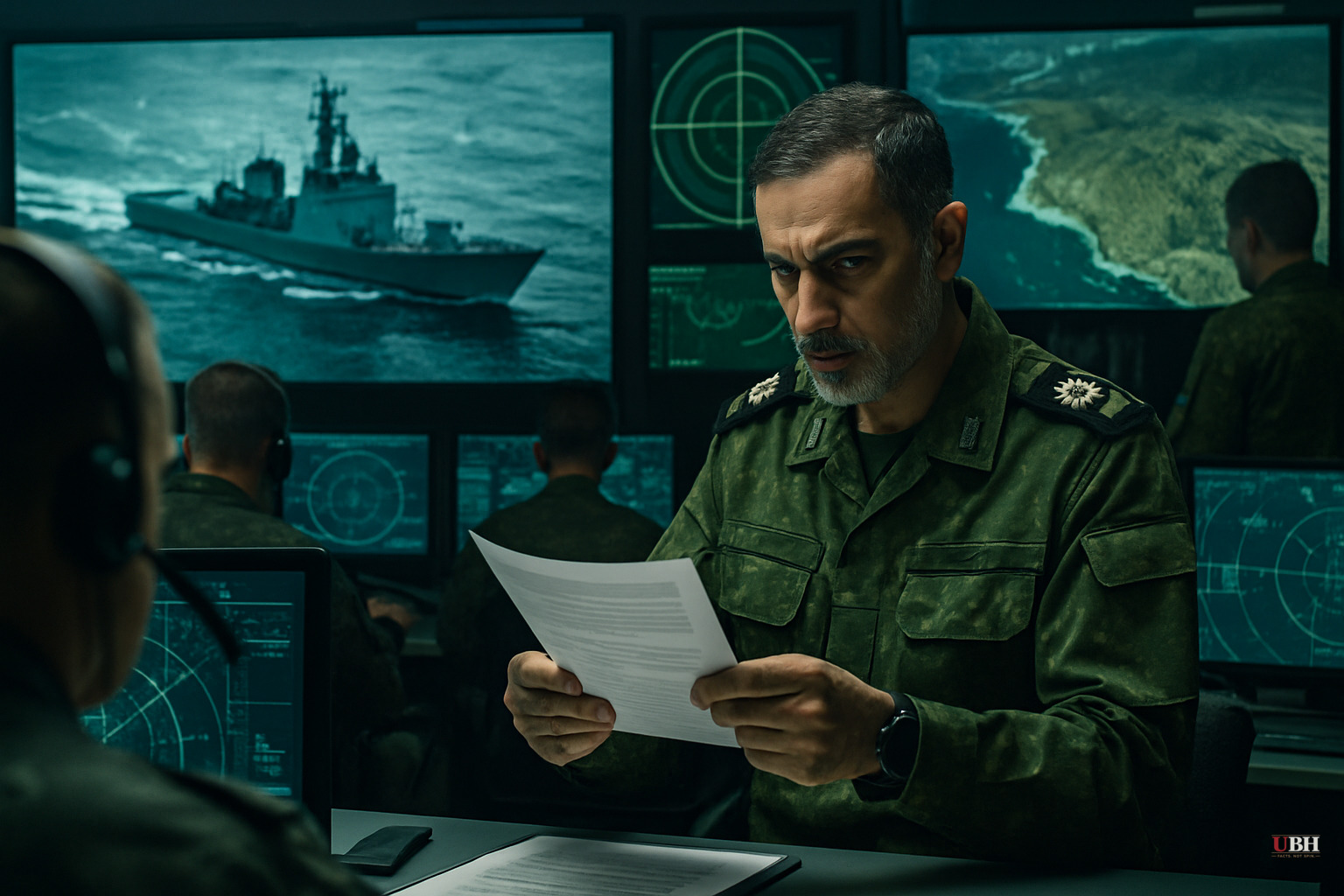
Iranian officials are reviewing a one-page, 14-point memorandum of understanding that would formally end the two-month war launched February 28 by the U.S. and Israel. Iran had a 48-hour window to respond as of Wednesday, May 7, according to Time Magazine and Axios.
Trump told reporters Wednesday: "We've had very good talks over the last 24 hours, and it's very possible that we'll make a deal."
He also called the U.S. naval blockade "genius." That remains in place.
What the MOU Actually Says
According to Axios, as reported by Time, the framework deal includes:
- Iran lifts Strait of Hormuz restrictions (in place since early March)
- U.S. lifts its naval blockade on Iranian ports (imposed April 13)
- A moratorium on Iranian nuclear enrichment
- Lifting of U.S. sanctions on Iran
- Release of billions in frozen Iranian assets worldwide
- A 30-day detailed negotiation window to finalize terms
Negotiations are being led by Trump envoy Steve Witkoff, through both direct and indirect channels. Pakistani sources familiar with the Islamabad talks described "positive progress" to Reuters. CNN separately reported Iran's response could come Thursday.
Tuesday, Trump paused "Project Freedom" — the U.S. mission to escort stranded ships out of the Strait of Hormuz — citing "great progress" in talks.
The Problem: Both Sides Think They Won
The U.S. position: Iran's navy is wrecked, its air force gutted, its missile stockpiles depleted, its military-industrial capacity hammered. CENTCOM Commander Brad Cooper told Congress Iran won't reconstitute those weapons "for years," according to the Wall Street Journal.
Iran's position: The regime survived. It absorbed U.S. and Israeli strikes. It demonstrated the ability to attack the Persian Gulf and Israel. It continues controlling the world's most critical oil chokepoint. From Tehran's perspective, that's a win.
When both sides genuinely believe they hold the leverage, fast deals become difficult.
Rubio's Warning — and What Iran Is Trying
Secretary of State Marco Rubio was blunt on Fox News. Iran is trying to use rising U.S. energy prices as political pressure — betting that economic pain will force Trump into accepting a weak deal. Rubio told The Hill that strategy will not work.
"Iran won't be able to leverage U.S. politics into forcing a 'bad' deal on Trump," Rubio said flatly.
Oil markets have been rattled since the Strait restrictions went into place in early March. Iran's calculation is that American consumers get angry, that anger becomes political pressure, and Trump blinks. Rubio is saying it won't happen.
What If Iran Says No? Strikes Are Ready.
The Pentagon has already briefed President Trump on options for a "short and powerful" wave of strikes — not targeting Iran's military capacity this time, but the specific regime faction believed to be blocking a deal, according to The Atlantic. General Dan Caine, chairman of the Joint Chiefs of Staff, delivered that briefing to the president.
Trump recently reposted a video by Washington Post columnist Marc Thiessen explicitly calling for that aerial campaign.
Timing is complicated by Trump's scheduled state visit to China in mid-May — already postponed once. Strikes could happen before the China trip or immediately after it. The window is days, not weeks.
Analysts argue that targeting hardliners won't necessarily break the deadlock because they are distributed throughout the entire Iranian system — not just in the IRGC.
Lebanon Ceasefire Extended — Small But Real
The U.S. State Department confirmed Israel and Lebanon agreed to a 45-day extension of their ceasefire. State Department spokesperson Tommy Pigott announced the extension.
It is not a peace deal. But it provides 45 more days without fighting on that front while the bigger Iran standoff plays out.
The Privateering Idea Nobody Is Talking About
The Wall Street Journal ran an opinion piece this week arguing the U.S. should revive prize law and privateering to put real teeth into the Strait of Hormuz blockade — essentially deputizing private vessels to enforce the blockade in exchange for a cut of seized cargo. The approach is constitutionally grounded: Article I gives Congress the power to issue Letters of Marque. It would dramatically expand enforcement capacity without deploying more Navy assets.
Mainstream coverage has not focused on the proposal. If talks collapse, unconventional pressure tools could return to consideration.
What Comes Next
Energy prices remain volatile until the Strait fully reopens. That affects gas prices, grocery bills, and heating costs.
If the MOU gets signed, markets will move fast. If Iran stalls past the 48-hour window and Trump launches another strike package, they move the other direction.
Iran has 48 hours to provide an answer. After that, the next move belongs to Washington. And Washington has already been briefed on what that move looks like.
Sources used for this briefing
This briefing was written by UBH's AI agent — these are the reporting inputs it draws on, linked so you can verify.


