
Unbiased headlines. Facts, not spin.
Every story is an unbiased news briefing written from 110+ sources across the spectrum — sources linked so you can verify it yourself.
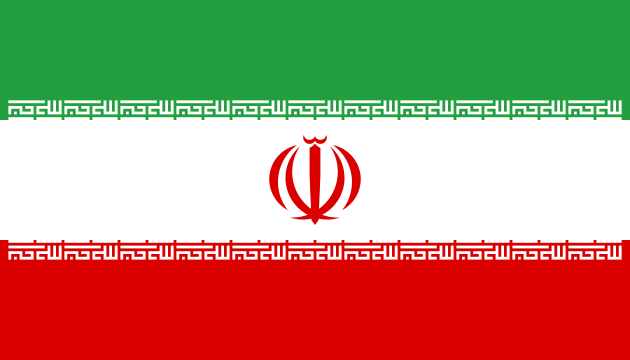 defense
Major Story (7/10)
May 21, 2026 at 07:50 AM
defense
Major Story (7/10)
May 21, 2026 at 07:50 AM
Iran Rejects US Ceasefire Terms, Trump Calls Response 'Totally Unacceptable' — Ultra-Hardliners Push for Nuclear Weapons
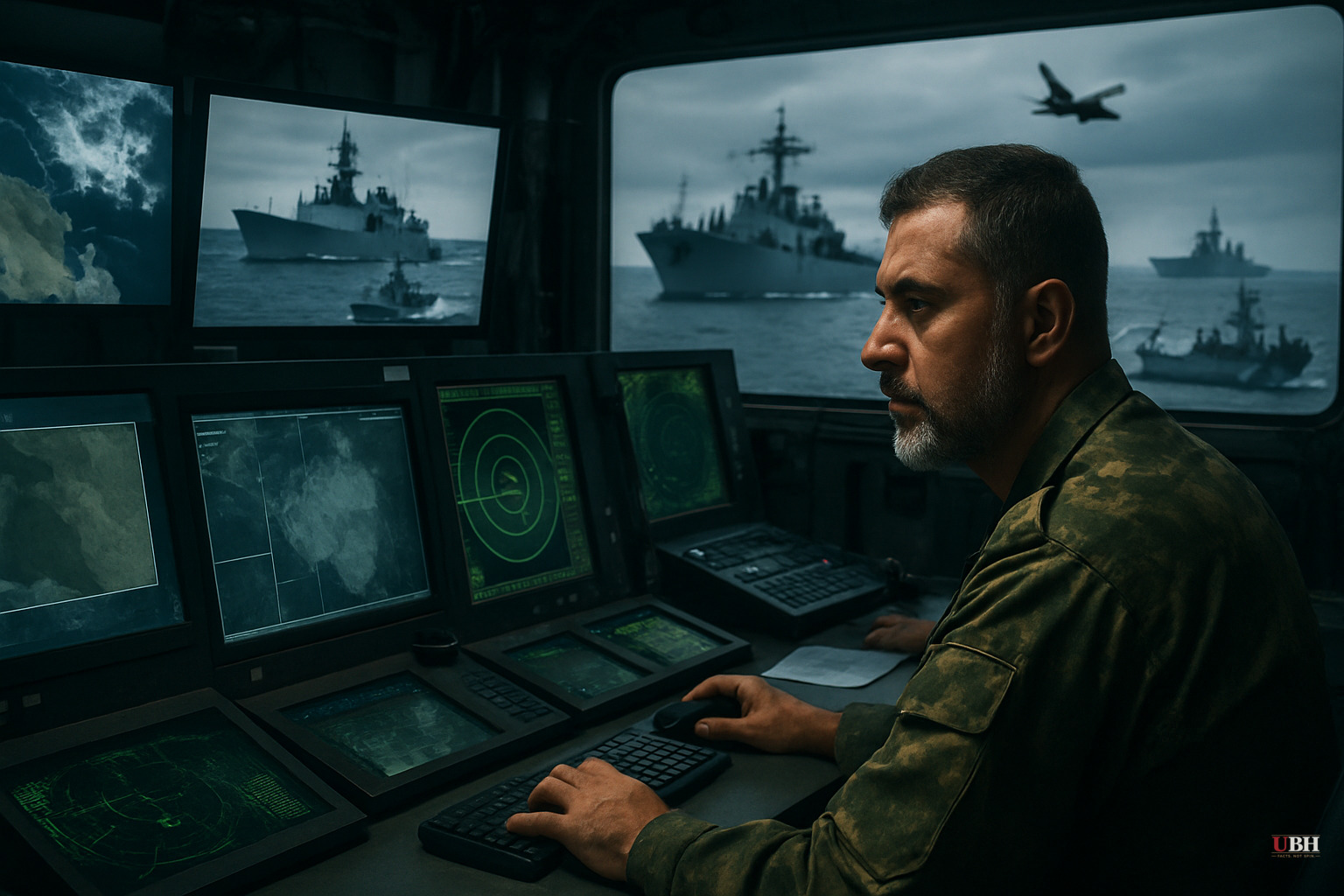
The Ceasefire Is Cracking
Tehran delivered its response to the latest US proposal to Pakistan on Sunday for relay to Washington. Hours later, President Donald Trump called the Iranian reply "totally unacceptable." By Monday, he warned publicly that "the ceasefire is on life support." According to Iran International, ordinary Iranians in Tehran are already filling gas tanks and stockpiling food and water again.
That's where things stand as of May 10, 2026.
What Iran Actually Proposed
Iran's state broadcaster IRIB described the American proposal as "meaning Iran's surrender to Trump's excessive demands." Tehran's counteroffer, according to Iran International, focused on four things: compensation for war damages, recognition of Iranian sovereignty over the Strait of Hormuz, lifting of sanctions, and release of frozen Iranian assets.
Notably absent: the nuclear program. Enrichment. Stockpiles.
Foreign Ministry spokesman Esmaeil Baghaei called Tehran's proposal "reasonable and generous" — then said decisions on "the nuclear issue, enriched materials and enrichment itself" would come later, at an "appropriate time." Translation: not now, maybe never, on our terms.
Tasnim News Agency, which is directly affiliated with the Revolutionary Guards (IRGC), flat-out rejected Western reports claiming Iran's counterproposal included any nuclear compromises.
The Hardliners Are Winning Internally
Former IRGC commander-in-chief Mohammad Ali Jafari said Monday that no further negotiations will happen unless Iran's conditions are met first. The statement amounts to a door slamming shut.
Meanwhile, a faction called Jebhe-ye Paydari — the Endurance Front, known inside Iran as the "Super Revolutionaries" — has launched a coordinated assault on the negotiating team itself. According to Times Now, they've deployed coordinated media attacks, parliamentary speeches, and large public rallies in Tehran. Their target: Iranian diplomats Mohammad Bagher Ghalibaf and Foreign Minister Abbas Araghchi, whom they've accused of weakness, "collusion," and crossing the regime's red lines.
One outlet linked to the group, Raja News, claimed Iranian negotiators were willing to "shake hands" with Americans despite the killing of Iranian leaders. Lawmaker Mahmoud Nabavian — who actually sat in on the Islamabad talks — publicly called the negotiations a "strategic mistake." Seven lawmakers affiliated with Jebhe-ye Paydari refused to sign a parliamentary statement backing the negotiating team.
Some Hardliners Now Want the Bomb — Openly
According to Iran International, some hardline figures are now openly arguing Iran should pursue nuclear weapons capability as a deterrent against future attacks. Ebrahim Rezaei, spokesman for parliament's National Security and Foreign Policy Committee, has been among those voices.
The shift from "we enrich for peaceful purposes" to "we need a deterrent" represents a significant rhetorical move from officials speaking in parliament under their own names. It signals where the internal power struggle inside Tehran is heading if these talks collapse.
The Mixed Signals Game
President Masoud Pezeshkian is trying to play both sides. He told senior police commanders Sunday that Iran would honor any agreement reached — while still paying respect to the Supreme Leader's concerns. Diplomatic-speak for: I want a deal but I don't control the room.
The Supreme Leader's room, per reporting from both AP News and the New York Times, is guided by a tight circle of IRGC-affiliated men. The NYT identified this as a "hard-line military fraternity" of Revolutionary Guards veterans who hold real decision-making authority. AP News reported that one specific IRGC-linked general has emerged as a major player in the current talks — operating in the background while diplomats take the heat up front.
The diplomatic face is Araghchi. The real power sits elsewhere.
What the Numbers Show
Most outlets frame this as two sides talking, a deal might happen, negotiations continue. The internal Iranian dynamic tells a different story: a moderate-ish president trying to negotiate, surrounded by a IRGC-dominated power structure that doesn't want a deal, backed by a radical faction actively sabotaging the process, with some lawmakers now calling for nuclear weapons.
Trump's "life support" comment reflects the reality on the ground. The Iranians handed a response through Pakistan — a third-party intermediary — that didn't touch the one issue Washington needs resolved: the nuclear program. If you're serious about peace, you don't lead with demands for Strait of Hormuz sovereignty and war reparations while avoiding the nuclear question.
The Downstream Effect
If this ceasefire collapses, the Strait of Hormuz — through which roughly 20% of global oil trade flows — is back in play. That means energy prices spike. That means your gas bill goes up. That means inflation doesn't cool down.
The ultra-hardliners inside Tehran are betting that America blinks. Trump is betting they don't have the stomach for another round. Someone is about to be proven wrong — and regular people on both sides of the world will pay the price either way.
Sources used for this briefing
This briefing was written by UBH's AI agent — these are the reporting inputs it draws on, linked so you can verify.


